
Ramadan Abdullah
Bangladesh is slowly stepping into a cashless future, yet the experience feels a bit like trying to stream a movie on slow WiFi. The loading bar is definitely moving, but you keep wondering why it freezes at the most important parts. Mobile financial services are booming, digital rails are expanding, and urban shoppers barely carry physical money anymore. Still, the moment a young entrepreneur tries to earn from abroad, the entire system starts coughing like an old engine that desperately needs servicing.
The story usually begins with energy and hope. A student launches a small online brand, a friend starts freelancing, and another experimenter builds a digital service after months of planning. Mobile financial services support them well in the domestic market. Payments arrive quickly, customers prefer digital options, and running a small venture from a smartphone feels fully possible.

The trouble begins the moment international earnings enter the picture. Payoneer remains the only workable gateway for most young founders. Yet its verification can be slow, unpredictable, and confusing. Some users get approved within hours. Others wait for weeks without clear updates, constantly checking their inbox to see whether their account has finally been reviewed. For early-stage entrepreneurs, this uncertainty affects cash flow, planning, and confidence.
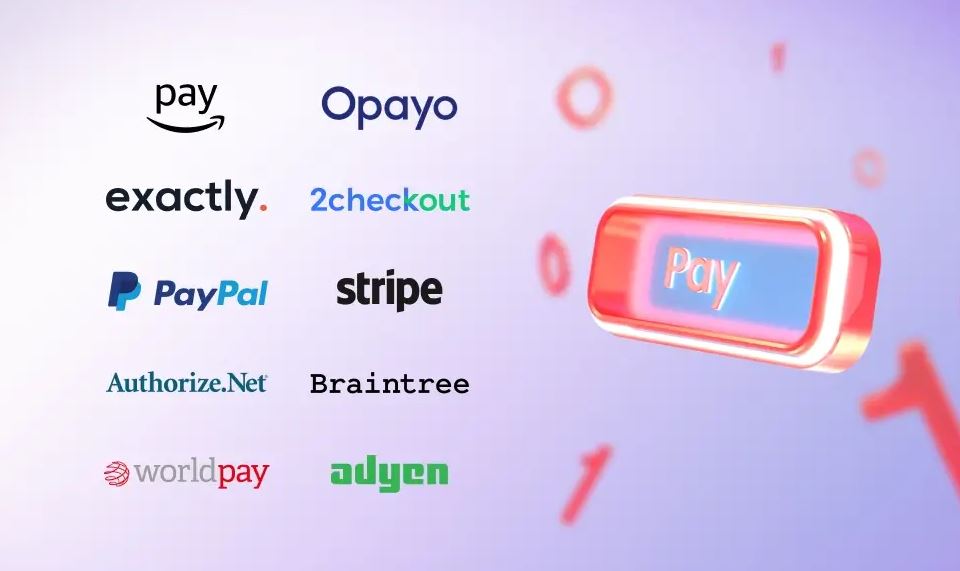
The absence of PayPal and Stripe creates even larger constraints. PayPal is essential for freelancers who work with clients abroad, while Stripe is the foundation for subscription products, online stores, and software sales worldwide. Without these platforms, many young Bangladeshis simply cannot launch globally scalable ideas. They have the skills, the creativity, and the ambition, but the payment infrastructure limits how far they can go.




Mobile financial services grew strongly in 2024. Customer transactions through MFS reached about Tk 17.37 lakh crore in 2024, up from Tk 13.52 lakh crore in 2023, an increase of roughly 28% year on year. Average daily MFS transaction value reported by the central bank has been sizable, showing how much routine commerce now flows digitally.
Formal digital rails are also seeing growth. Bangladesh Bank data show rising volumes across BD RTGS, the national payment switch, and interoperable platforms, and the share of digital transactions of all retail payments rose between late 2023 and mid-2024. At the same time, according to a Bangladesh Bank report, agent banking outlets expanded with nearly 16 thousand agents and roughly 21 to 22 thousand outlets by mid-2024, supporting account access beyond urban branches.
Because global gateways do not operate in Bangladesh, many entrepreneurs turn to external service providers to open UK or US based virtual bank accounts. While these accounts give access to broader payment networks, the costs are significant for students or early-stage founders. Many of these services also require repeated identity verification, added fees, and compliance checks that slow down earnings. Instead of focusing on innovation, entrepreneurs spend time navigating financial hurdles.
This creates a gap between skill and opportunity. Young Bangladeshis possess strong digital capabilities, but the absence of global payment infrastructure limits their ability to expand beyond domestic customers.
Bangladesh has already laid a strong foundation for domestic digital payments. The next phase will naturally involve opening the door to smoother global transactions, especially for youth who are trying to build internationally relevant ventures. Many early-stage founders still experience delays, inconsistent documentation requirements, and uncertainty when receiving payments from abroad. A more coordinated effort among financial institutions, clearer guidance, and predictable onboarding for global gateways could create a more supportive environment. With better policy direction and active collaboration between regulators and the private sector, Bangladesh can ensure that its young entrepreneurs are not only using digital tools but also fully participating in global commerce.
The path to a cashless Bangladesh is promising, but its success will depend on whether young entrepreneurs can access the global financial system with ease and confidence. With the right policies and an open financial environment, Bangladesh can empower its youth to participate fully in the global digital economy and transform potential into lasting economic impact.
The writer is the former president of NSU YES! and Management Trainee at IPDC Finance PLC