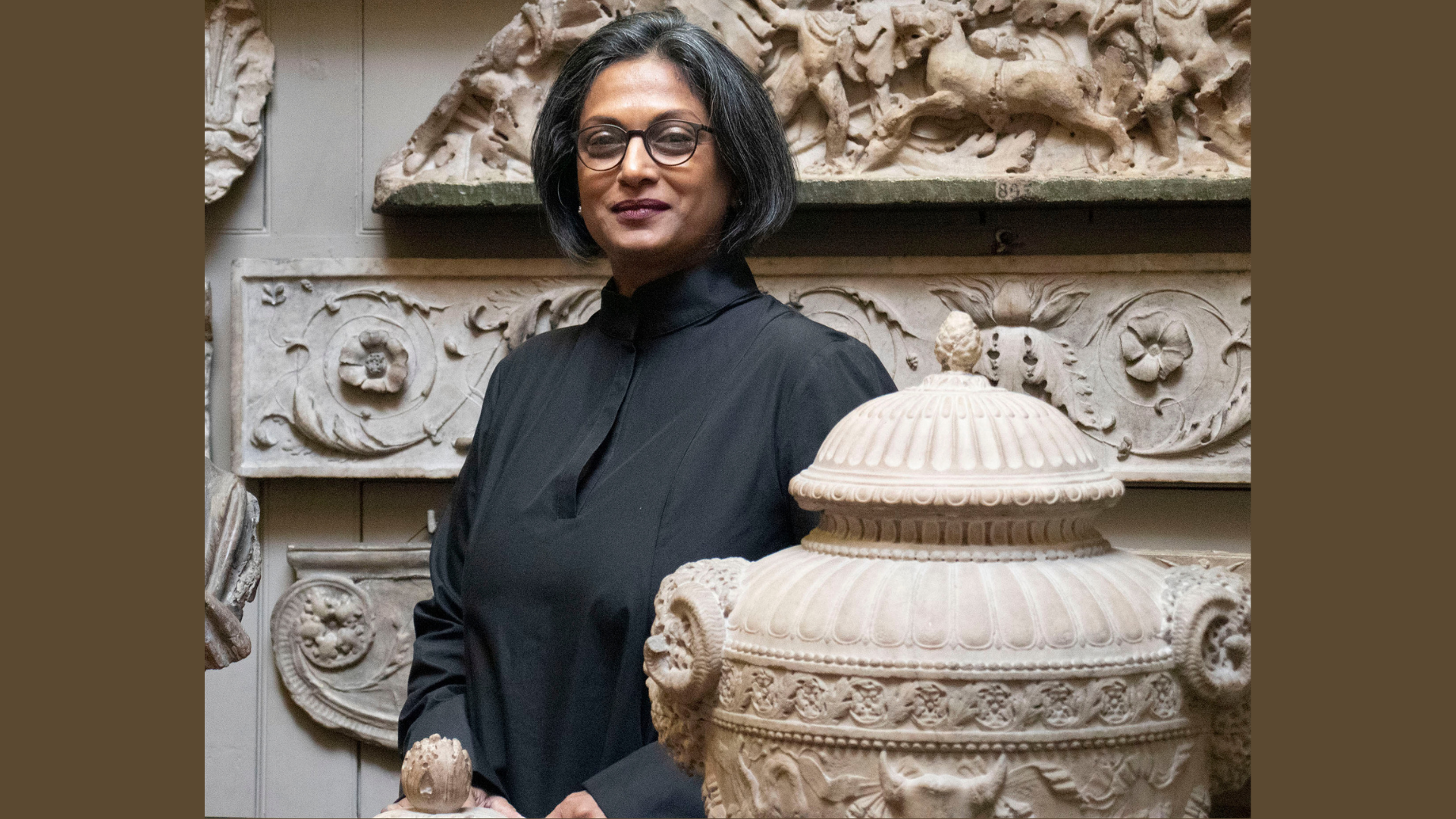

Marina Tabassum, a Dhaka-born architect, has spent decades reshaping what sustainable design means in Bangladesh and beyond. In 2024, her groundbreaking work earned her a place on Time magazine’s list of the 100 Most Influential People in the World.
For more than twenty years, she has been tackling Bangladesh’s pressing challenges of climate change and displacement. Tabassum is creating buildings that respect local traditions while meeting the real needs of the communities who live in them.
Her work has earned international acclaim. She won the Aga Khan Award for Architecture in 2016 for Dhaka’s Bait-ur-Rouf Mosque and again in 2025 for Khudi Bari, a modular shelter that has transformed how displaced communities live. She has also received an Honorary Doctorate from the Technical University of Munich and the Arnold Brunner Memorial Prize from the American Academy of Arts and Letters.

Her philosophy stems from the conviction that architecture ought to benefit communities, particularly the most marginalised ones. She has been inspired by this belief to rethink how design can offer resilience, safety, and dignity in the face of environmental disasters.




Bangladesh, crisscrossed by nearly 1,500 rivers, is as vulnerable as it is beautiful. Floods and erosion regularly wash away homes along the riverbanks, leaving families with nothing. In response, Tabassum designed Khudi Bari. Its impact extends beyond rural riverbanks; the system has been adapted to build larger structures in the Rohingya refugee camps of Cox’s Bazar.
Built with steel joints and structural bamboo, Khudi Bari can be assembled or dismantled quickly, allowing families to move to safer ground during floods. Its two-story design maximises limited space and shields inhabitants from rising waters. Beyond practicality, it honours Bangladeshi culture, using local materials to reduce costs and minimise environmental impact.
While Khudi Bari has garnered international acclaim, it is only one facet of Tabassum’s extraordinary career. She has devoted herself to teaching in addition to her practice, helping to shape the next generation of architects at BRAC University, the Bengal Institute, Harvard Graduate School of Design, the University of Texas, and, most recently, Delft University of Technology, where she is a Professor of Architectural Design for Climate Adaptation.
In one of the world’s most climate-vulnerable nations, this brilliant architect reminds us that architecture is about people, not just structures. Through Khudi Bari, she demonstrates that thoughtful design can be simple, affordable, and profoundly humane, offering displaced families both dignity and a safe place to call home.