


The United States military has tightened its naval blockade of Iran, issuing a stern warning that vessels receiving Iranian cargo through ship-to-ship transfers will face direct military action.
In an advisory issued this week, US Central Command (CENTCOM) declared that ships taking on cargo loaded at Iranian ports or along the country’s coastline could be considered to be evading the blockade, even if those vessels have not entered Iranian territorial waters.
Military officials cautioned that non-compliant vessels may be stopped, boarded, diverted, captured, or directed to return to the Iranian port of origin, with force authorised if necessary, according to an Al Jazeera explainer.
This latest directive aims to close a critical offshore transfer loophole that has enabled Iranian petroleum products to reach foreign markets despite the blockade on Iranian ports and oil exports.
Closing the offshore transfer loophole
Washington initially established the blockade on 13 April, temporarily lifting it in June following an understanding with Tehran, before reinstating the measures on 14 July after the agreement collapsed.
The military action forms part of a broader policy following recent Iranian attacks on Gulf states, particularly Bahrain, as Washington seeks to pressure Tehran without triggering another major kinetic escalation.

Rob Geist Pinfold, lecturer in international security at King’s College London, noted that the US strategy relies on economic isolation rather than open military campaigns to force Tehran to the negotiating table.
The blockade is already inflicting severe damage on Iran’s economy, where oil accounts for approximately 30 per cent of national output, driving speculation that Iranian crude exports could soon drop to zero.
Tehran’s defiant response, regional threats
Although official Iranian authorities have not issued a formal response to the CENTCOM announcement, Tehran has repeatedly warned against American restrictions on its maritime trade.




A commentary published on Wednesday by Fars News Agency, a semi-official state outlet, proposed sending a convoy of oil tankers to break through the naval blockade.
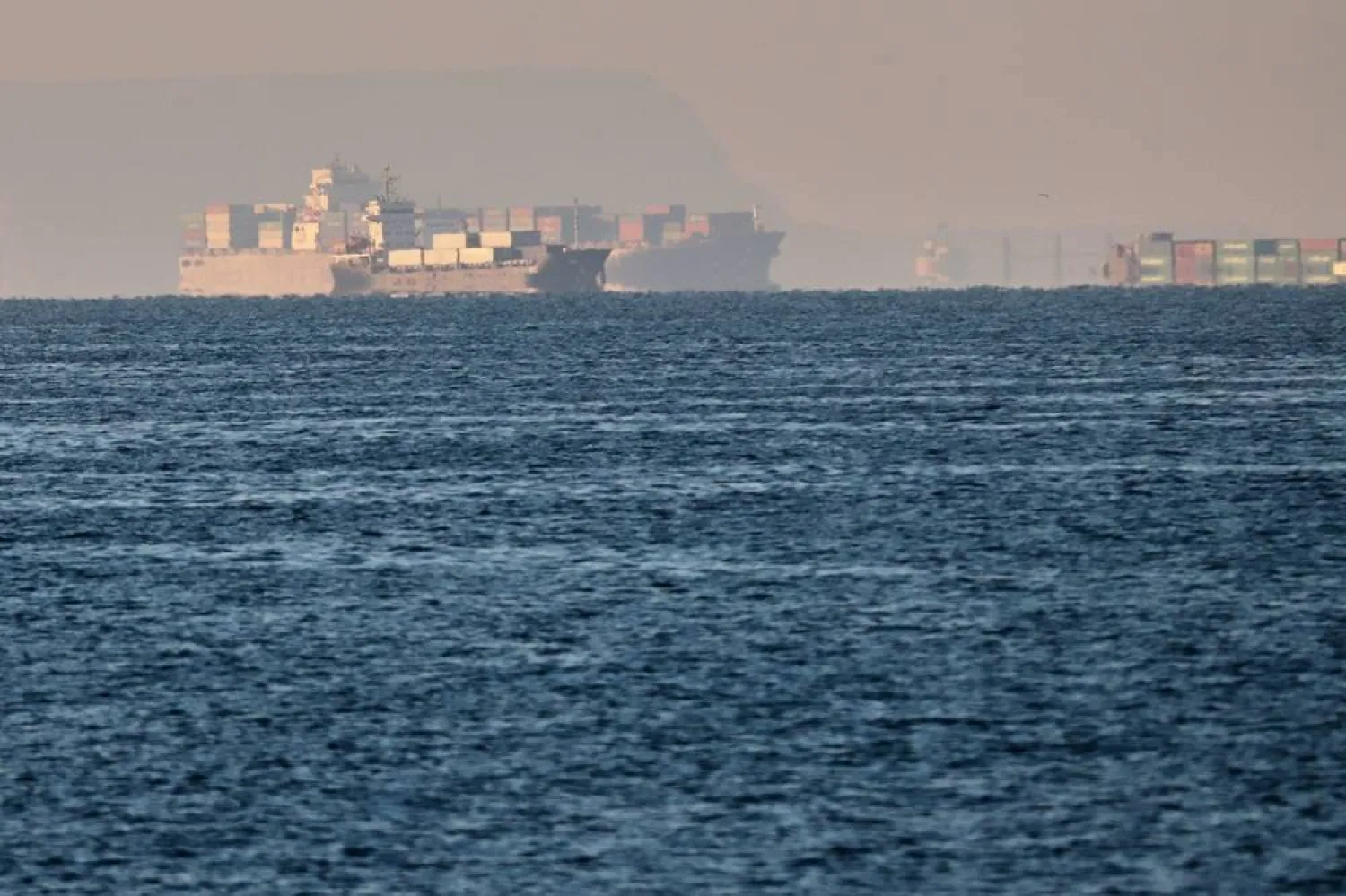
The publication warned that any military intervention against Iranian vessels could prompt retaliatory strikes on regional energy infrastructure, making specific reference to energy assets in the United Arab Emirates.
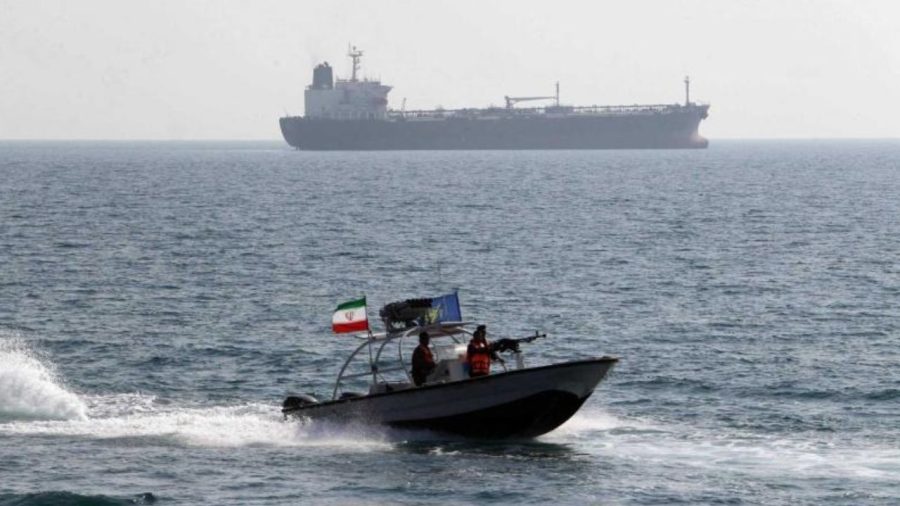
Moreover, Hossein Mohebi, a brigadier general and spokesman for the Islamic Revolutionary Guard Corps (IRGC), dismissed Washington’s ability to maintain a comprehensive blockade and warned that Iran would strike back harder if its ships were targeted.
Iranian naval forces have previously engaged in skirmishes, and US forces recently bombed a cargo vessel in the Gulf of Oman accused of attempting to run the blockade.
Escalation risks, maritime chokepoints
Despite the restrictions, Iran has managed to bypass components of the blockade, though restoring large-scale crude shipments remains a formidable challenge.
Prior to the outbreak of the US-Israel war on Iran in February, Tehran exported between 1.5 million and 2 million barrels of crude oil daily, with China serving as the primary buyer.
Between July and October, at least eight tankers carrying Iranian liquefied petroleum gas (LPG) departed from the Gulf of Oman, whilst another vessel delivered jet fuel to Myanmar in September.

More recently, Reuters cited monitoring service TankerTrackers.com indicating that a vessel loaded Iranian crude via a ship-to-ship transfer in the Gulf, marking what could be the first successful crude transfer since July if the cargo reaches its destination.
However, analysts emphasise that Iran lacks the naval capacity to break the American blockade through direct force.
Andreas Krieg, associate professor in security studies at King’s College London, explained that while Washington holds overwhelming naval superiority, monitoring every intermediary vessel and offshore transfer poses immense operational complexity.
Krieg warned that attempts by Tehran to challenge US naval forces could be intended to make blockade enforcement politically and economically unsustainable for Washington.
Such a confrontation risks escalating into a wider regional conflict, particularly given the strategic importance of the Strait of Hormuz – which handles 20 per cent of world oil exports and a fifth of global liquefied natural gas – and the Bab el-Mandeb, which carries 5 per cent of global energy traffic.
While both nations may prefer a diplomatic settlement, the growing economic strain could incentivise Iran to risk military confrontation rather than absorb mounting financial losses.