


The electoral map of the United States underwent a seismic shift on Tuesday night as voters across the country delivered a decisive verdict on the political landscape.
In an historic sweep, Democrats reclaimed majority control of both the House of Representatives and the US Senate, making the 2026 midterm elections only the third cycle in the last 50 years where both chambers of Congress flipped in a single night.
However, beyond the raw tally of legislative seats, the election unfolded as a night of broken barriers, establishing new milestones of representation from the Deep South to the American West.
The starkest breakthrough occurred in Georgia, where former Atlanta Mayor Keisha Lance Bottoms was elected governor, becoming the first Black woman in US history to hold a state’s highest executive office.
Her win also flipped the Georgia governorship to Democrats for the first time since 1998.
Prior to this election, only three black candidates had ever won a gubernatorial race in the nation’s history.

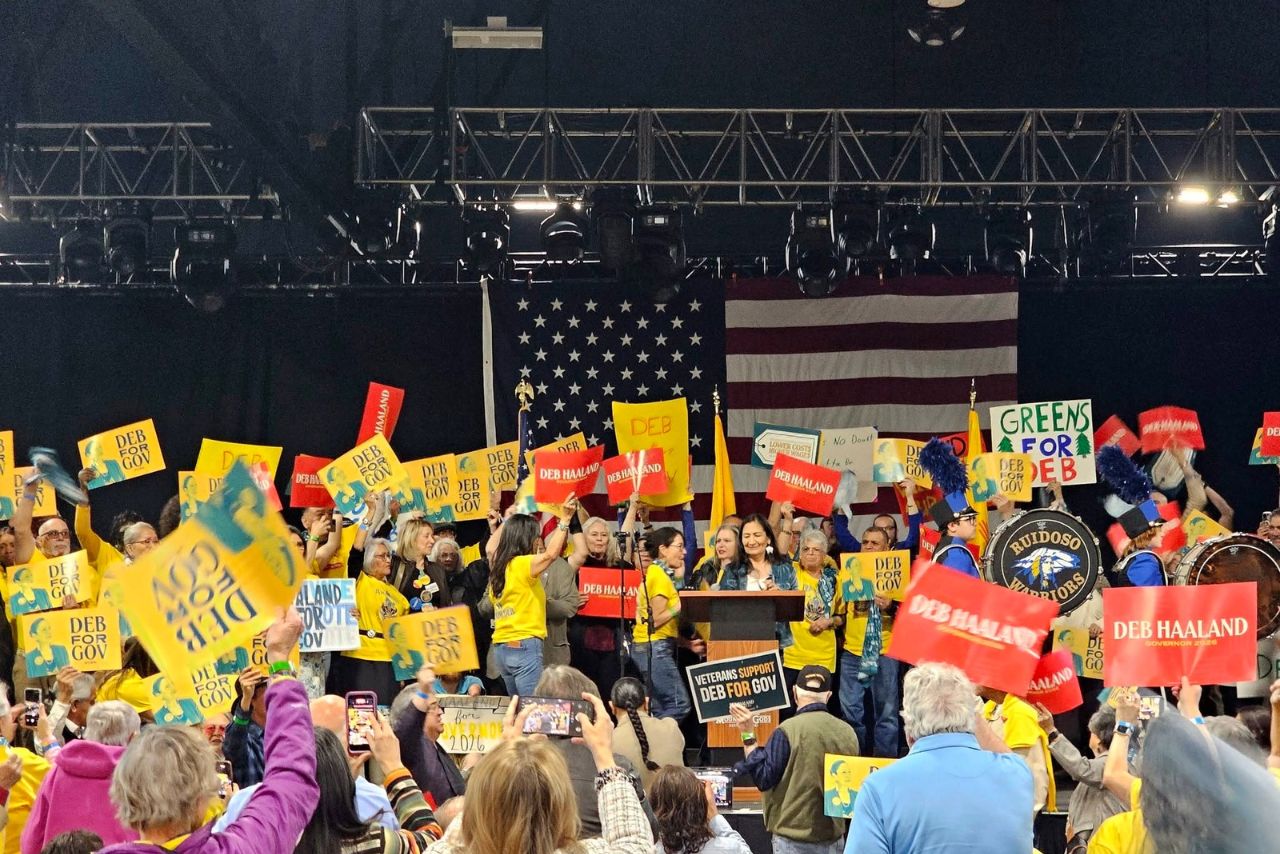
In New Mexico, Deb Haaland marked another historic milestone by becoming the first Native American woman elected governor, addressing supporters during what she noted was the nation’s 250th anniversary year.
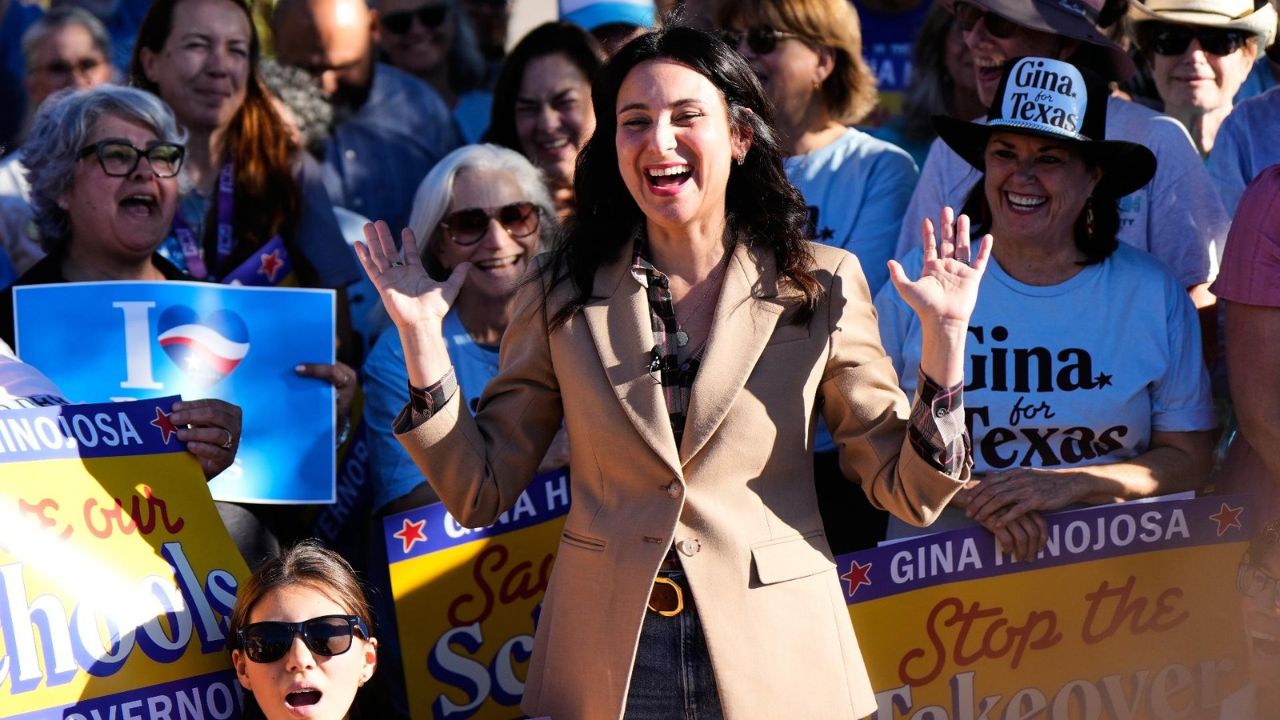
Texas yielded one of the evening’s most significant political realignments. Democrat Gina Hinojosa defeated three-term Republican Governor Greg Abbott to become the state’s first Latina governor.
Coupled with a broader shift in statewide voting, Hinojosa’s win marked the first time Democrats secured statewide executive office in Texas since 1994, a truly historic achievement.



The Senate battleground also produced notable shifts in traditional party strongholds.
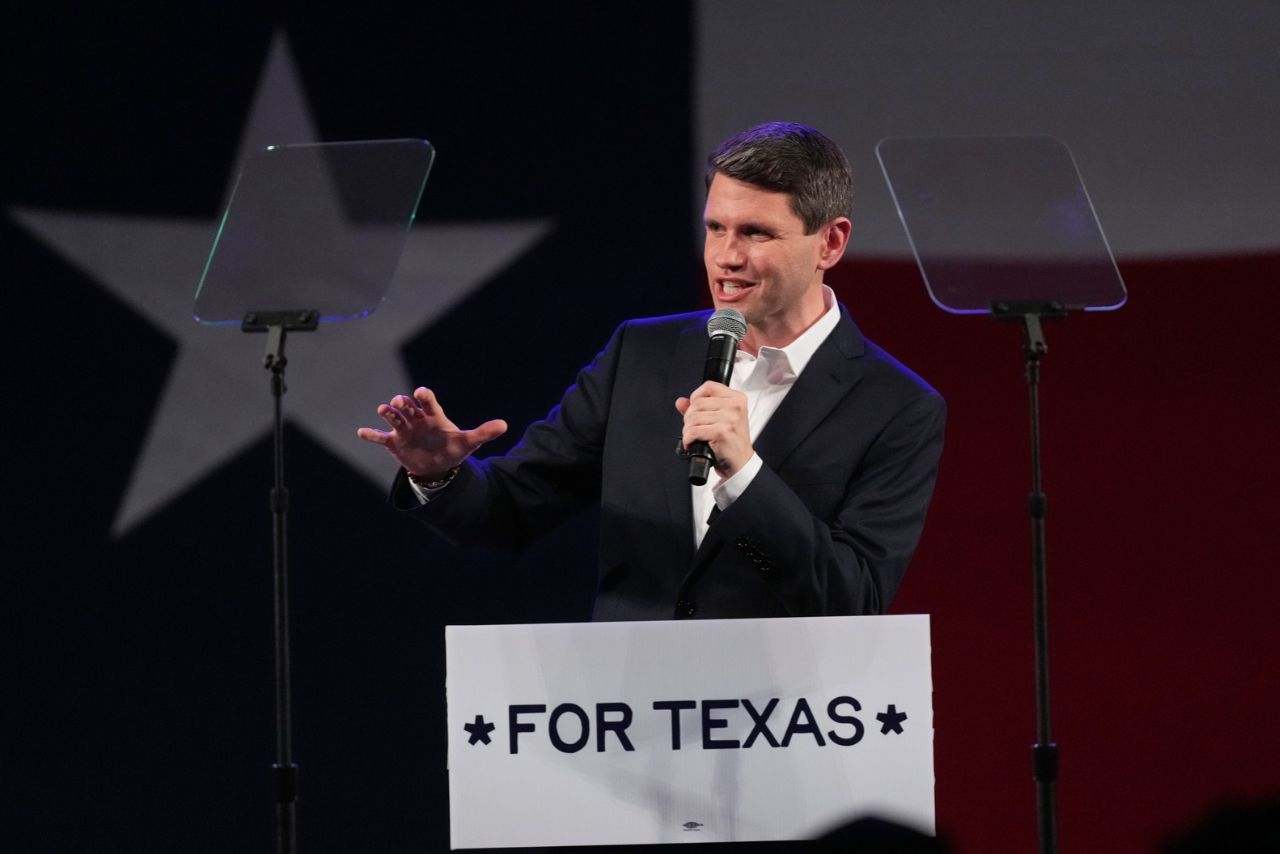
In Texas, Democrat James Talarico defeated Republican incumbent Ken Paxton, becoming Texas’s first elected Democratic senator since 1988.
In the same vein, in Kansas, Democrat Adam Hamilton won the state’s Senate race, securing the party’s first Senate victory in Kansas since 1932.
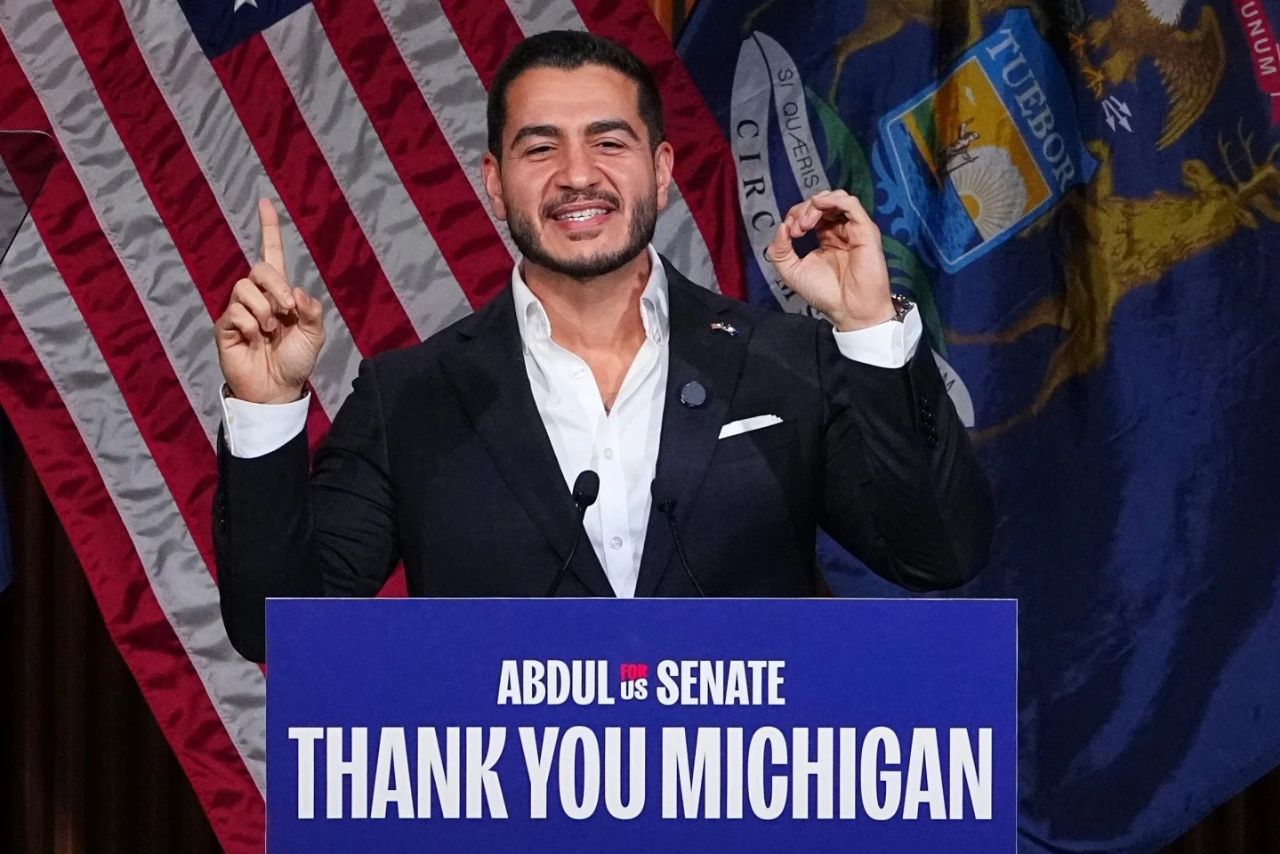
In perhaps the midterm’s most hyped, controversial, and climactic showdowns, Abdul El-Sayed won to become the first Muslim elected to the US Senate, having overcome what many have characterised as blatant Islamophobic attacks.
However, milestones were also recorded across party lines. In Florida, Republican Byron Donalds was elected as the state’s first black governor.
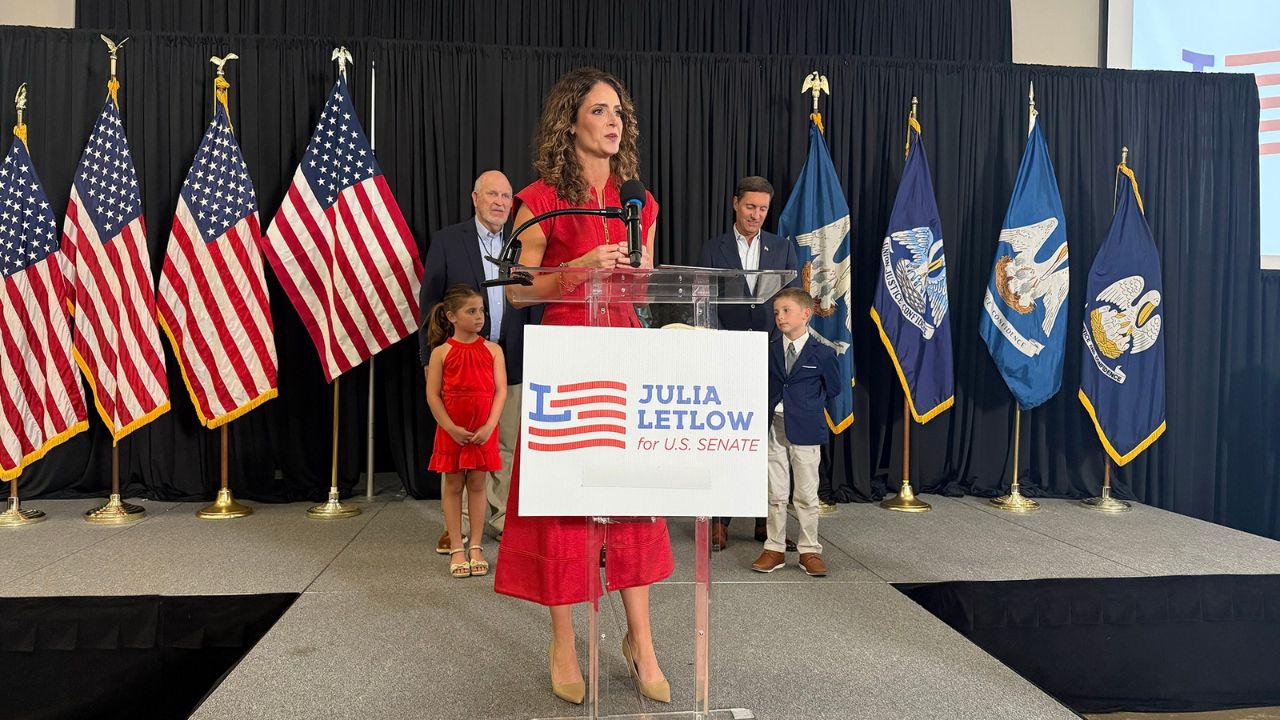
In Louisiana, Julia Letlow became the first Republican woman elected to represent the state in the US Senate.
In the House of Representatives, New Jersey elected Adam Hamawy, the state’s first Muslim member of Congress, while Michigan elected Jeremy Moss as its first openly gay member of Congress.

Addressing reporters following the results, President Donald Trump acknowledged the Democratic gains, citing international tensions and inflation as factors influencing voter sentiment, while asserting that his administration’s broader policy record remains sound.
In a phone interview with Fox News following the loss, President Donald Trump offered a rare compliment to his rivals, saying, “The Democrats did a good job. They fought hard,” and added that he was “absolutely willing” to accept the election results.
However, he strongly rejected the notion that the midterms served as a personal rebuke.
To signal his posture toward an incoming Democratic-led Congress, Trump posted an image of his signature red cap emblazoned with the word “VETO”, reminding reporters that he holds a strong presidential veto to block congressional oversight and opposition legislation.
“The Democrats did a good job… but I wasn’t on the ballot. If I was, we would have won IN A LANDSLIDE,” wrote POTUS on TruthSocial.
With final vote tabulations continuing in select uncalled contests (including Alaska’s Senate race featuring Mary Peltola), attention now turns to Capitol Hill, where the newly elected 120th US Congress will convene this January to navigate a newly divided Washington.