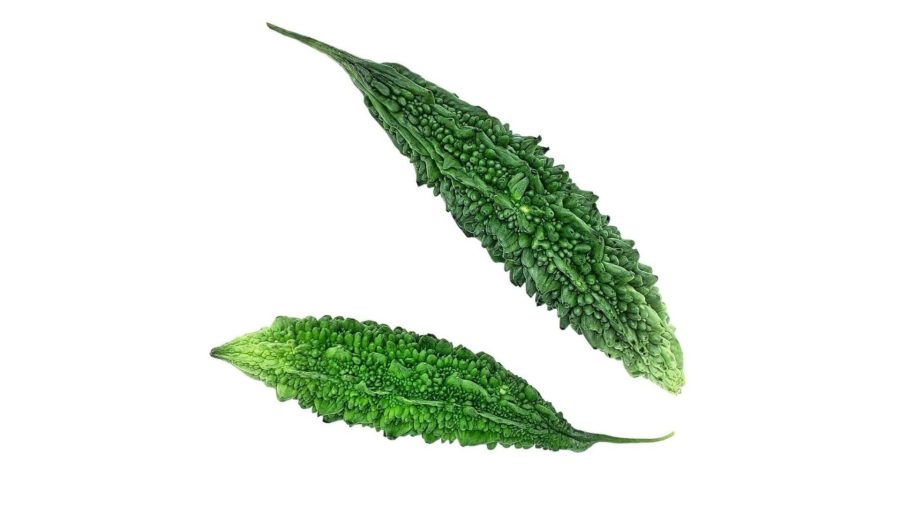



Few vegetables divide opinion like bitter gourd. Its rough, ridged skin and unmistakably bitter taste can make it an acquired taste, yet across generations, the vegetable has also been valued as traditional medicine.
Known scientifically as Momordica charantia, bitter gourd belongs to the cucumber and melon family. Its history is older than its modern reputation as a diabetes-friendly food. Genetic research suggests the plant originated in Africa and later spread to Asia, where it was domesticated over a long period. Written Sanskrit records mention bitter gourd in Indo-Aryan culture as far back as 2,000 to 200 BC.
From South Asia, the plant became deeply rooted in regional food and traditional medicine. It eventually travelled far beyond the subcontinent, reaching Southeast and East Asia and later tropical regions of Africa, the Caribbean and the Americas. Today, it is cultivated across much of the tropical and subtropical world, where it appears under different names, including bitter melon, balsam pear and karela.

Its journey was helped by its versatility. The young green fruit can be cooked as a vegetable, while different parts of the plant have been used traditionally in herbal preparations. In Ayurveda and other traditional medical systems, bitter gourd has been used as a rememdy against conditions ranging from digestive problems to liver disorders and diabetes.
Bitter gourd has long been valued in traditional medicine for its potential health benefits. One of its best-known uses is in supporting blood sugar control. The fruit contains compounds such as charantin and a plant protein called polypeptide-p, which have been studied for their ability to influence glucose metabolism and insulin activity.




It is also naturally rich in vitamin C, folate and other antioxidants. These compounds help protect cells from oxidative stress, which occurs when harmful molecules build up in the body. Its antioxidant content may therefore support the body’s natural defence systems.
The vegetable is also a source of fibre, making it useful for digestion and gut health. Fibre can help promote regular bowel movements, support healthy gut bacteria and slow the absorption of carbohydrates after meals.
Traditional medicine has also used bitter gourd to support liver health and digestion. Its bitter compounds are believed to stimulate digestive processes, while its high water content makes the vegetable a light and hydrating addition to meals.
For generations, bitter gourd has therefore occupied an unusual place in the kitchen: it is both food and folk remedy. Its bitterness may be the first thing people notice, but behind that sharp taste lies a vegetable containing fibre, vitamins, antioxidants and a range of plant compounds that continue to attract scientific interest.