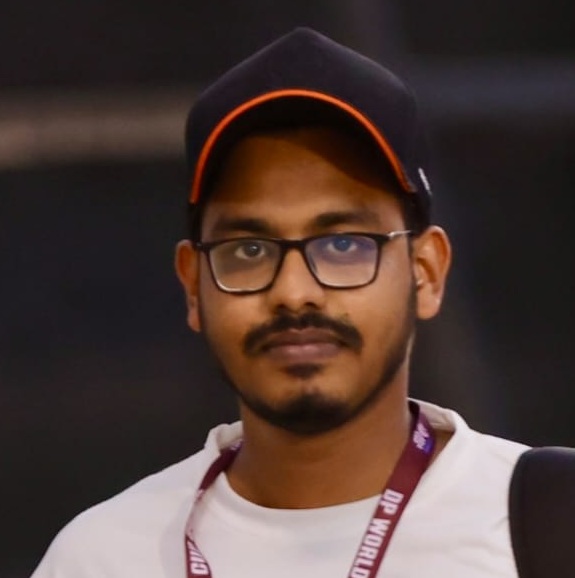




In 2020, a Bangladeshi athlete was named among the world’s best young players. Coming off a dream 2019 season with his bow and arrow, archer Ruman Sana, 25, was reaching his peak. Being shortlisted among World Archery’s top young talents was supposed to be just the beginning.
Sana competed in a sport with almost no national following—a reality shared by most discipline-based federations and associations in Bangladesh. Beyond cricket and football, sports like archery, shooting, boxing, and swimming are consistently overlooked by the general public and mainstream media.
A sudden success story like Sana’s would be temporarily highlighted and celebrated, but as soon as the hype faded, so did the athlete and the sport.
After winning gold at the Asia Cup and bronze at the World Championships, Sana became the darling of both the public and the press. Almost overnight, archery was one of the most sought-after sports in the country.
Fast forward four years to 2024: Sana had not only left the sport but had also migrated to the US in search of a better future alongside his wife, Diya Siddique—herself one of the country’s top archers.
Sana’s story is not an isolated one. Sudden surges of hype have surrounded countless athletes over the last two decades. Those competing in ‘unconventional’ sports—essentially anything other than cricket or football—frequently fall by the wayside or fade into oblivion.
Swimmer Ariful Islam is another prime example. Once considered the country’s most promising young swimmer, Ariful retired from competitive sports in 2022 at just 22 years old to work as a coach in France.
For both Sana and Ariful, the decision to leave came down to security—not just financial stability, but the absence of a sustainable sporting ecosystem that would allow them to thrive and achieve lasting success.

In Bangladesh, sporting success often arrives in flashes. Cricket has shown what is possible when talent is backed by stronger infrastructure, investment, and sustained attention. Elsewhere, an archer wins a medal, a shooter makes a breakthrough, or a football team produces a memorable result, briefly shifting the spotlight toward them. Then, more often than not, everything returns to where it was: oblivion.
Bangladesh has no shortage of talent. But cases like Sana and Ariful raise the fundamental question: Is the sports sector truly developing, or is it simply producing occasional successes despite a system riddled with loopholes? From funding and facilities to coaching, competition, and the politicisation of sports federations, the broader challenge is whether Bangladesh can build a framework capable of turning raw talent into sustained achievement.
Cricket is perhaps the only sport in Bangladesh backed by a relatively established system. Yet even that system has severe gaps. In recent years, a number of promising players have emerged through the age-group structure, only to disappear before reaching the top level due to intense competition, personal issues, and gaps in continued development.
Players such as Shawon Gazi and Qazi Onik Islam have fallen out of the system entirely, while Abhishek Das Aronno—the pace sensation from Bangladesh’s Under-19 World Cup-winning team—has been sidelined for four years due to injury. Sources indicate that delays in initiating his medical treatment prolonged his absence.
Addressing why so many promising prospects drop out, Bangladesh Cricket Board chief selector Habibul Bashar believes the transition out of age-group cricket remains the primary hurdle.




“Around 50 percent of Under-19 players fail to continue their development after age-group cricket. Unlike India and Australia, Bangladesh lacks year-round state-level programmes and facilities. The new Under-23 programme is expected to help bridge that gap,” Bashar told TIMES of Bangladesh.
In football, fan passion is undeniable. The arrival of diaspora stars like Hamza Choudhury and Shamit Shome has turned national team matches into high-demand events, with tickets selling out within minutes, ticketing platforms crashing under load, and scalpers reselling tickets on the black market at inflated prices.
Yet that enthusiasm rarely transfers to the domestic league. Beneath the high-profile hype lies a fragile structure that leaves stadiums empty and pushes even contracted, allowance-earning internationals toward unauthorized local matches (khep khela). Scheduling chaos, unresolved FIFA sanctions, administrative negligence, and clubs failing to pay agreed-upon salaries have created a deep divide between national team popularity and domestic stability.
The disconnect is starkly visible in the stands.
“Fans need clubs to support. Mohammedan, Abahani, Bashundhara and Fortis all have a following. But you must build the environment first, the stadium, the gallery, before that generation comes back,” former national captain Mamunul Islam told TIMES.
On the field, financial insecurity remains a driving force behind player behaviour. Despite receiving government sports cards for monthly allowances—which officials argue should eliminate the need for exhibition games—national team footballers continue to play off-the-books matches.
While former captain Zahid Hasan Emely notes that national players enjoy greater financial stability than lower-tier peers, active players describe a much harsher reality.
“Clubs are not in a financially sound position right now. In almost every season, most players do not receive their salaries as agreed,” one footballer said on condition of anonymity, adding that requests to play in his home district are often difficult to refuse.
Beyond cricket and football, federations operate on razor-thin budgets despite regularly competing internationally. Critics argue that expanding tournament participation yields little value without the resources to nurture talent over the long term.
Mohammad Salauddin Ahammed, General Secretary of the Bangladesh Handball Federation, noted that his organization is prioritizing quality over sheer volume. For upcoming school tournaments, the federation plans to cap the number of participating teams to guarantee better facilities for those involved.
“Budget is an issue for all federations, but with proper planning, we can reduce the gap,” Salauddin said.
Archery presents another clear case of international success achieved without sustained institutional backing. Archers like Sagor Islam and Abdur Rahman Alif, alongside Sana and Diya, have delivered notable international results, yet the sport largely operates out of the mainstream media spotlight.
Kazi Rajib Uddin Ahmed Chapol, President of the Bangladesh Archery Federation and World Archery Asia, believes the tide is turning. Following a recent initiative led by Prime Minister Tarique Rahman and State Minister for Sports Aminul Haque, top archers are now receiving performance-based monthly salaries.
“It’s a motivation for them. I think the will to do better will increase,” Chapol said, adding that archery remains one of the country’s most consistent sports internationally. “We have a good pipeline, and we are making the pipeline even stronger.”
In hockey—traditionally a quieter sector of Bangladesh’s sporting landscape—there are signs of renewed focus under new leadership, particularly within the junior setup.
However, Ishtiaque Sadeque, the new General Secretary of the Bangladesh Hockey Federation, stresses that the current infrastructure is wholly inadequate. Despite the sport’s widespread popularity, Bangladesh possesses only three to five regulation turfs nationwide.
“Hockey’s infrastructure remains poor despite its popularity across Bangladesh. Long-term success will require stronger infrastructure and a wider grassroots programme,” Sadeque said.
He identified funding deficits and a historic lack of strategic vision as hockey’s greatest obstacles, pointing out that successive federation officials failed to establish clear short-, medium-, or long-term roadmaps. To move forward, he argues, Bangladesh must decentralize from its BKSP-centric model and integrate hockey directly into school systems across the country.
While leaders like Sadeque push for structural reform, the broader picture across Bangladeshi sports remains unchanged. Talent routinely emerges and fleeting victories follow, but systemic gaps in funding, facilities, and regular competition continue to prevent success from becoming sustainable.