Just ten days before Mexico City is set to host one of football’s biggest global spectacles, the streets around its historic heart turned into a flashpoint between labour anger and state security.
A teachers’ protest led by the CNTE union, numbering thousands of participants, ended in confrontation with riot police near the Zócalo, the vast central square now being transformed into a World Cup fan zone.
The march began early from Paseo de la Reforma, swelling as contingents from different states joined. By the time it reached the city centre, tensions were already high.
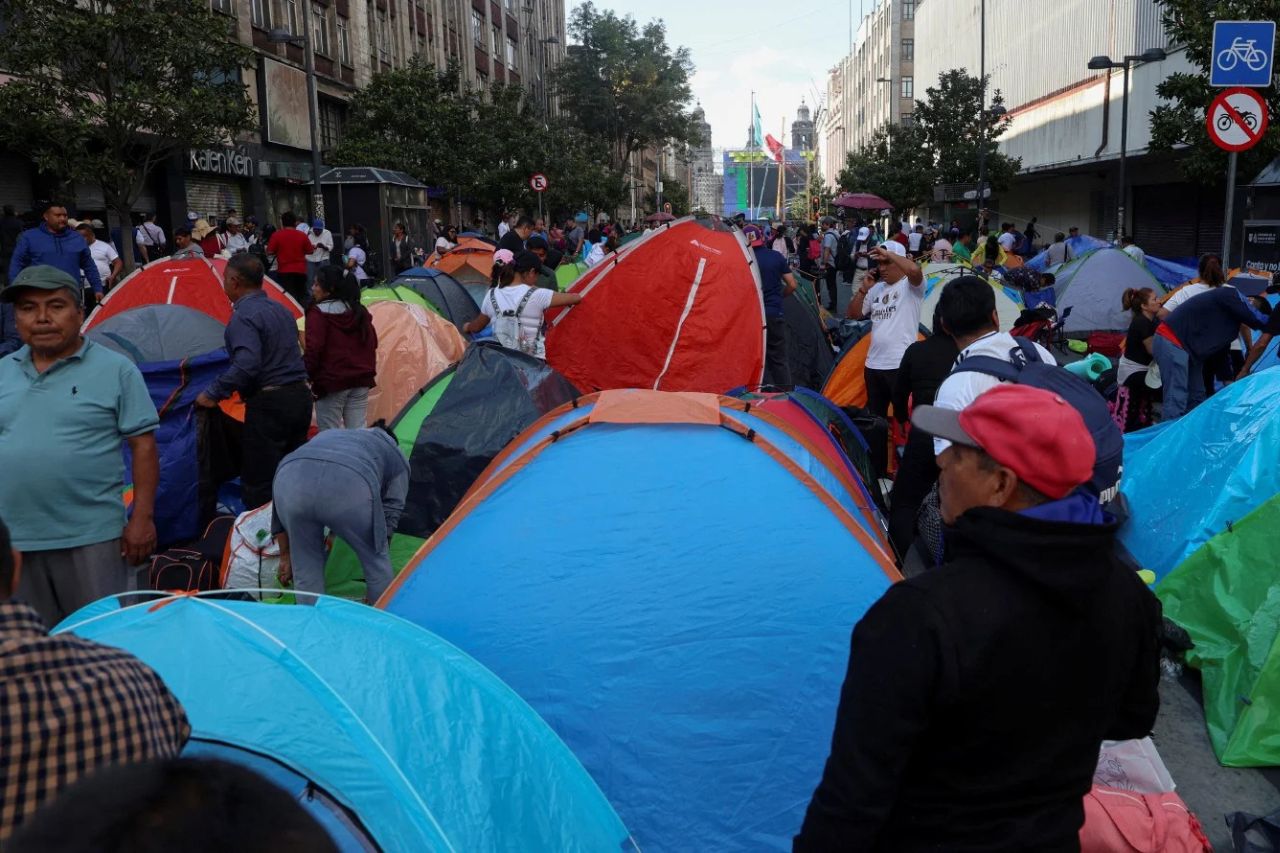
The government had sealed access to the Zócalo with metal barricades and deployed hundreds of police officers to secure the area, where a “Fan Fest” is under construction ahead of the June 11, 2026 opening match.

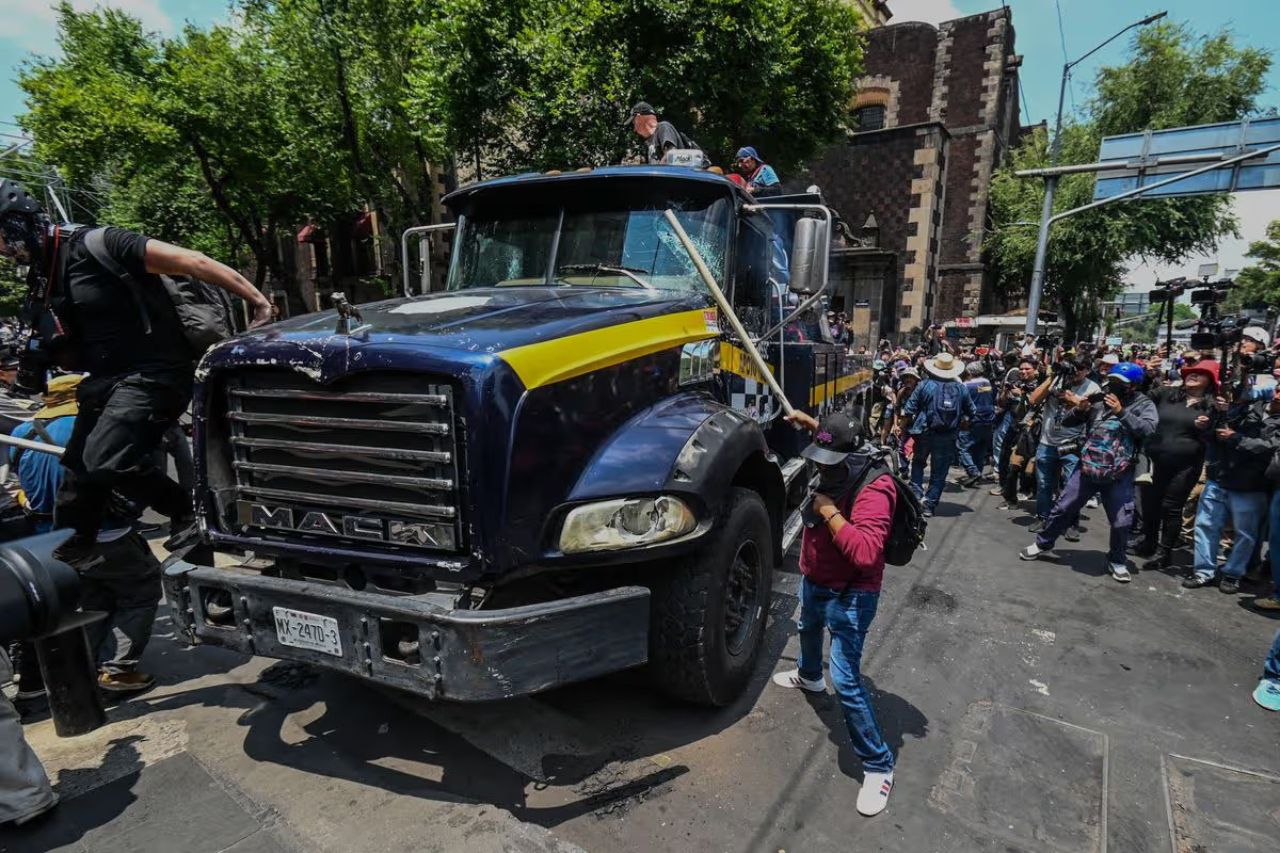
As protesters attempted to push through barriers roughly a block from the square, police responded with tear gas, dispersing crowds and forcing demonstrators back into surrounding streets.
At least two teachers were reported injured, with unions accusing authorities of using excessive force, including claims of projectiles and gas. Officials have disputed aspects of those allegations.




The teachers’ demands are longstanding: higher wages, improved working conditions, and the reversal of pension reforms they argue have weakened long-term security.
Some factions are now calling for salary increases of up to 100%, even as the government points to a recent 9% wage adjustment as evidence of ongoing dialogue.
But the timing of the protest has turned it into something larger than a labour dispute.
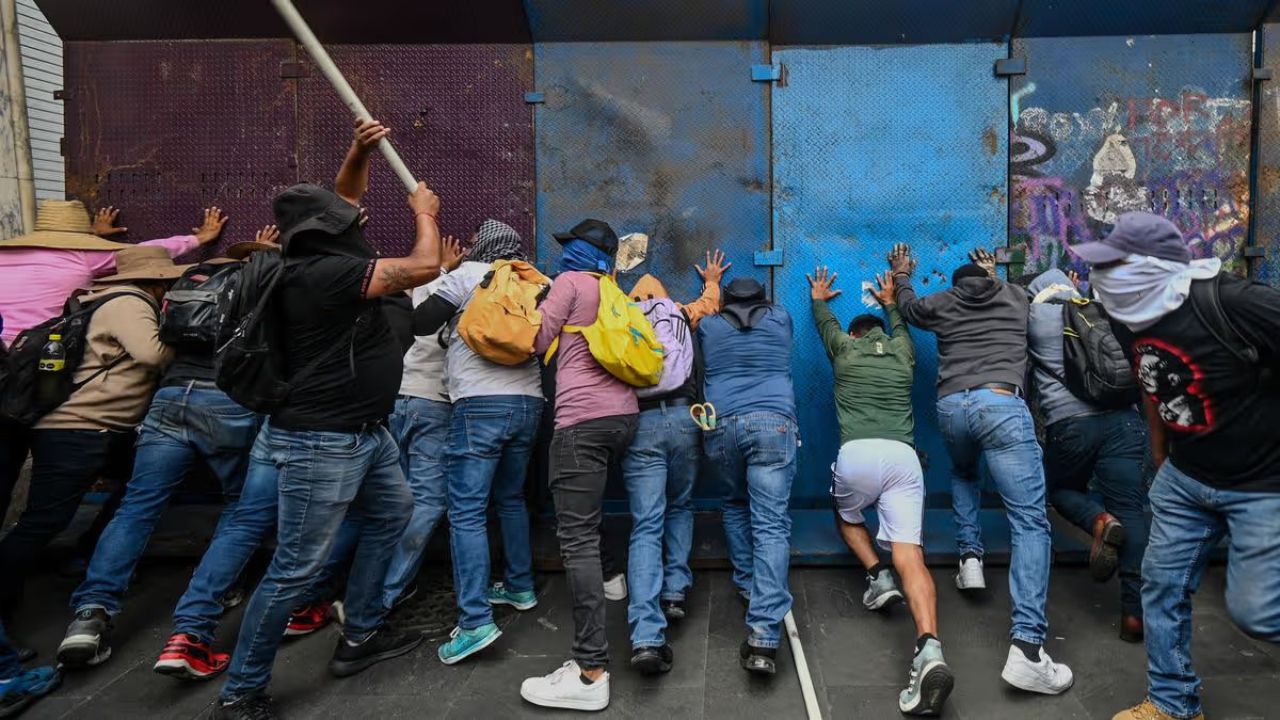
With Mexico preparing to host millions of visitors and global television audiences, the Zócalo has become both symbol and battleground between a state focused on image management and unions determined to reclaim visibility.
Union leaders have warned that protests could escalate into a broader strike during the tournament period if demands remain unmet.
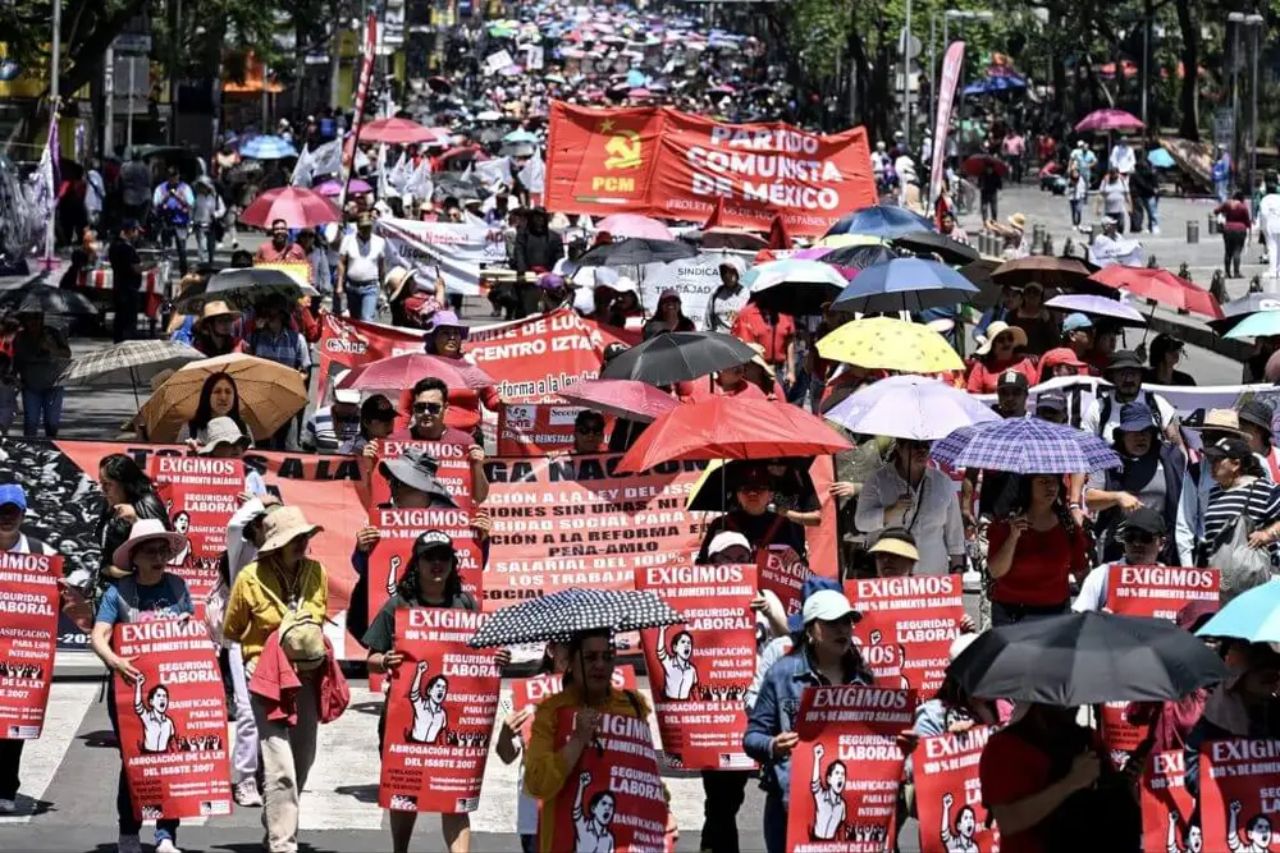
Authorities, meanwhile, insist security measures are necessary to protect public spaces under heavy international scrutiny.
As Mexico moves toward the global spotlight, the confrontation underscored a recurring tension: the effort to stage order for the world, and the struggle to be heard within it.