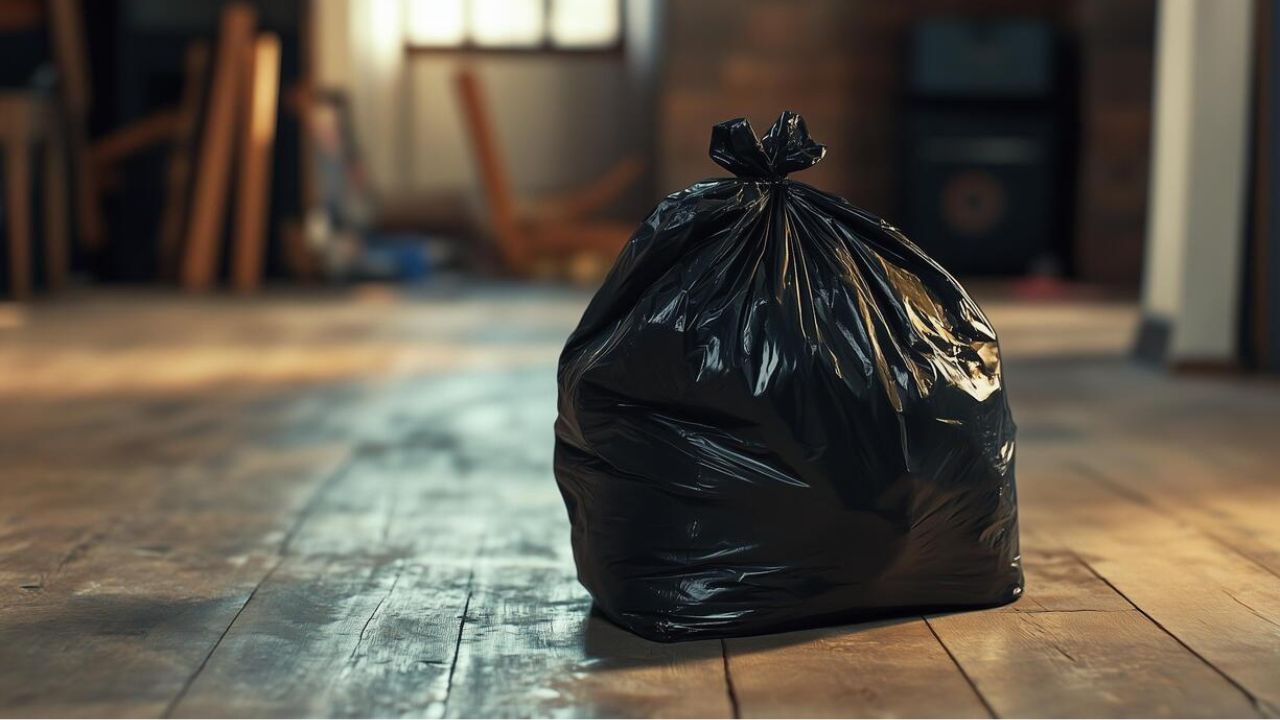



Of the 90,000 tonnes of household waste generated across Bangladesh every day, only 45 to 60 per cent is collected, leaving the rest scattered in different areas, a discussion in the capital was told.
In major cities alone, around 36,000 to 45,000 tonnes of waste are dumped indiscriminately every day, fuelling environmental pollution. The collection rate is even lower at district and upazila levels.
The information was revealed at a seminar titled ‘Municipal Solid Waste Management in Bangladesh: Challenges and Roadmaps’, organised by the Bangladesh Environmental Lawyers Association (BAPA) at the National Press Club on Sunday.
According to the estimate, the amount of waste remaining outside the management system stands at 1.65 crore tonnes annually. The waste ends up in open spaces, drains, water bodies and uncontrolled dumping sites.

The seminar said that even a large portion of the waste being collected eventually goes to dumping sites instead of being recycled or reprocessed. As a result, waste management in Bangladesh remains largely confined to the cycle of “collection, transportation and dumping”.
Experts said the crisis cannot be resolved by viewing waste merely as something to be discarded. They stressed the need to consider waste as a resource and bring source segregation, recycling, reprocessing and safe disposal under a single framework.




They also called for ensuring coordination, transparency and accountability among institutions involved in waste management.
In the keynote paper, waste management expert Nasir Uddin Khan said, “The main problem with waste management in the country is not a lack of technology, but the absence of a long-term and integrated management framework. Currently, waste management is largely limited to collection, transportation and dumping.”
Saying that uncontrolled dumping and landfills are causing pollution as leachate from waste seeped into the soil, he said, “Methane emissions from waste are contributing to climate change.”
He also highlighted that weak waste management was a major reason behind blocked drains and waterlogging in urban areas.
BAPA General Secretary Md Alamgir Kabir said, “Instead of project-based activities, solutions to waste management problems must be achieved within a specific roadmap and timeframe. In this regard, lessons should also be learned from the experiences of neighbouring countries.”
BAPA Treasurer Aminur Rasul said, “The shortage of designated places for waste disposal is one of the major barriers to effective management. Good initiatives cannot be implemented due to the lack of dumping sites.”
BAPA President Noor Mohammad Talukder said coordination among all relevant institutions, including city corporations and the Department of Environment, was essential for waste management. “Without coordination, meetings and discussions will continue, but no real change will come,” he said.
BAPA Vice-President M Firoz Ahmed said, “Compost produced from waste cannot be used as a complete alternative to chemical fertilisers. However, its organic components play an important role in improving soil quality and supporting plant growth.”