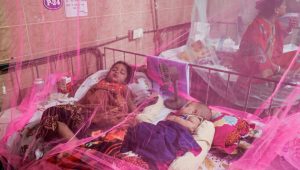
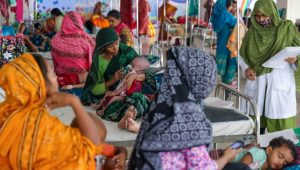
Despite long-term progress in child immunisation in Bangladesh, a significant portion of the population remains outside of protection.
According to UNICEF, around 5 lakh children in the country are not covered by the full vaccination schedule, including at least 70,000 children who have received no vaccines at all.
In a recently published press release, the agency stated that while significant improvements have been made in the decades since the launch of the Expanded Programme on Immunisation (EPI), many “zero-dose” and partially vaccinated children remain.
An estimated 4 lakh children have failed to complete all required doses, indicating a critical gap in the overall immunisation system.

Data indicates that immunisation inequality is relatively higher in urban areas. In cities, only 79 percent of children have completed the full vaccination schedule, 2.4 percent have not received a single dose, and nearly 10 percent have not taken all designated doses.
In contrast, the rate is comparatively better in rural areas, where approximately 85 percent of children have received full immunisation.

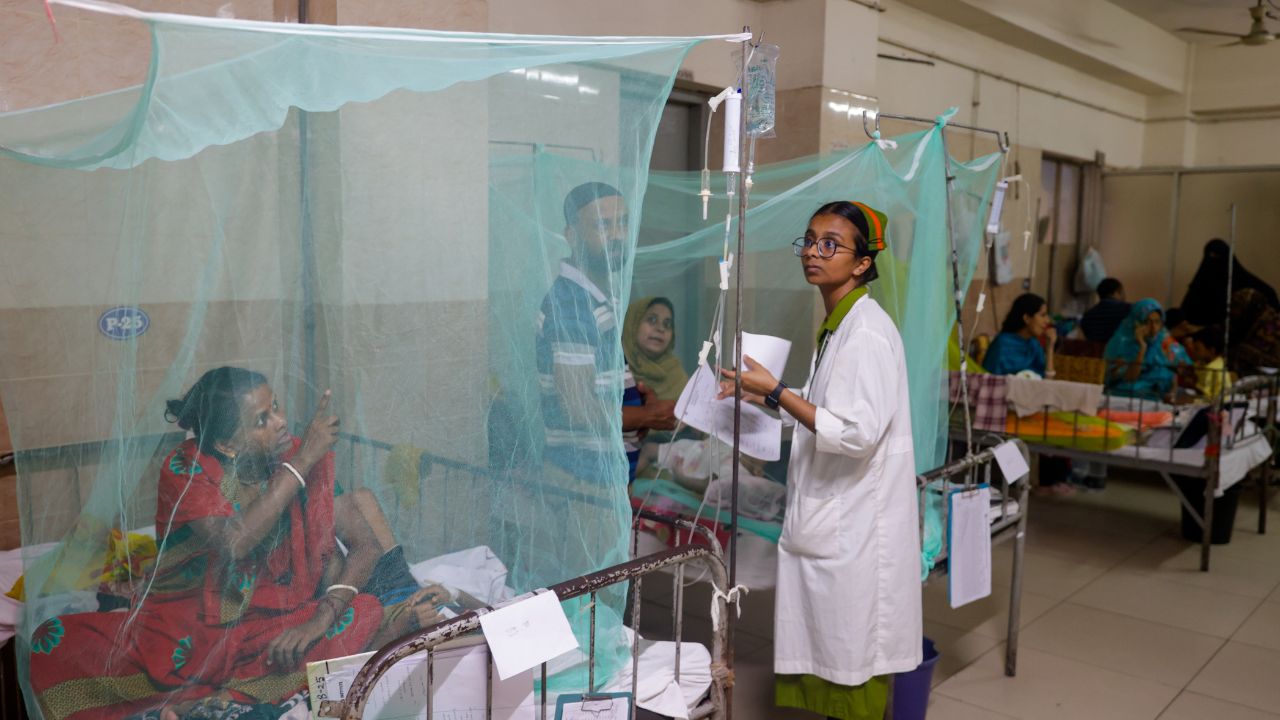

UNICEF’s Representative in Bangladesh Stanley Gwavuya noted that since the EPI began in 1979, the rate of fully vaccinated children has increased from 2 percent to 81.6 percent.
He credited this progress to the government’s commitment, development partners, and the role of field-level health workers. However, he remarked that the most difficult challenge now is reaching the remaining children, particularly those in urban slums and remote regions.
The agency reported that immunisation programmes save around 94,000 lives annually in Bangladesh and prevent illness in about 50 lakh children. The programme is also highly cost-effective; for every $1 invested, around $25 in health and economic benefits are generated.
Moreover, bringing all children under the umbrella of vaccination remains a major challenge. Unvaccinated or partially vaccinated children are generally at higher risk due to poverty, lack of education, and limited healthcare access. These factors are cited as significant contributors to the rate of preventable child mortality.
The press release further highlighted that future funding pressures may increase due to manpower shortages, service limitations in urban slums, difficulties in reaching remote areas, and changes in the support structure of the global vaccine alliance, Gavi.
Consequently, the government will need to manage vaccine procurement, supply chains, cold chains, and service operations using its own resources.
World Health Organization (WHO) Representative in Bangladesh Ahmed Jamsheed Mohamed reiterated the importance of vaccines during World Immunisation Week, stressing the necessity of ensuring equal access for all children. He stated, “There is no alternative to immunisation programmes to build a resilient and healthy future.”