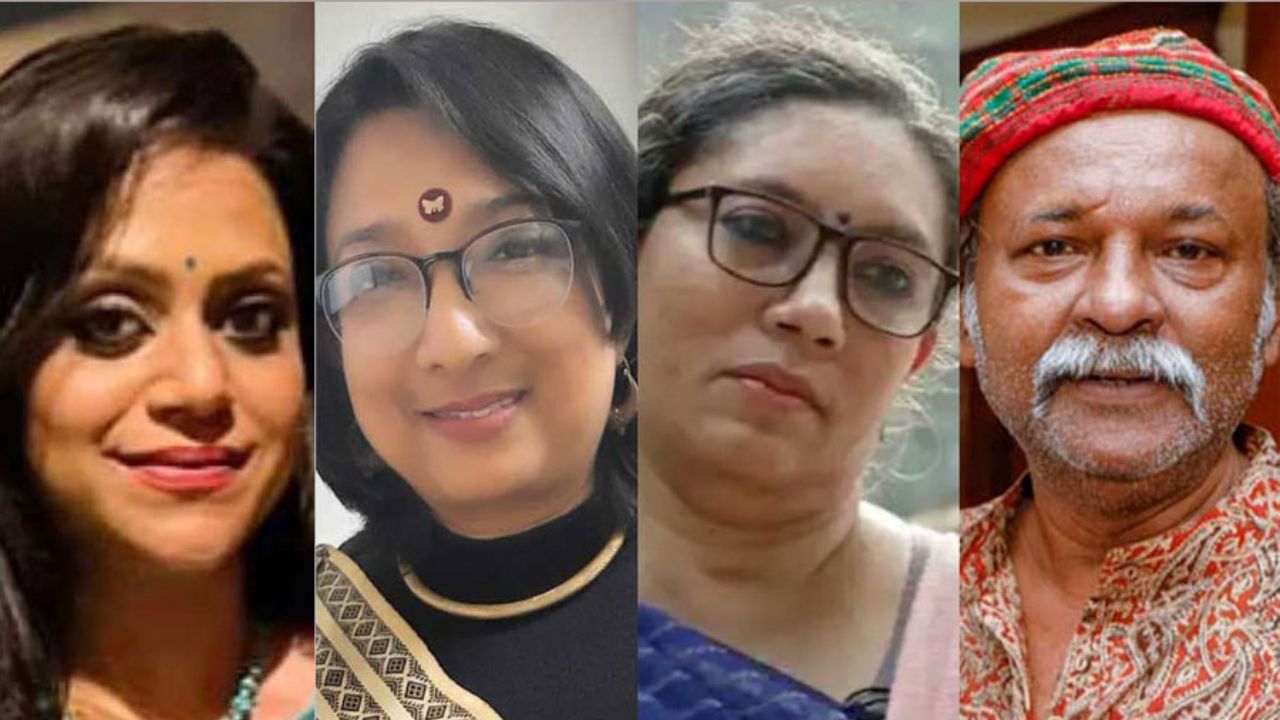

Four members of the Bangladesh Shilpakala Academy’s governing board have resigned, alleging that the country’s premier cultural institution is being run in violation of the law.
Azad Abul Kalam, Samina Lutfa Nitra, Layeqa Bashir, and Rachel Perris tendered their resignations on Wednesday, submitting letters to the academy’s Director General Sheikh Rezauddin Ahmed Stalin.
In his letter, Azad condemned what he described as “personal autocracy” and “deliberate dysfunction” within the Academy.

“As long as Shilpakala operates unlawfully, I will not shoulder responsibility for its actions,” he wrote, adding that the council’s sidelining dishonoured the martyrs of the 2024 Uprising.
Nitra, echoing the sentiment, said, “The Academy’s operations are not being conducted according to law, and I do not wish to be complicit in illegality.”




The resignations follow months of tension inside the Academy. After the fall of the Awami League regime on August 5 last year, long-time director general Liaquat Ali Lucky stepped down.
Theatre scholar Professor Syed Jamil Ahmed was appointed DG the following September, but resigned abruptly in February. Under the 1989 Shilpakala Academy Act, the governing council is required to meet at least once every three months.
Yet since the board’s reconstitution in October 2023, it has convened only once. No meetings were called after Jamil’s exit, despite repeated appeals to Cultural Affairs Adviser Mostofa Sarwar Farooki.
“The 126th meeting, due by 18 March, was never held. This is a clear breach of the law,” Azad noted. Nitra added that members have been kept in the dark on key decisions, leaving them formally accountable but practically excluded from governance.
The latest resignations underscore a deeper crisis at the Shilpakala Academy, where disputes over legality and transparency have cast doubt on the institution’s ability to function as the nation’s cultural authority.