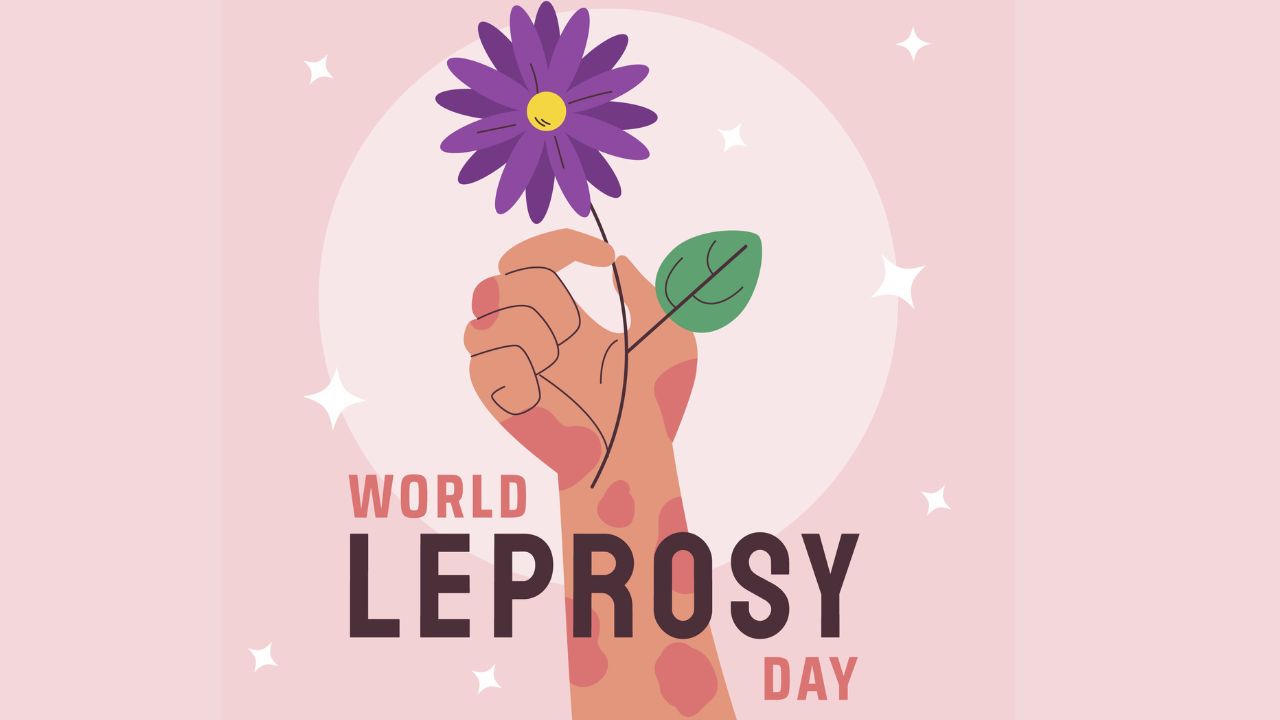

The government has reaffirmed its firm commitment to eliminating leprosy by 2030, emphasising integrated efforts and the removal of social stigma to achieve this global target. During a discussion meeting held at the “Mela Ghar” conference room of the Directorate General of Health Services (DGHS) to observe World Leprosy Day 2026, officials highlighted that approximately 3,000 people continue to be newly infected with the disease in Bangladesh every year.
The event, initiated by the National Leprosy Programme (MBdC) under the Ministry of Health and Family Welfare with support from the World Health Organization (WHO), also acknowledged the vital role of international partners, was organised under this year’s theme: “Leprosy is curable, social superstition is the real barrier.”
To implement the goal of reducing leprosy to zero, the government has prioritised a proactive roadmap that moves beyond clinical treatment to active community intervention. Presenting the keynote paper, DGHS Programme Manager (Leprosy) Dr Afsana Alamgir Khan noted that many of those infected suffer from physical disabilities and face significant social discrimination.

To address this, the government is placing special emphasis on rapid identification and immediate treatment.
Crucially, the state’s role in achieving the 2030 target involves the implementation of special screening camps in remote areas and the execution of regular “contact tracing” to test individuals who have been in close proximity to patients.

Speakers at the event reiterated that the government’s commitment and the importance of all sectors working unitedly are now the most vital factors in reaching these global milestones.
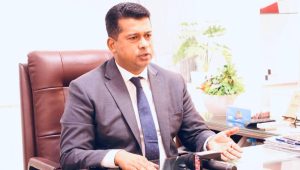
Director General of Health Services Professor Dr Md Abu Jafar stated that the primary obstacle to building a leprosy-free country is not the pathogen itself, but rather deep-seated superstition. He called for a unified front between government and non-government organisations to overcome existing limitations and meet the elimination target.
This collaborative approach is central to the government’s roadmap, which relies on the “united” work of all sectors to achieve the zero-leprosy vision.
Organisations such as the Sasakawa Health Foundation Japan, The Leprosy Mission, Damien Foundation, HEED Bangladesh, and The Salvation Army were recognised for their contributions to accelerating the national programme.
The meeting was attended by senior officials including Additional Secretary of the Ministry of Health and Family Welfare Sheikh Momena Moni, Joint Secretary Mamunur Rashid, and ADG (Admin) of DGHS Khair Ahmed Chowdhury.
Also present were Secretary General of the Bangladesh Dermatological Society Dr Rashed Mohammad Khan, and individuals affected by leprosy who shared their personal experiences with the disease and the social hurdles they have encountered.