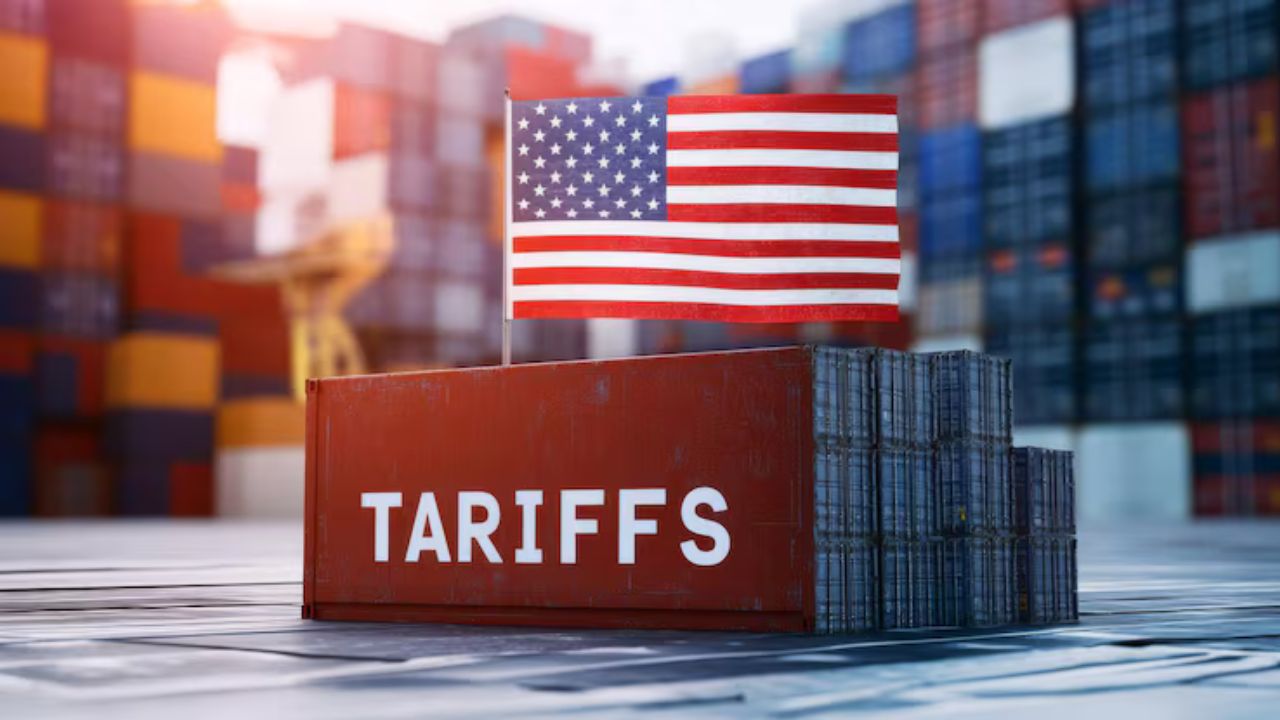

The United States Senate has overwhelmingly approved a significant sanctions package targeting Russia, which could lead to 100 per cent tariffs on major trade partners like India and China if they continue purchasing Moscow’s oil.
The legislation, titled “Lindsey O Graham Sanctioning Russia Act of 2026,” was advanced this week with an 86-12 vote. It now proceeds to the House of Representatives for further consideration, reports Al Jazeera.
The bill is named in memory of the late Senator Graham, a prominent Ukraine supporter who passed away unexpectedly earlier this month.
Ukrainian President Volodymyr Zelenskyy, who was in Washington to attend the Senator’s funeral, watched the proceedings from the Senate gallery. He later described the vote on X as a “step towards peace” and an essential tool for implementing Graham’s vision.

Targeting ‘economic pipeline’
The proposed law seeks to dismantle the financial infrastructure supporting the war in Ukraine by targeting Russia’s energy sector and defence industry.
Specific provisions include new sanctions on President Vladimir Putin, over 20 high-ranking officials, and companies collaborating with the Russian military.




The bill also aims to neutralise Russia’s “shadow fleet” of tankers, which has been used to bypass international energy restrictions.
By invoking the International Emergency Economic Powers Act (IEEPA), the legislation would grant the US president the authority to impose tariffs of up to 100 per cent on goods from the top five purchasers of Russian energy or military hardware. Additionally, direct Russian imports into the US could face tariffs as high as 500 per cent.
Geopolitical and economic implications
Data from the Centre for Research on Energy and Clean Air (CREA) suggests that China, India, and Türkiye are the most likely targets of these measures, as they remain leading buyers of Russian energy.


Maia Nikoladze, a deputy director at the Atlantic Council, noted that India faces a difficult choice between its energy security and the threat of US trade penalties. India has previously received US waivers to continue its energy imports following regional disruptions.
Meanwhile, Even Pay of the consultancy Trivium China stated that the bill would provide President Donald Trump with the legislative mandate he has long desired to levy high tariffs on China.
Domestic hurdles and criticism
Despite the Senate’s progress, the bill faces immediate delays as the House is currently in summer recess. President Trump has requested amendments to include tariffs on countries purchasing Iranian oil, a move that analysts suggest may alienate Democratic lawmakers who prefer the focus to remain on Russia.
Domestically, the bill has drawn criticism from figures such as Senator Maggie Hassan and the US Chamber of Commerce. Opponents argue that the financial burden of these tariffs will ultimately fall on American businesses and consumers rather than foreign adversaries.
However, David Smith of University of Sydney’s US Studies Centre observed that because the measures are based on new legislation rather than the reinterpretation of old laws, they may possess more legal staying power than previous tariff efforts.