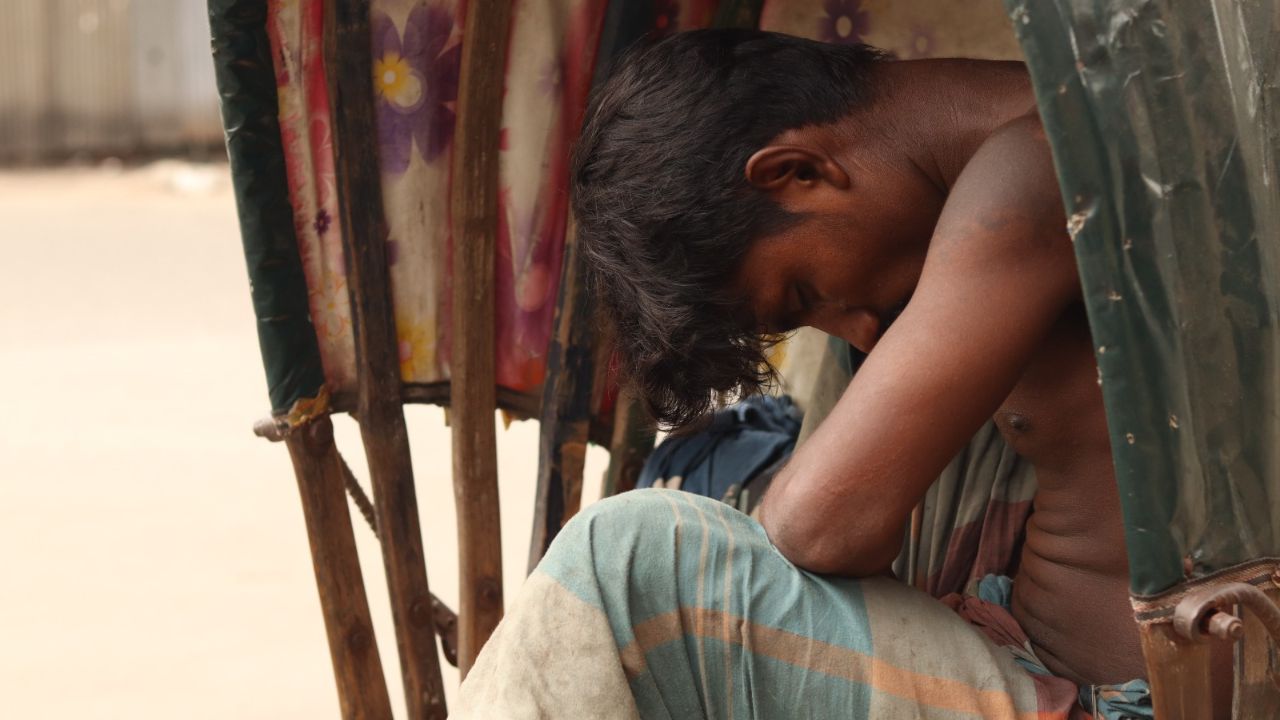

As Dhaka exhales at night, another life quietly begins on its pavements. Beneath dim streetlights and the fading hum of traffic, thousands of people prepare for sleep, not in homes, but on footpaths, in alleys, on rickshaw seats, inside parks, or under the overhangs of shopping malls.
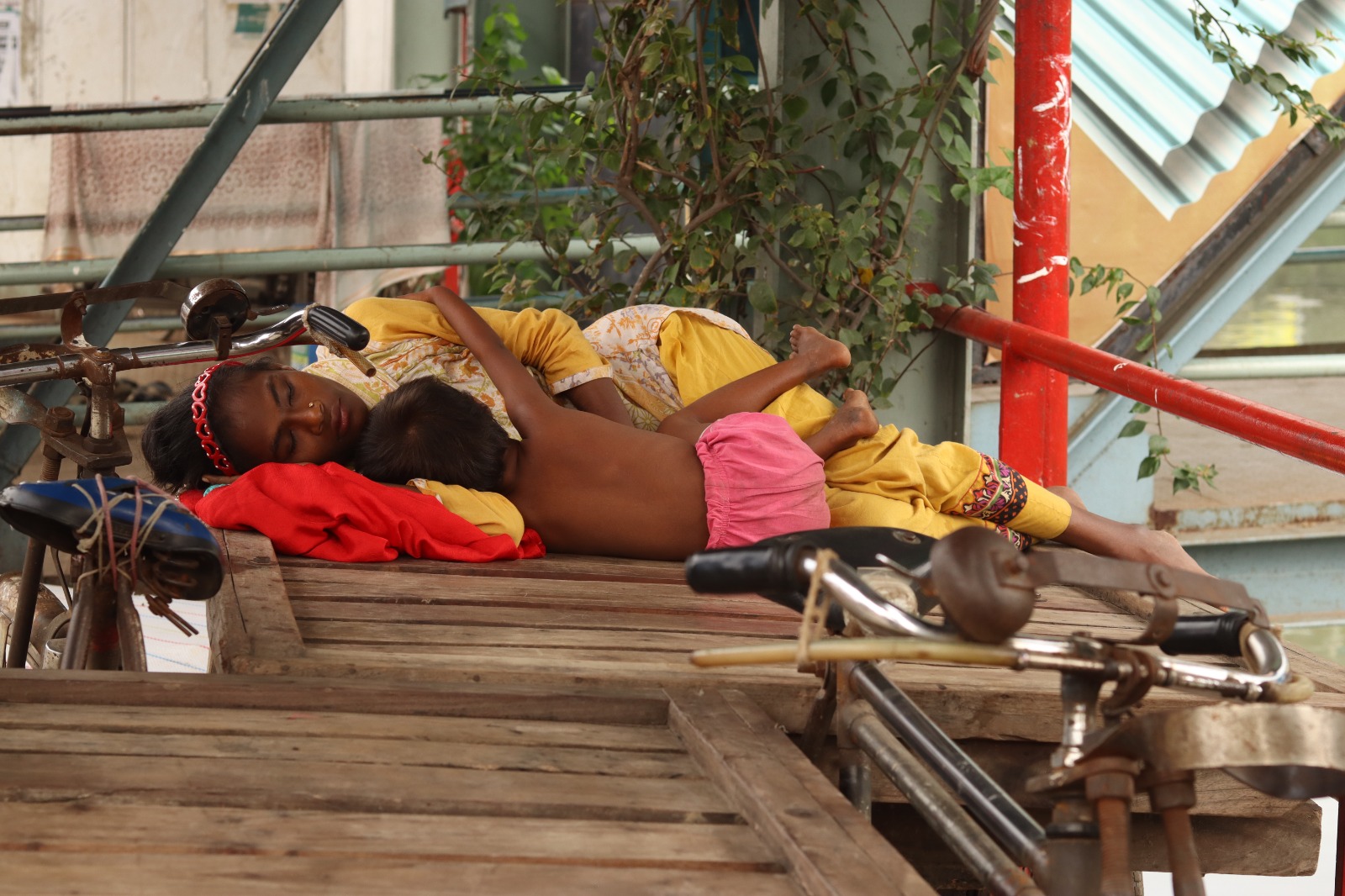
They arrive in the capital carrying hope despite hardship. From flood-prone villages and climate-hit regions, they come in search of survival. By day, they dissolve into the city’s constant motion. They pull rickshaws through endless congestion, pushing loaded vans, work as porters, or sell small goods as hawkers. Their labour keeps the city moving, yet the city rarely makes room for them.
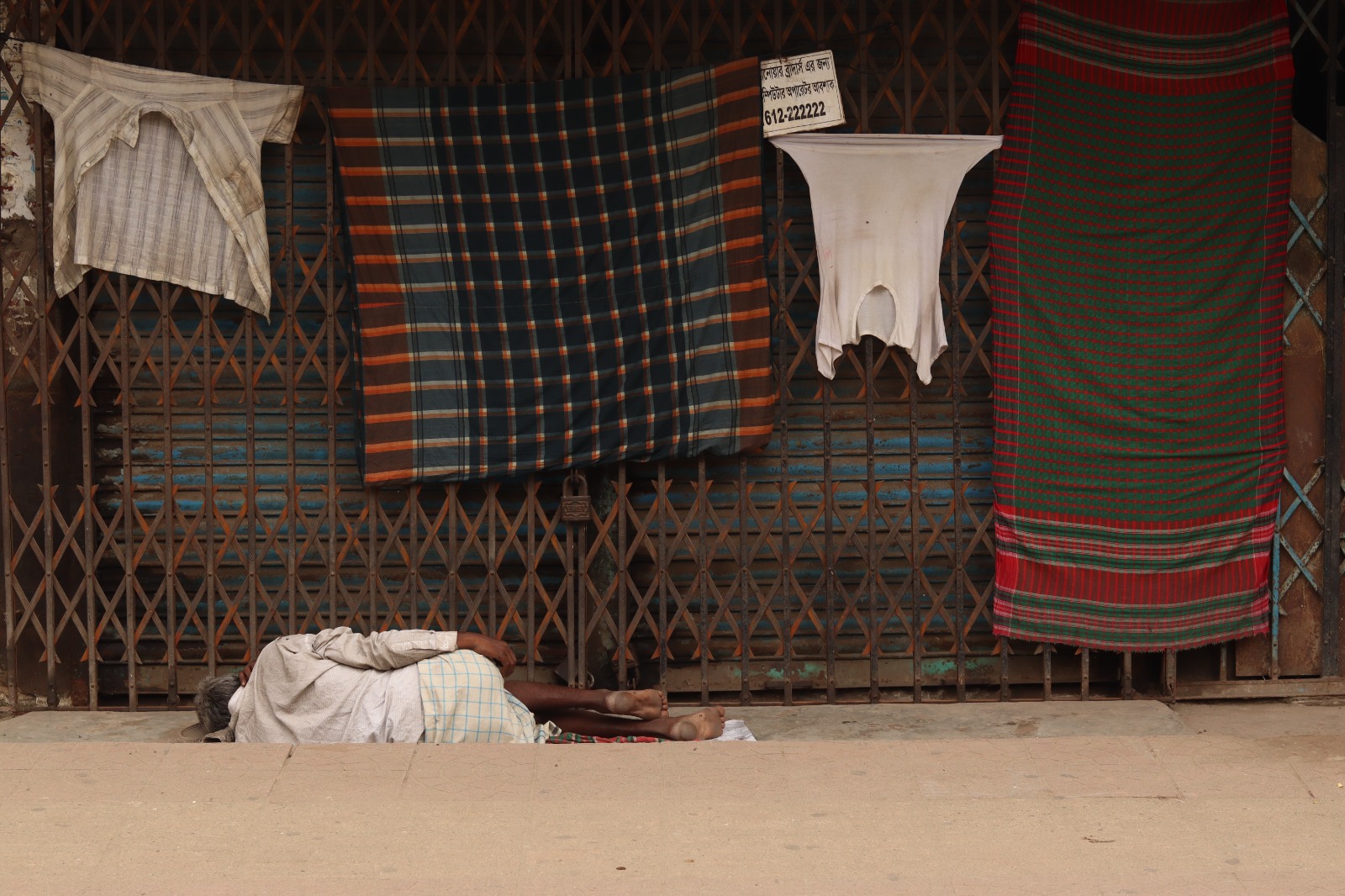
Their earnings are uncertain and painfully low. Even the cheapest rented rooms remain beyond their reach. When night falls, the streets become their beds. A thin sheet, a worn-out cloth, or sometimes just bare concrete becomes a place to rest exhausted bodies. Sleep is never complete; it is interrupted by noise, harassment, or the constant fear of theft.

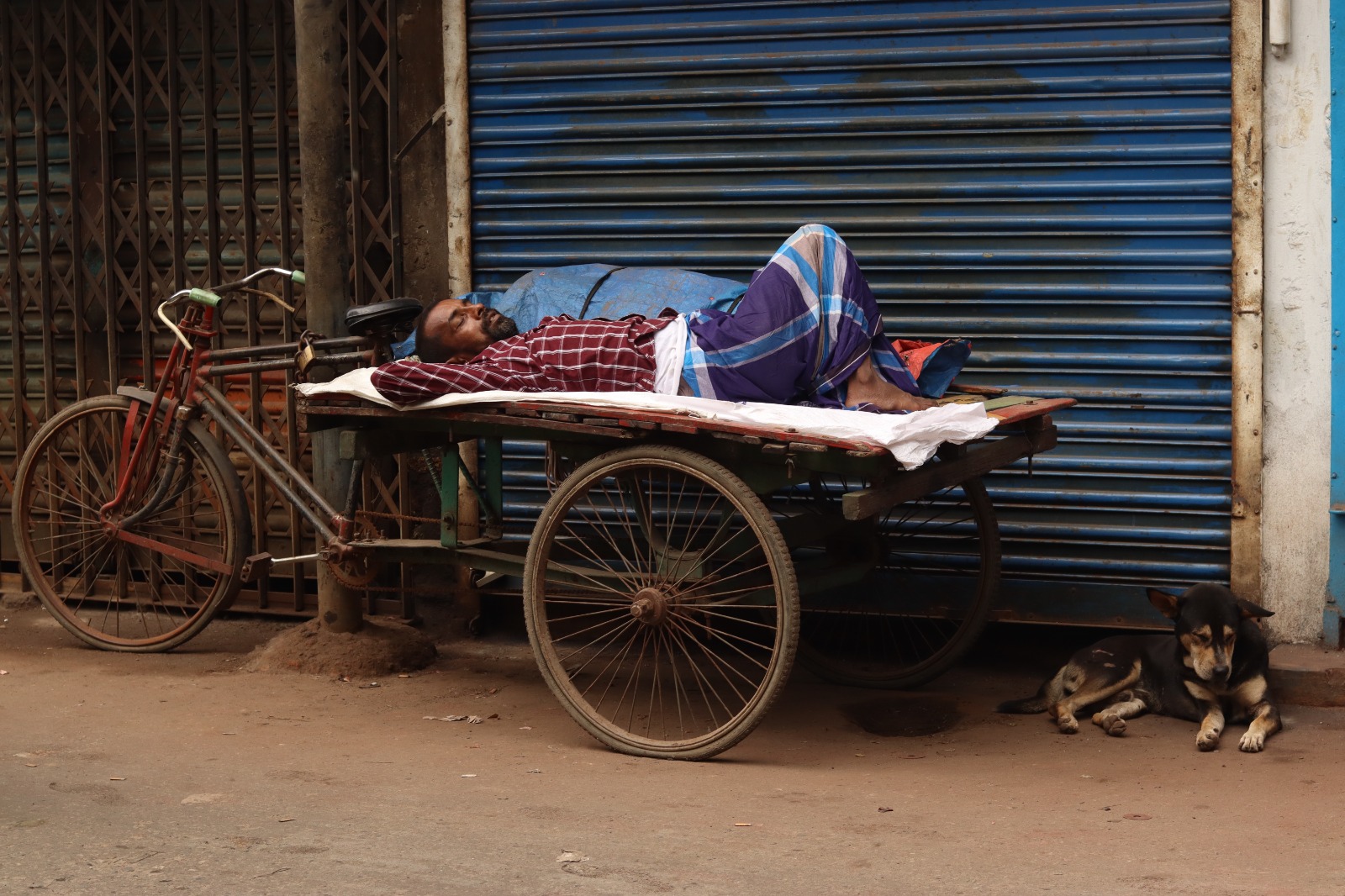
Yet the harshest threat is often unseen. Mosquitoes swarm relentlessly, turning rest into discomfort. Exposure to the open air and lack of sanitation leave them vulnerable to diseases such as dengue, malaria, fever, and respiratory infections. Medical care is often unaffordable, forcing many to continue working through illness, deepening their struggle.



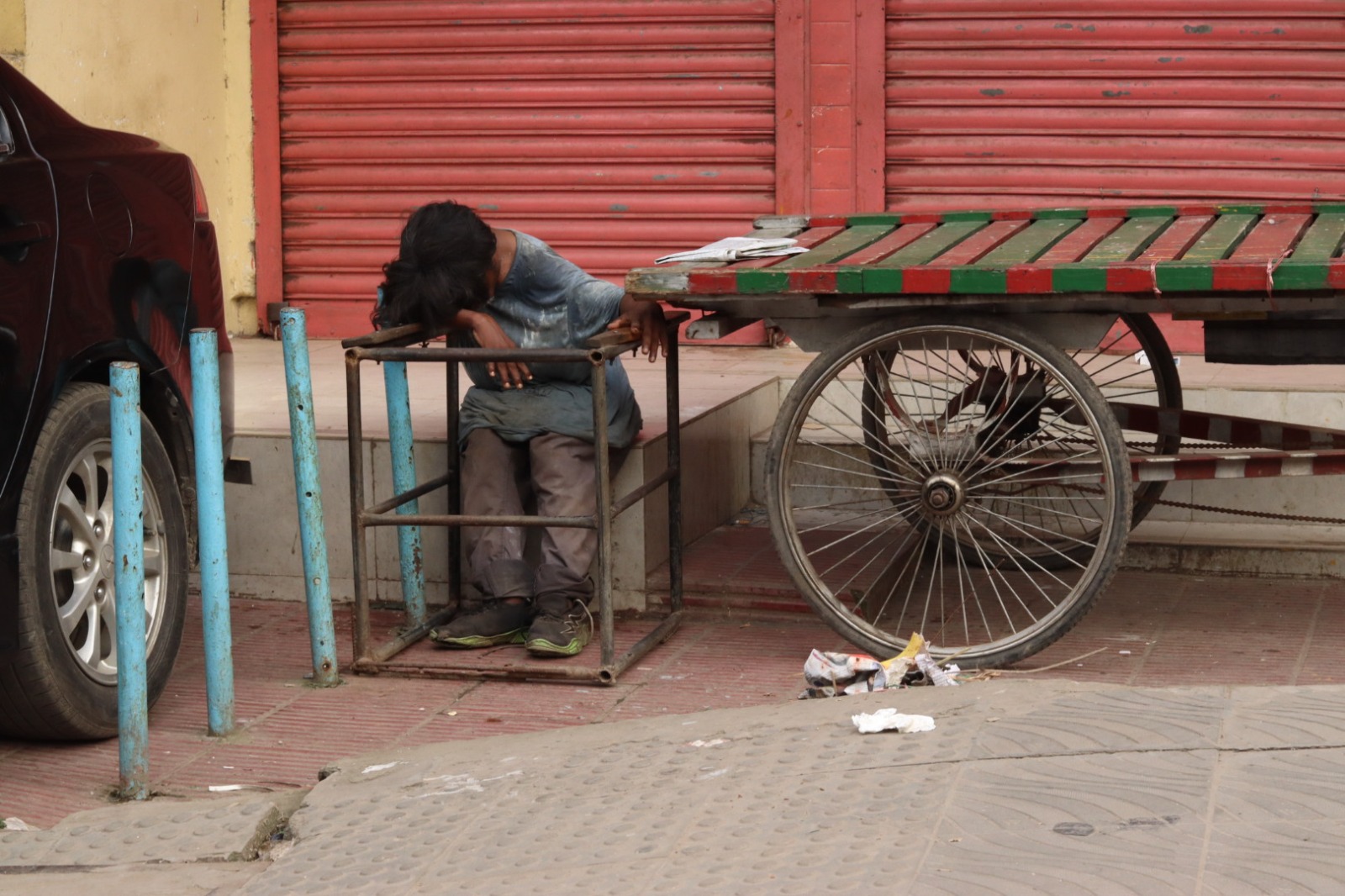
Still, there is a quiet dignity in the way they endure. A father pulls his child closer on the pavement. Workers share stories under the open sky, finding brief comfort in companionship. Their lives unfold in public view yet remain largely invisible.
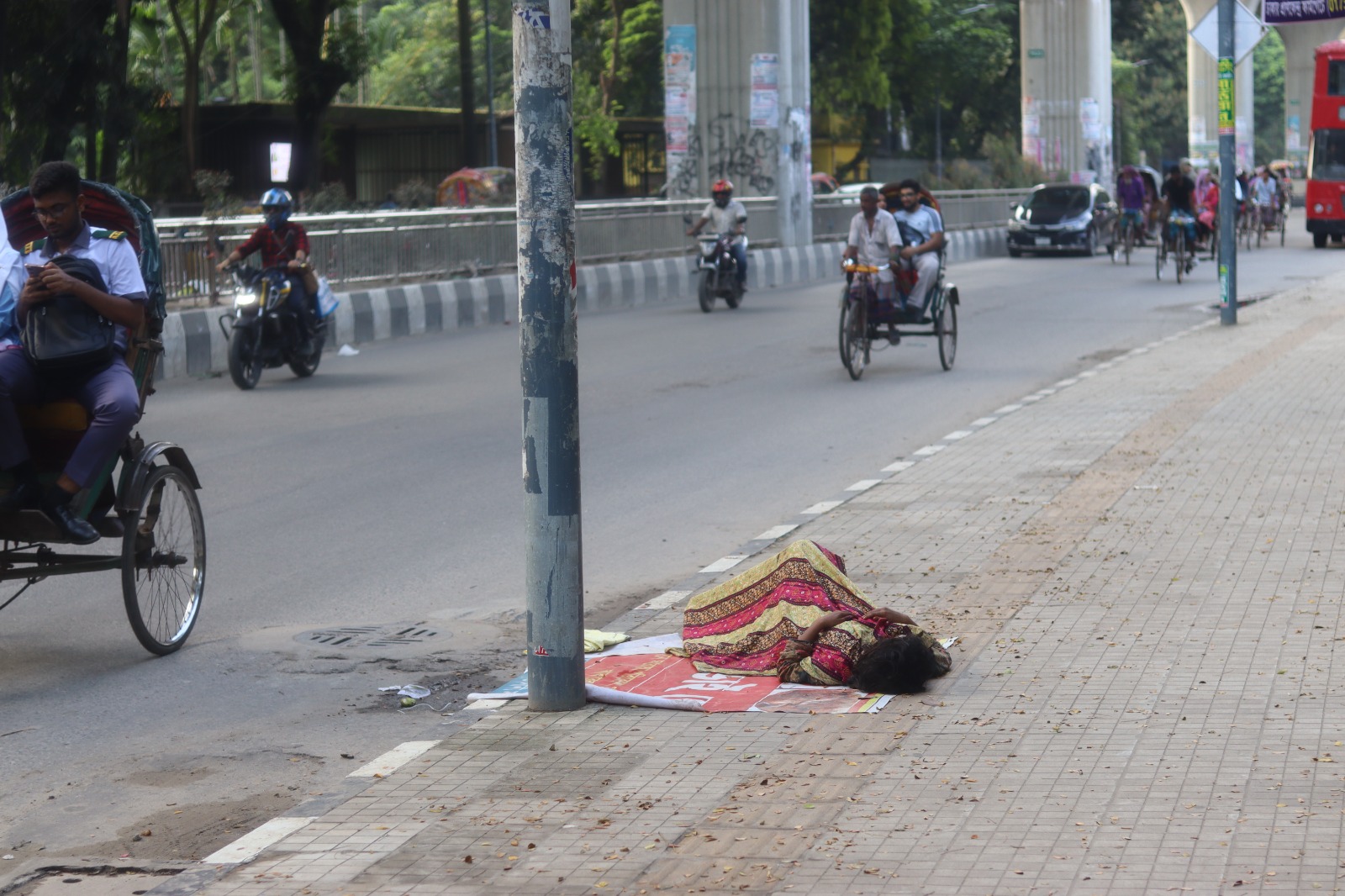
Despite the scale of the crisis, meaningful government initiatives remain limited and often inconsistent. While there are occasional efforts to rehabilitate the homeless, they rarely reach those who need them most, leaving thousands to fend for themselves night after night.
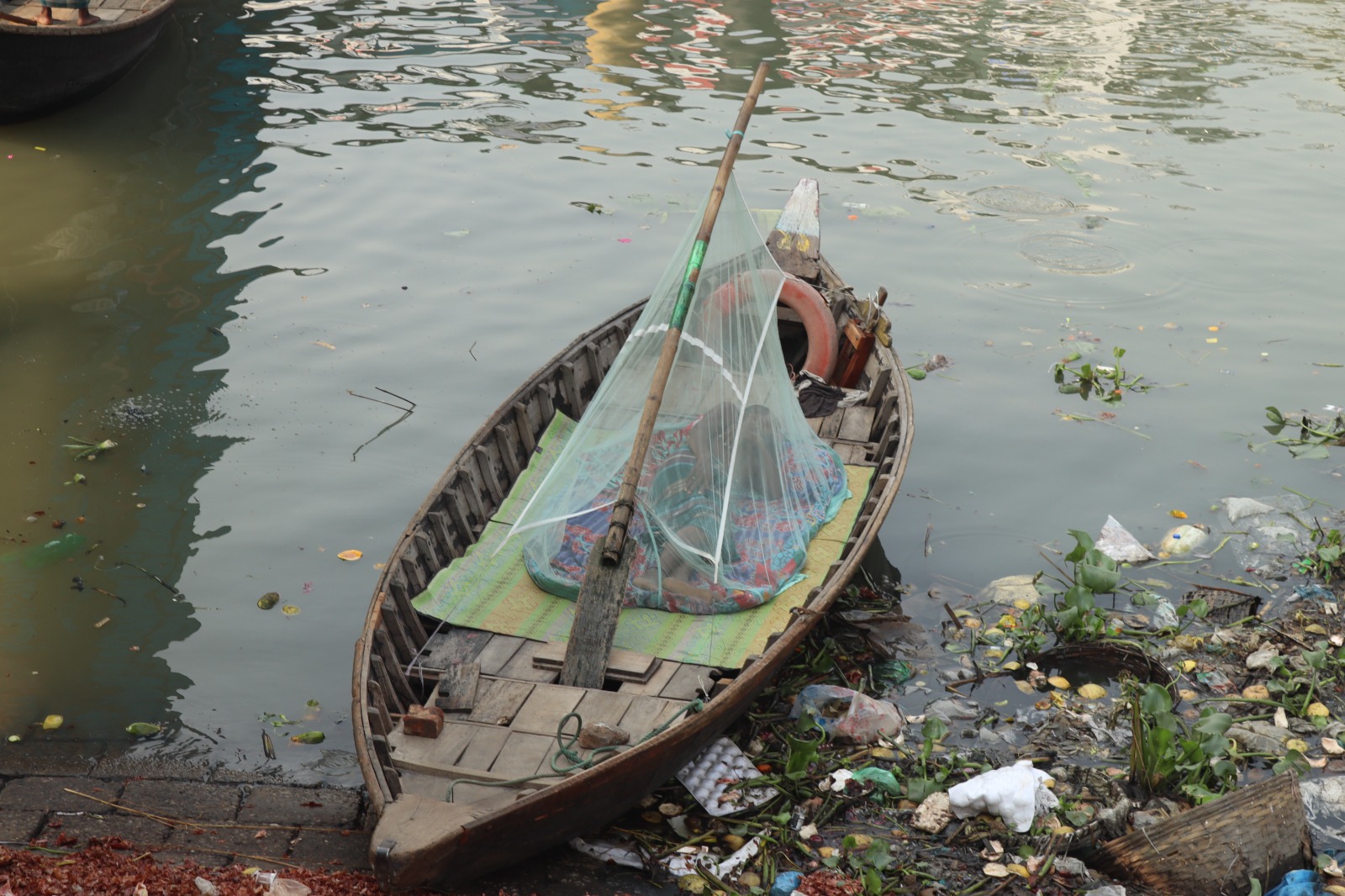
In the absence of protection, the streets become not just a place of hardship but also of danger. Petty theft, harassment and violence are constant threats, especially for women and children who are the most vulnerable. With no secure shelter and little access to legal or social support, many live in quiet fear in a system that has yet to fully acknowledge their existence.
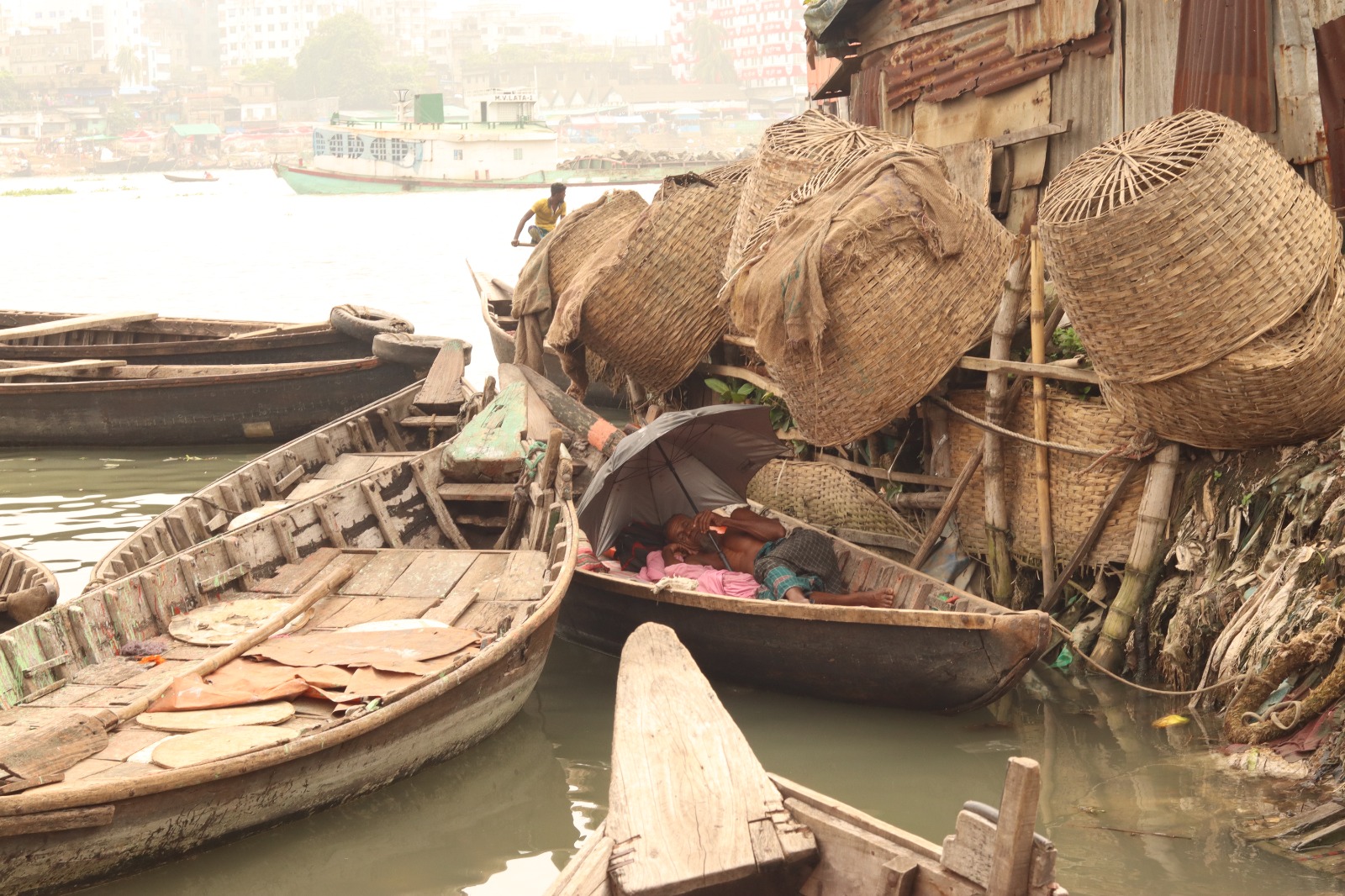
These are not just “street people.” They are workers, dreamers and survivors, citizens without shelter, navigating life on the margins. As the city sleeps, they remain fragile, exposed yet relentlessly resilient.