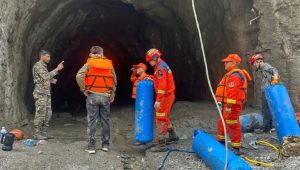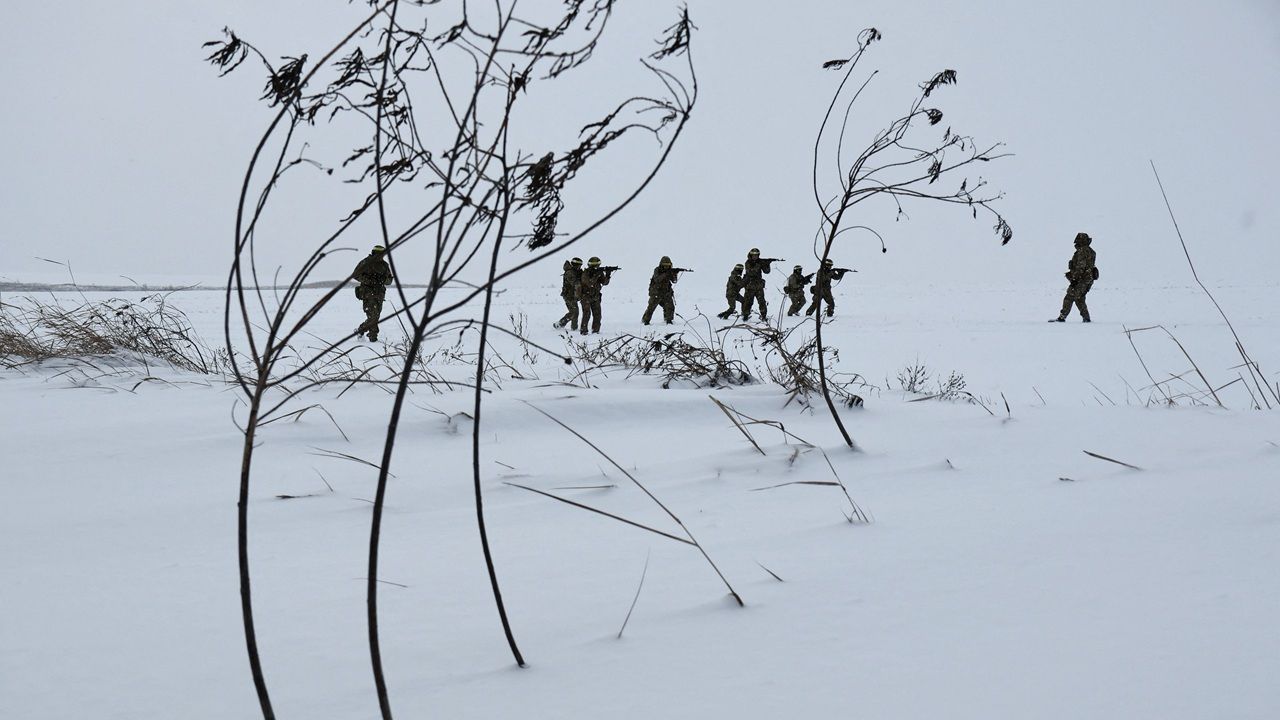

As 2026 dawned, the war in Ukraine showed no sign of letting up. On the ground in the south, particularly in the strategic Zaporizhzhia region, Ukrainian forces are grappling with mounting pressure from Russian offensives, underlining a grim reality.
After nearly four years of conflict, the battle for control remains fierce, costly and unresolved.
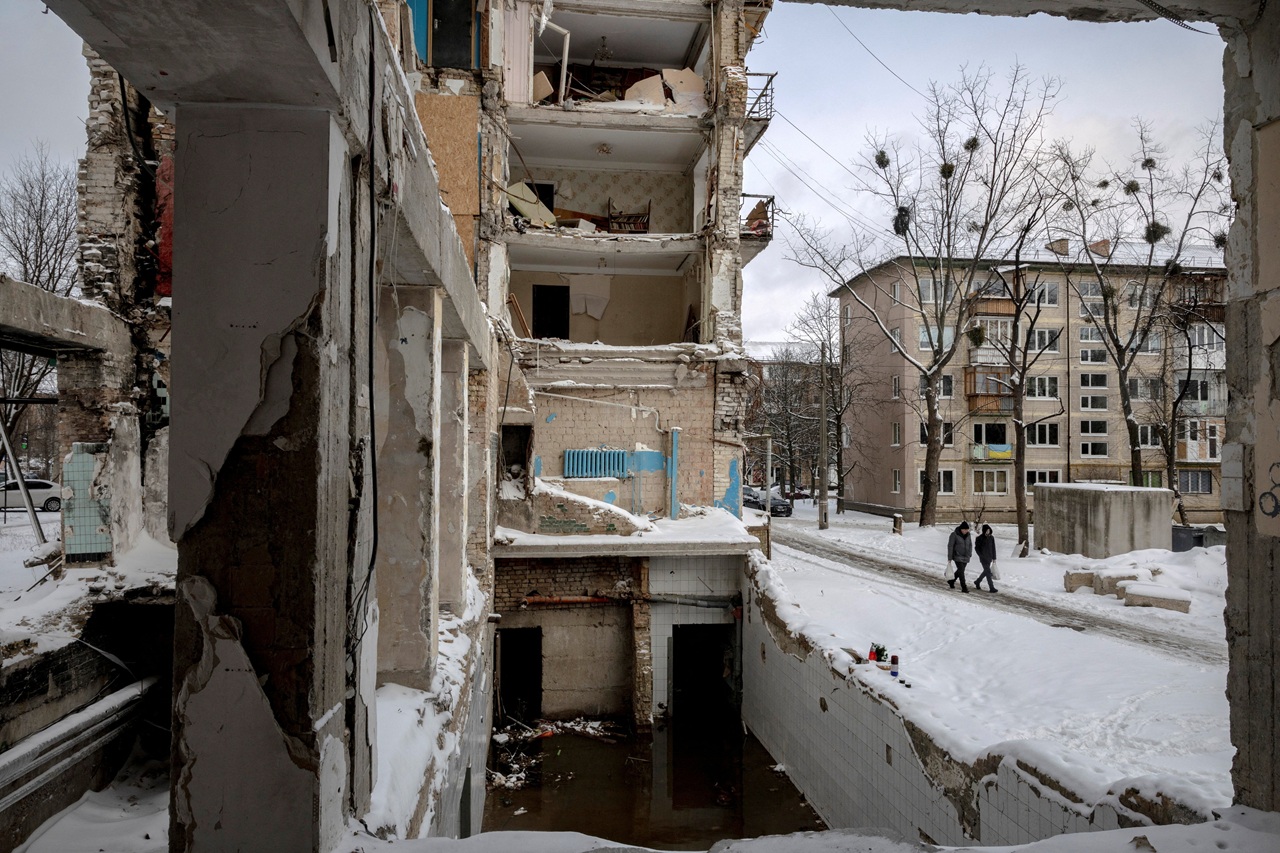
In recent weeks, units defending the Zaporizhzhia sector have been hard-pressed. Russian brigades, supported by artillery and infantry, have pushed into open terrain south of the Dnipro River, making incremental territorial gains. This also forces Ukrainian defenders into difficult choices about where to hold and where to concede ground.

This dynamic has turned key zones such as Huliaipole into hazardous “grey zones,” where frontlines are fluid, and control is fiercely contested. DeepState battlefield mapping shows Russians claiming broad swaths of southern territory, though defenders still hold critical portions of the area.
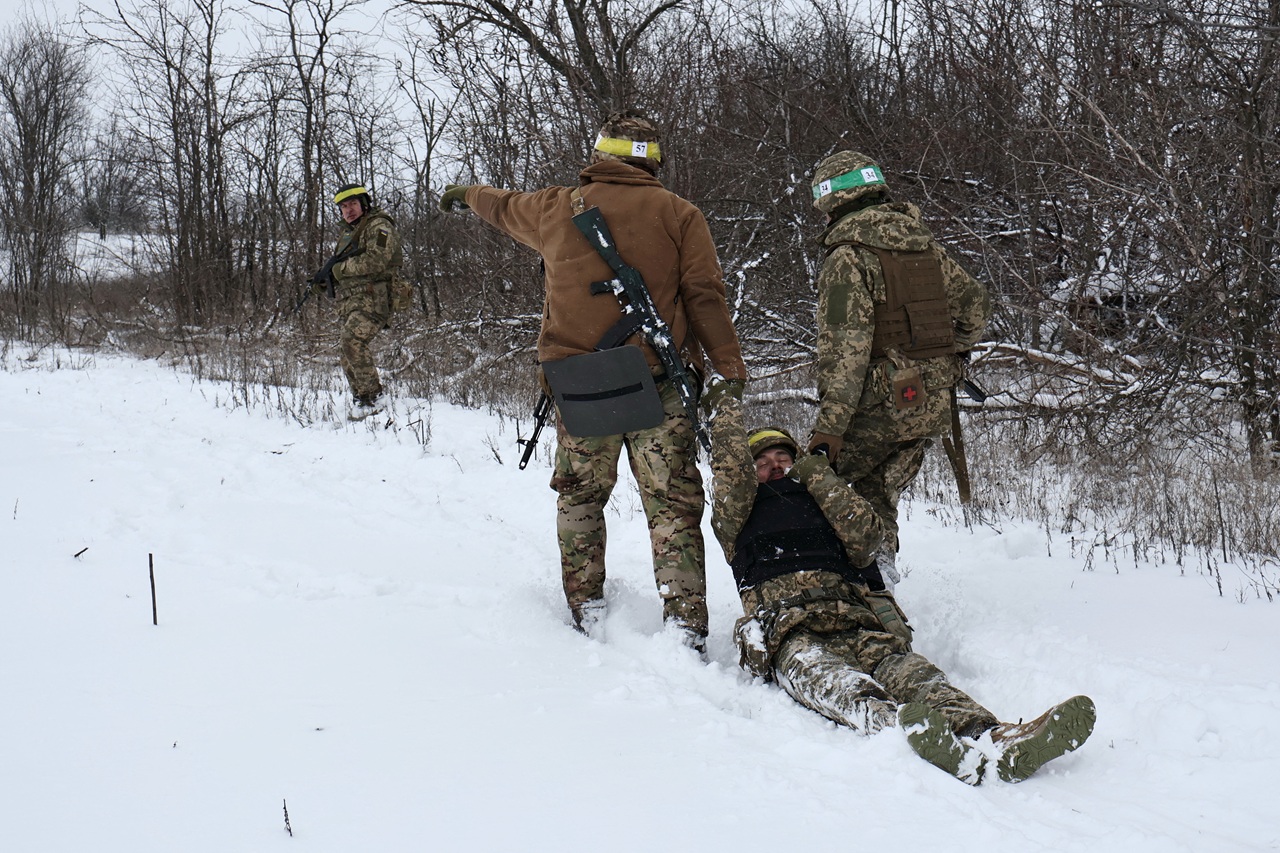
The current strain on Ukrainian troops stems in part from a shortage of manpower and equipment. Analysts and military sources point to the challenge of reinforcing stretched lines across a near-1,000-kilometre front.




According to CNN, in some southern sectors, Ukrainian territorial battalions assigned to hold positions have been outnumbered many times over by Russian units seeking to break through. Combat strategists note that when numbers and heavy weapons favour one side, defenders must lean heavily on drones, artillery and fortifications to blunt advances.
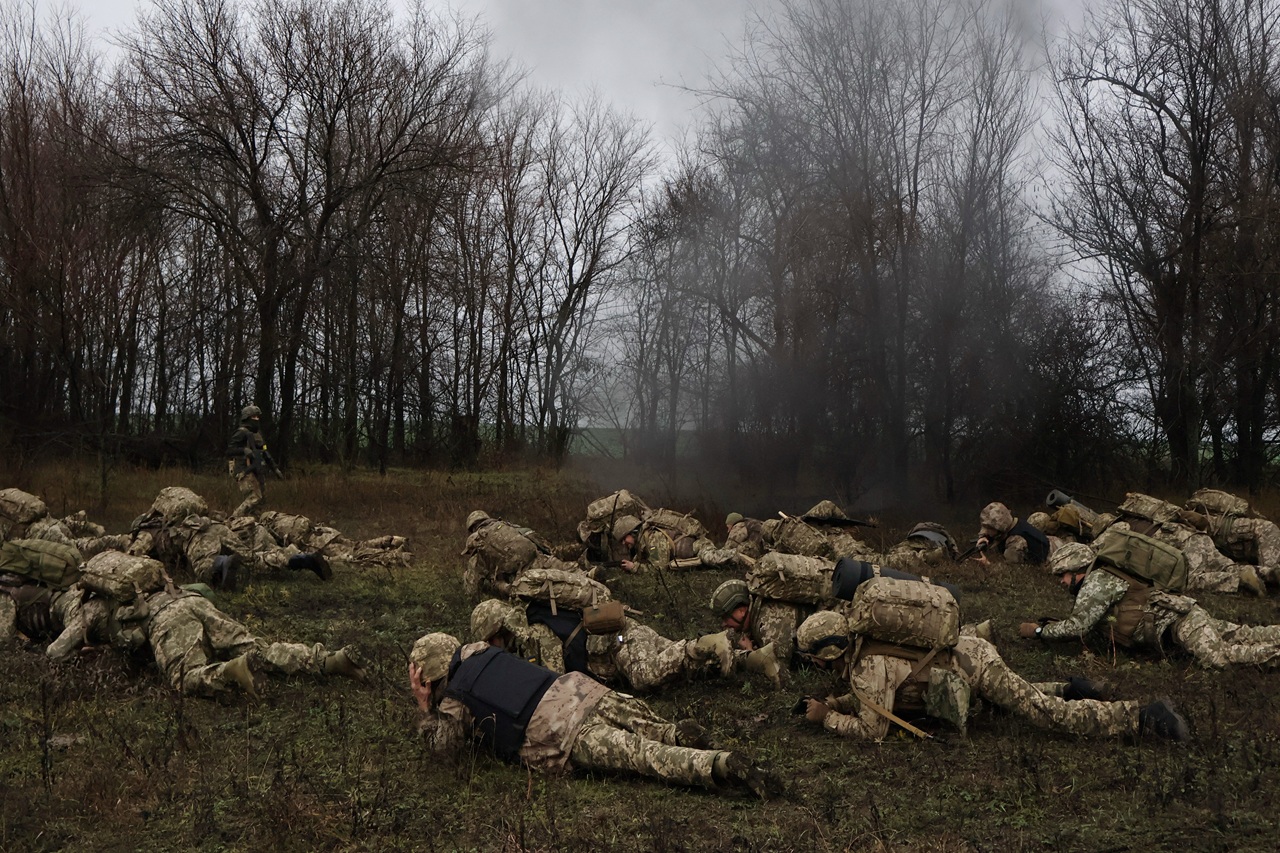
Despite these pressures, Kyiv’s leadership insists its forces continue to resist, and in some areas, even repel Russian attacks. Reports from the General Staff indicate hundreds of engagements along multiple frontlines, with Ukrainian units successfully defending against assaults near key defensive lines even as the enemy increases pressure, especially around Pokrovsk and Huliaipole.
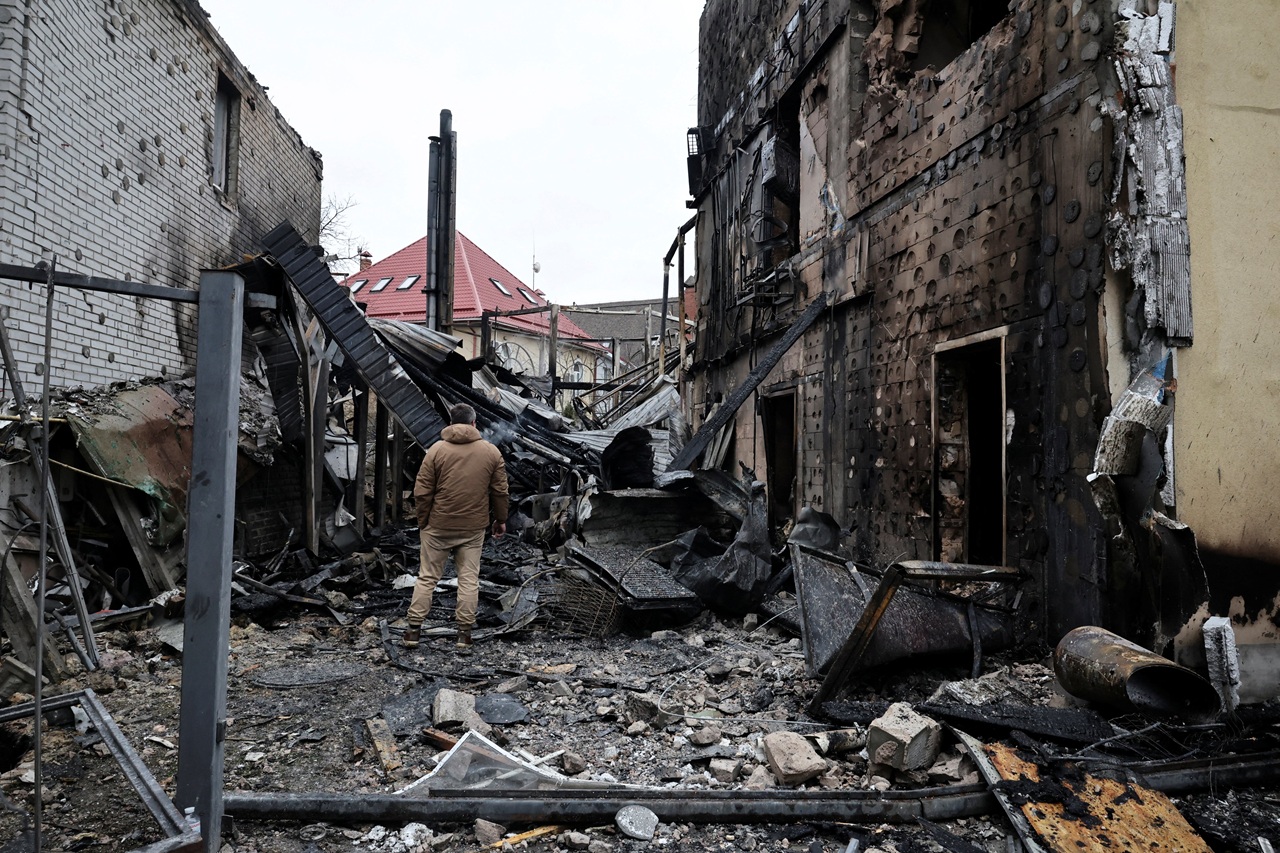
Compounding the military dimensions are broader diplomatic and strategic contests. Ukraine’s leaders and Western partners are pushing for plans that would secure long-term security guarantees; the United States has floated a multi-year framework to ensure Kyiv’s defence.
Meanwhile, Russia signals that its objectives, including control over swaths of Donetsk and Zaporizhzhia, remain intact, resisting any outcomes that would cement Ukraine’s alignment with Western structures.
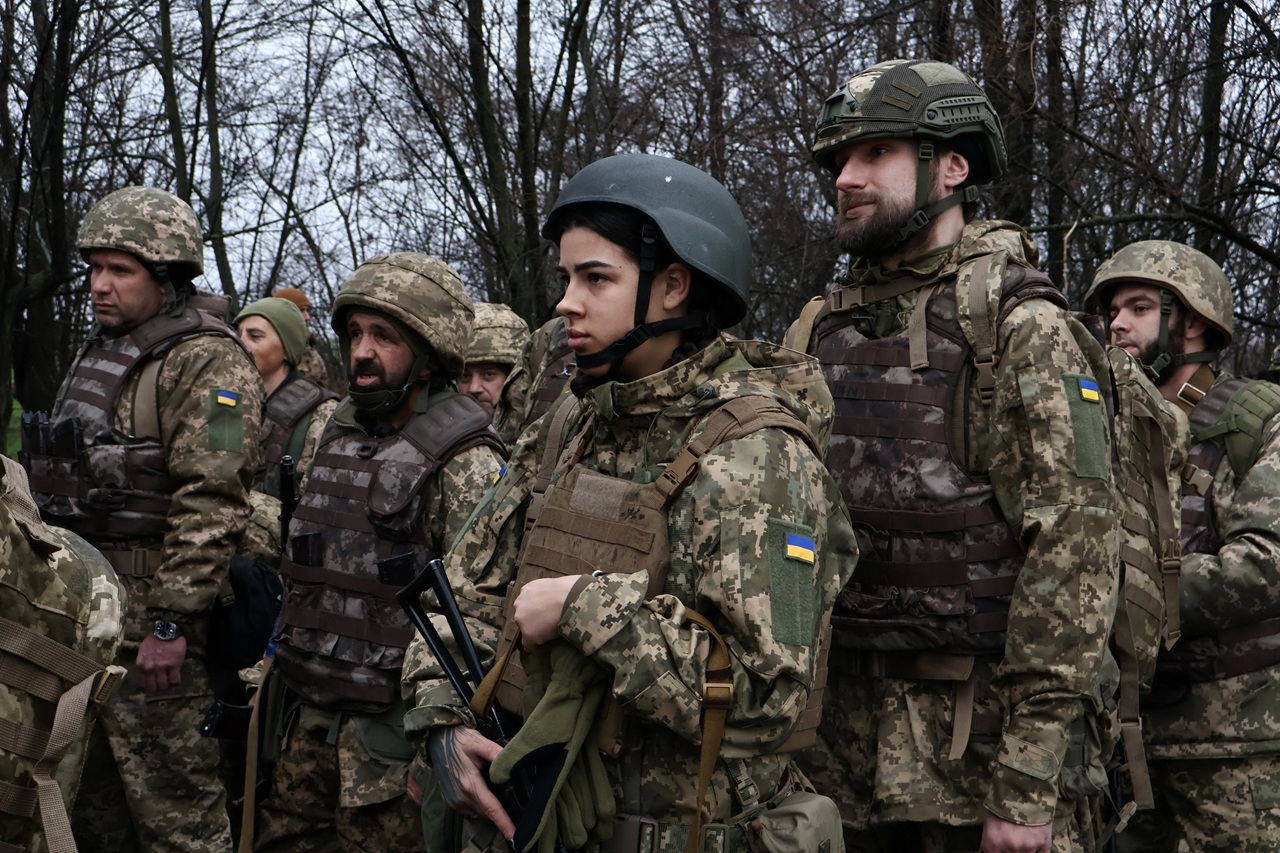
Even as the calendar turns, the human cost of this long war echoes across frontlines and capitals alike. Soldiers and civilians brace for another year in a conflict that has reshaped Europe’s security landscape. Diplomats talk ceasefires and negotiations, but on the ground, the artillery still thunders. It is a stark reminder that the battle for Ukraine’s future is far from over.