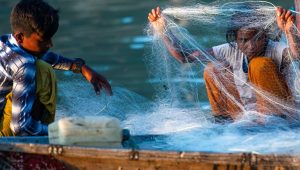
At the sprawling sand depot of Gabtoli, work begins early and ends only when daylight fades into the haze above the river. Here, the measure of labour is not counted in hours or wages but in small, circular tokens. Each token is worth just Tk 2, a modest piece of plastic or metal that represents the weight of sand carried, the sweat shed and the hours spent under the open sky.
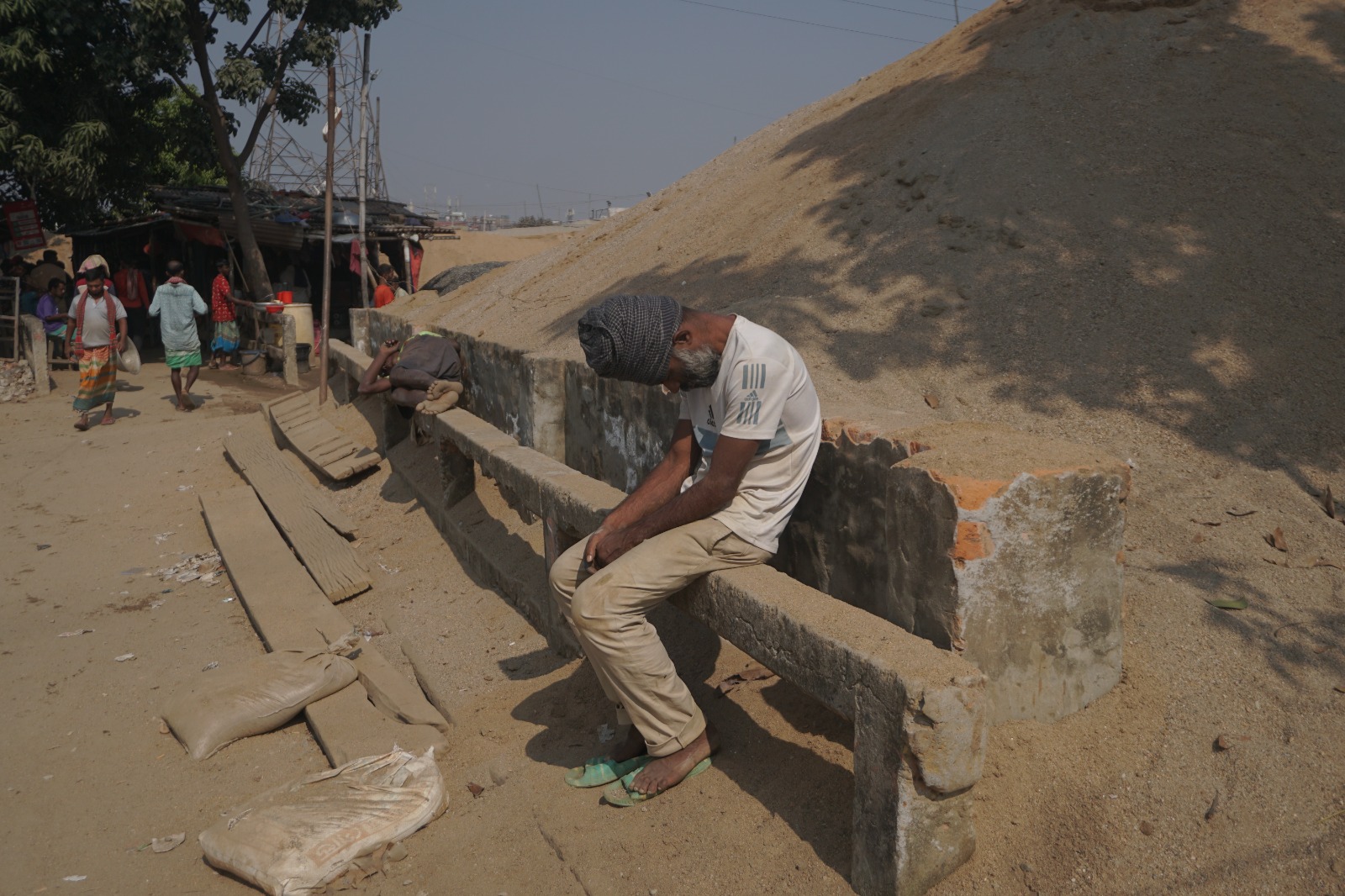
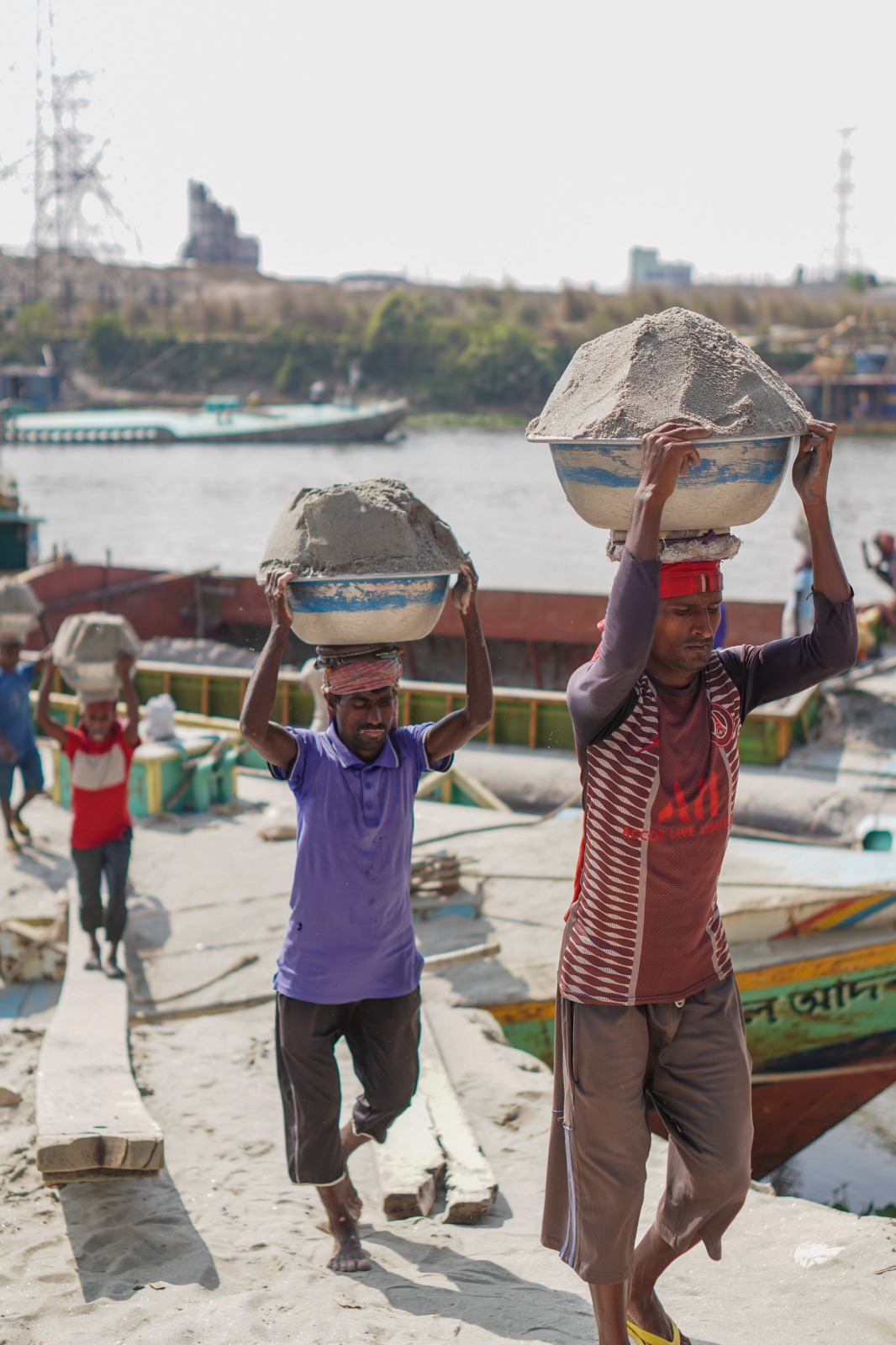
Throughout the depot, men move steadily between towering mounds of sand and waiting boats. With metal bowls balanced on their heads, they carry heavy loads across narrow planks, stepping carefully to avoid slipping into the river below. Every completed trip earns them another token, quietly dropped into their hands like a silent tally of effort.
Most of these workers have travelled far to be here. Many come from the north-western districts of Bangladesh, regions where work opportunities are scarce, and poverty often leaves little room for choice. For them, the depot offers a fragile source of income. It is a daily struggle that barely covers food and shelter but keeps their families afloat.

Among the labourers are younger faces, too. Some of them should be in classrooms, not balancing sand-filled bowls on their heads. These boys come from families where education has become a luxury. Books and notebooks have been replaced by physical labour, and school days by long hours in dust and heat. For them, the sand depot represents a compromise between survival and dreams that have quietly been put on hold.



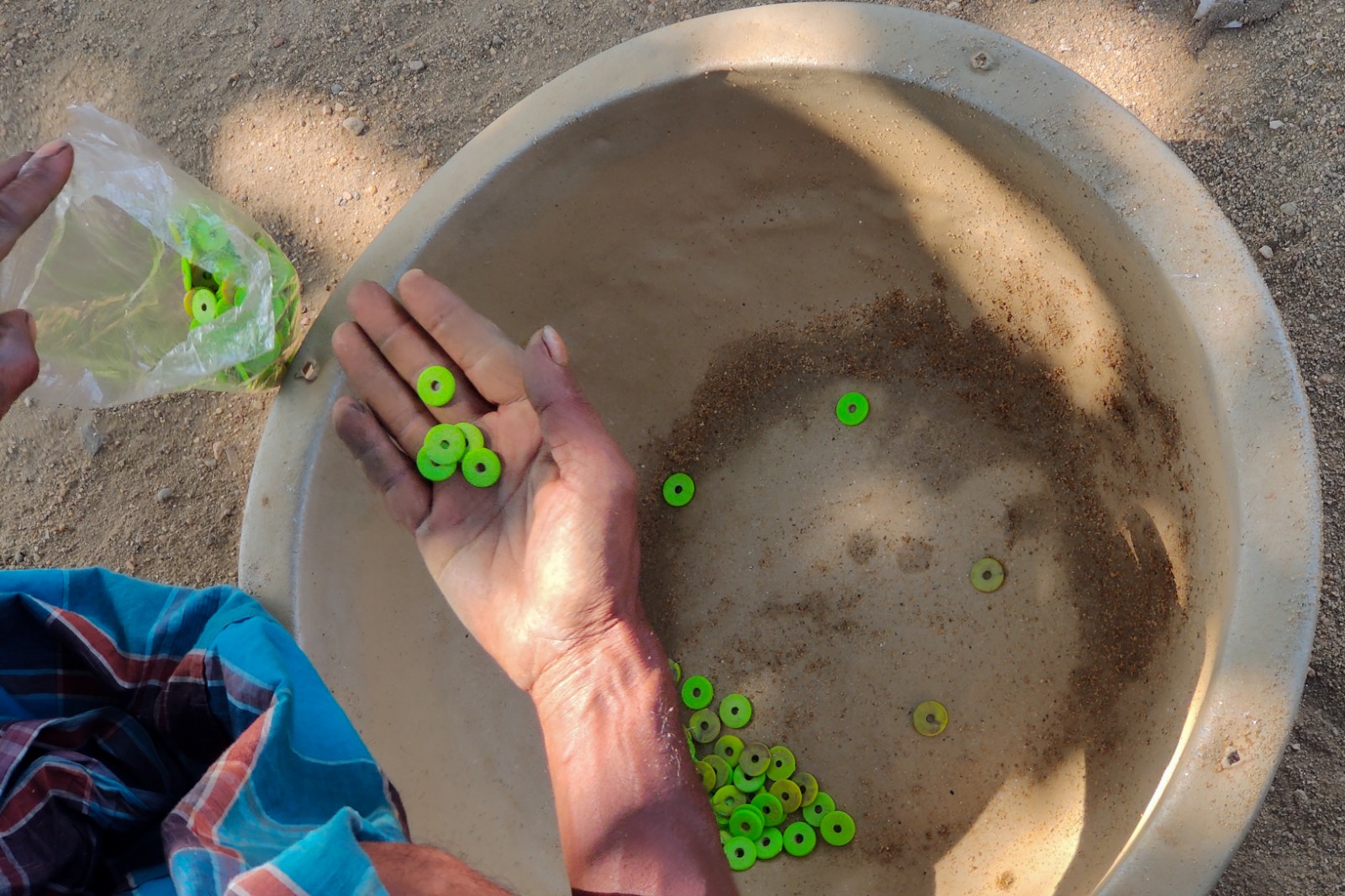
The economy of the depot revolves around these tokens. Workers gather them throughout the day, exchanging the small discs for cash when their shift ends. Yet the value of the tokens rarely reflects the exhaustion etched into their bodies. By evening, hands are rough, shoulders ache, and clothes are coated in fine sand that clings to the skin.
Labour rights advocates warn that such informal systems leave workers vulnerable. Without contracts, safety protections or fair wage structures, labourers remain trapped in a cycle where effort is constant, but progress is uncertain.
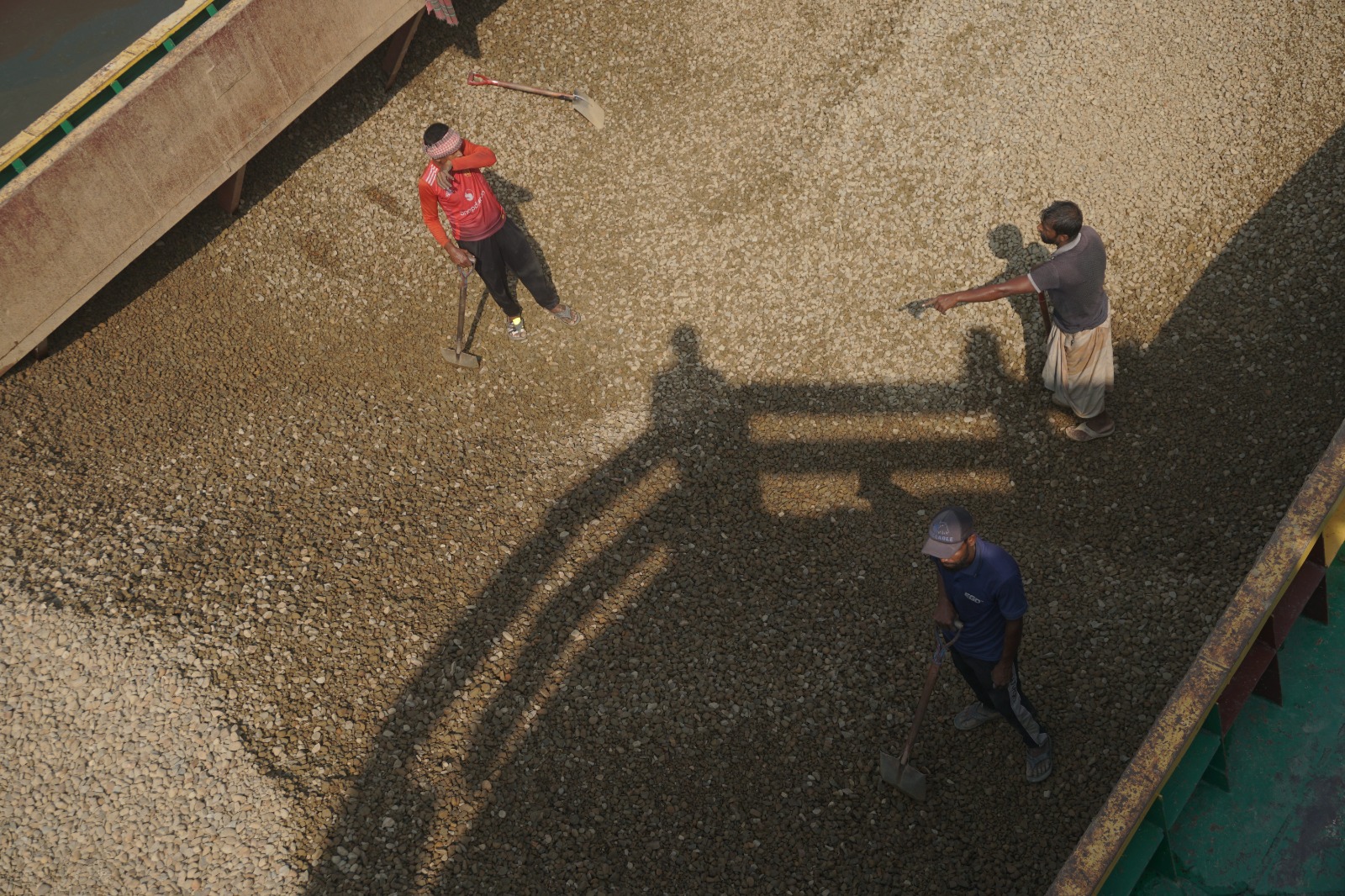
As dusk settles over Gabtoli and boats drift quietly along the river, workers slowly disperse. In their pockets are handfuls of tokens, small symbols of a day’s relentless labour and the quiet resilience of people who continue to work, even when the reward is barely enough to sustain tomorrow.