


The United States Interior Department has cancelled a rule that provided automatic protections for plants and animals designated as threatened with extinction.
This move marks the latest effort by President Donald Trump’s administration to dismantle core provisions of the landmark Endangered Species Act at the request of industry groups.
Under the new regulations, imperilled species will no longer receive “blanket protections” upon being added to the threatened list.
Instead, officials must develop individualized protection plans—a process critics warn is lengthy and opens the door for companies to seek exemptions for mining, oil and gas drilling, and other development within those habitats.

Economic impact vs conservation
The administration has also introduced a requirement for officials to analyse economic impacts when determining if a habitat is critical to a species survival. Critics argue this allows corporations to exert undue influence on conservation decisions.
“If you’re exempting certain industries that cause habitat destruction, in many instances you’ll be exempting the main threat to those species,” said Noah Greenwald, a representative of the environmental group Center for Biological Diversity.
Interior Secretary Doug Burgum defended the changes, stating that the Endangered Species Act has historically been used to “stop almost any new project in America,” thereby increasing costs for citizens and undermining national security.




“Success should be measured by species recovery and delisting, not by adding more species to the list,” Burgum added, noting that 97% of protected species remain on the list, a point of frustration for Republican lawmakers.
A shifting legal landscape
The “blanket protections” now being scrapped were first established for wildlife in 1975 and for plants in 1977. While the Trump administration made similar changes during its first term, they were subsequently reversed by the administration of former Democratic President Joe Biden.
In 2024, groups such as the Rocky Mountain Elk Foundation and the Property and Environment Research Center sued the Biden administration over the restoration of these protections. Jonathan Wood, vice president of the Montana-based research centre, argued that imposing strict restrictions on landowners when a species’ status improves from endangered to threatened actually removes the incentive for proactive conservation.
Accelerated deregulation Policy changes regarding wildlife have moved faster during Trump’s second term. In March, the administration exempted oil and gas drilling in the Gulf of Mexico from the Endangered Species Act. Defence Secretary Pete Hegseth cited the need to protect domestic energy supplies as the US engages in conflict with Iran.
Interior officials recently narrowed the definition of “harm” to a species, allowing development on critical habitats as long as animals are not immediately killed or injured.
Recent actions also include:
- Canada lynx: A sharp reduction in the amount of protected critical habitat in the Rocky Mountains for these wildcats.
- Grizzly bears: Secretary Burgum announced that management authority for grizzly bears would be transferred to state officials in Montana, Wyoming, and Idaho.
- Listing trends: No new species have been added to the endangered or threatened lists during Trump’s second term, compared to roughly 60 during the Biden presidency.
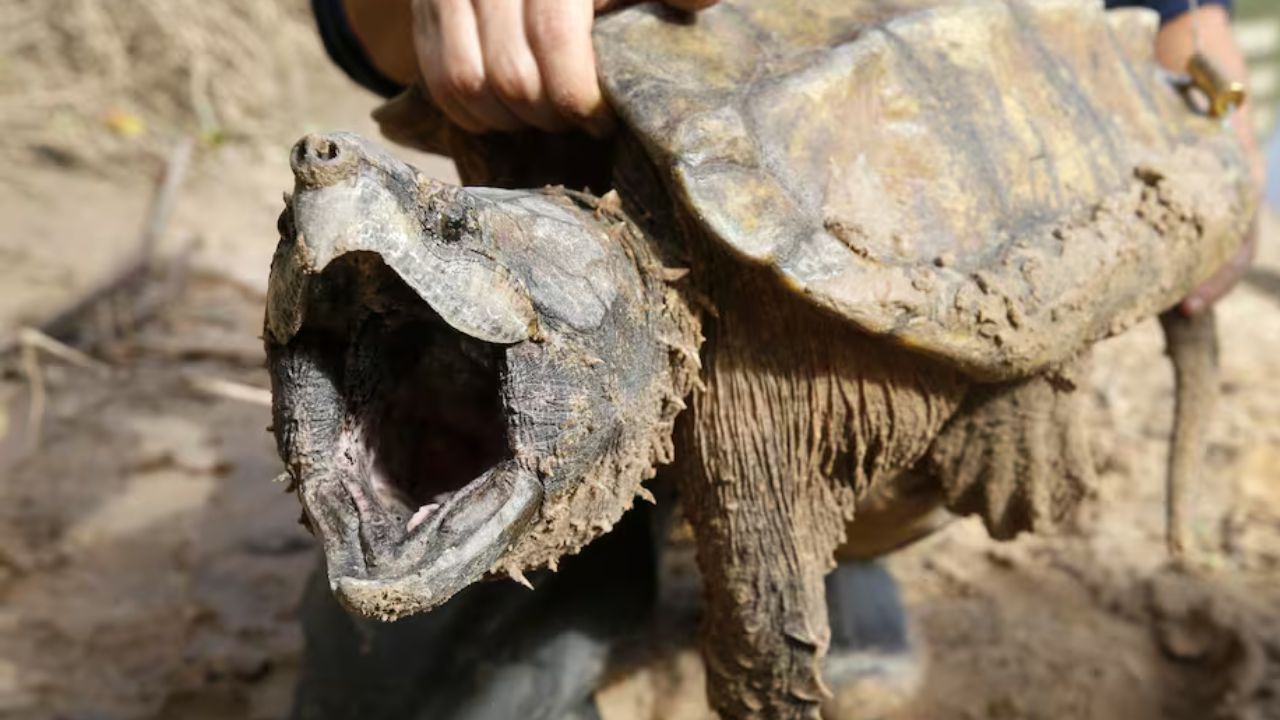
Approximately 30 species are currently proposed for threatened status, including monarch butterflies, alligator snapping turtles, and California spotted owls. Opponents of the recent changes fear these species, along with various insects and fish, are now at greater risk of disappearing.
Despite the current rollbacks, the Endangered Species Act remains celebrated for preventing the extinction of iconic American animals such as the bald eagle and the American alligator.