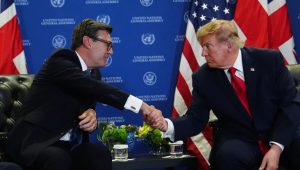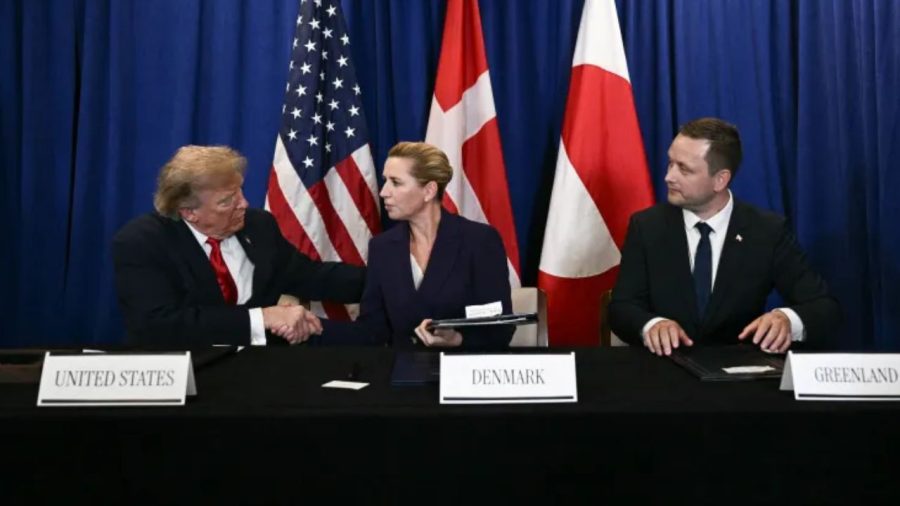

US President Donald Trump signed a security agreement with the leaders of Greenland and Denmark on Tuesday, easing tensions following his repeated calls for the United States to acquire the autonomous Danish territory.
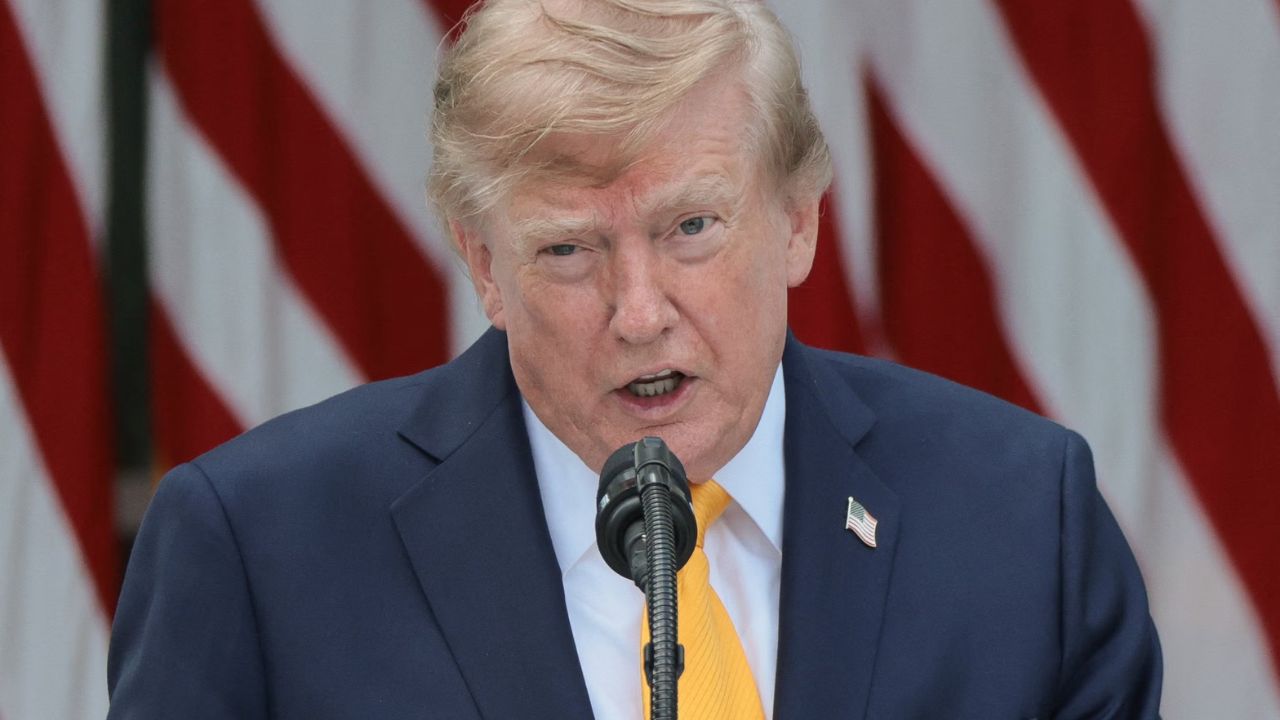
“It’s going to be a long-term, fantastic relationship,” Trump said at a signing ceremony held on the sidelines of the United Nations General Assembly in New York.
“This is tremendous for Europe and for the United States and for everybody,” he added.
Under the 10-page agreement, the United States will establish two additional military bases in Greenland — in Narsarsuaq in the south and Mestersvig in the east — alongside the existing Pituffik base operated by Washington in northern Greenland.
The pact reaffirmed “the sovereignty and territorial integrity of the Kingdom of Denmark” while recognising Greenland’s “right to self-determination”.
Since returning to the presidency in January 2025, Trump has repeatedly argued that US control over Greenland was necessary for national security, a position that alarmed NATO ally Denmark and drew opposition from the alliance.

Located along the shortest missile route between Russia and the United States, Greenland is considered strategically important for missile defence plans, including Trump’s proposed “Golden Dome” defence shield.
The island also contains deposits of rare earth minerals and could become increasingly significant as melting Arctic ice opens new shipping routes.
Frederiksen seeks ‘peace of mind’
Danish Prime Minister Mette Frederiksen said the agreement had put Denmark “in a better place than we were yesterday”.
“As everyone knows, we live in uncertain times,” she told reporters after signing the deal.


“I hope the agreement will bring more peace of mind in Greenland, because it has been a tough time,” she said.
Earlier, Frederiksen told Trump that his message had been clear: “You don’t want adversaries to come too close.”
“I fully agree, and with this deal, they are not,” she added.
Greenland Prime Minister Jens-Frederik Nielsen said the territory was important for both North American and transatlantic security.
“This agreement reflects that we understand our responsibility and act accordingly,” he said.
Later, Nielsen said the agreement was a step in the right direction but added that “back home we need to rebuild trust, and that will be a process for us”.
In Copenhagen, barber Gavin Sharpe, 40, told AFP that he believed the agreement represented little change from the previous arrangement.
“It’s just the same situation,” he said, adding that Trump’s messaging appeared aimed at appealing to US voters.
Pact limits rivals’ Arctic access
The agreement prevents non-NATO and non-European Union countries from gaining influence in Greenland’s strategic sectors, in an apparent effort to block China and Russia from establishing a foothold in the Arctic region.
Under the pact, such countries will generally be barred from gaining “control, significant influence, or access to non-public information that may constitute a threat to national security or public order” in sensitive areas.
European Council President Antonio Costa welcomed the agreement as a “positive step for transatlantic cooperation and Arctic security”.
“The EU stands ready to continue working closely with Greenland, Denmark and our transatlantic partners for a peaceful, secure and prosperous Arctic,” Costa said in a post on X.
German Chancellor Friedrich Merz also expressed support for the agreement.
The pact states that Greenland, which has a population of about 57,000, must continue to comply with the agreement even if it becomes independent from Denmark.
It also requires Greenland to remain in or join NATO if necessary.
Under a 1951 defence agreement updated in 2004, Washington already has the authority to increase its military presence in Greenland after informing Denmark and Greenland in advance.