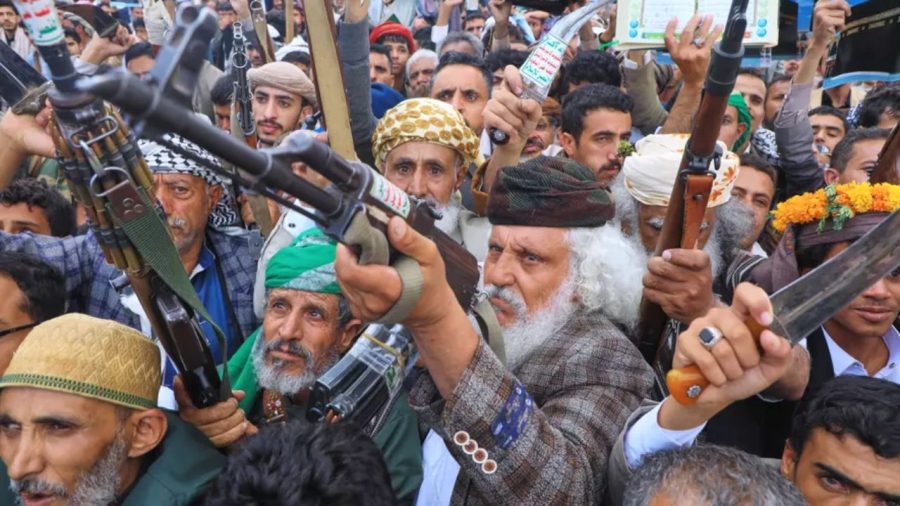



Turkiye and Pakistan are dispatching their top military commanders to Riyadh following an urgent summons from Saudi Arabia to implement the newly forged Mecca Joint Defence Agreement, amid a dramatic escalation in cross-border attacks by Iranian-backed Houthi forces in Yemen.
The Turkish Ministry of Defence confirmed on Friday that General Selcuk Bayraktaroglu, Chief of the General Staff, is travelling to the Saudi capital. Meanwhile, Field Marshal Asim Munir, Chief of Defence Forces for Pakistan, is also expected to arrive imminently. The high-level military summit follows talks in New York between Saudi Foreign Minister Prince Faisal bin Farhan, Pakistan’s Deputy Prime Minister Ishaq Dar, and Turkish Foreign Minister Hakan Fidan, where the trio agreed to operationalise their tripartite alliance.
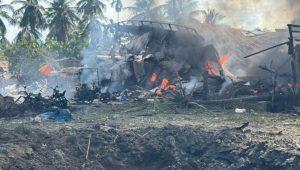
Signed on 7 August, the Mecca Joint Defence Agreement stipulates that an attack on any one of the three nations is treated as an aggression against all. The pact faces an immediate test as Houthi forces launch waves of ballistic missiles and armed drones targeting sensitive installations in Riyadh, alongside Saudi Aramco facilities in Yanbu. Whilst Saudi air defence systems intercepted six missiles over Taif and Yanbu, emergency alerts were issued across Mecca, Jeddah, and Yanbu.

Divergent tones amid Houthi deterrence
Despite Riyadh’s urgent calls for collective security, accounts from Islamabad and Ankara reflect a more calibrated stance. Whilst Turkish Foreign Minister Hakan Fidan reaffirmed Ankara’s alliance commitments and willingness to fulfill technical military needs, Turkish Parliament Speaker Numan Kurtulmus noted that the pact awaits formal parliamentary ratification following the legislative recess. Similarly, Pakistan has focused on administrative scaffolding, appointing retired Lieutenant General Nauman Mahmood as the alliance’s first Secretary-General to lead its Riyadh-based secretariat.


Analysts attribute this caution partly to direct Houthi warnings. Mohammed al-Bukhaiti, a member of the Houthi political bureau, threatened that Pakistan and Turkiye would face an “iron fist” should they intervene directly in Yemen. Military experts also point out that both nations face domestic and regional security pressures, ranging from Pakistan’s border friction with Afghanistan to Turkiye’s NATO obligations, limiting their capacity to deploy ground combat troops.
Religious mobilisation and western backing
The crisis has triggered strong rhetoric from the Saudi religious hierarchy. Grand Mufti Sheikh Saleh Al-Fawzan urged regional forces to stand united against the Houthis, describing border defence as a sacred duty. This was echoed by King Salman, who condemned Houthi attempts to strike targets near holy sites in Mecca.
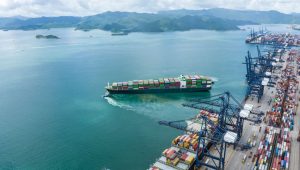
The military summit comes as Houthi forces consolidate control over Yemen’s Red Sea littoral, including the strategic port of Mocha and key vantage points along the Bab al-Mandeb Strait, jeopardising global shipping lanes and Saudi oil exports.
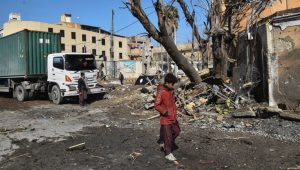
In response, Western powers have stepped up defensive measures. France confirmed it is sending troops, radar units, and air defence hardware to secure the Yanbu oil terminal, while Britain has agreed to provide aerial refuelling support for Saudi fighter jets. With coalition forces engaged in heavy fighting across Yemen, the Riyadh summit marks a critical juncture in shaping the region’s emerging defence architecture.