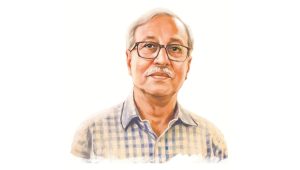
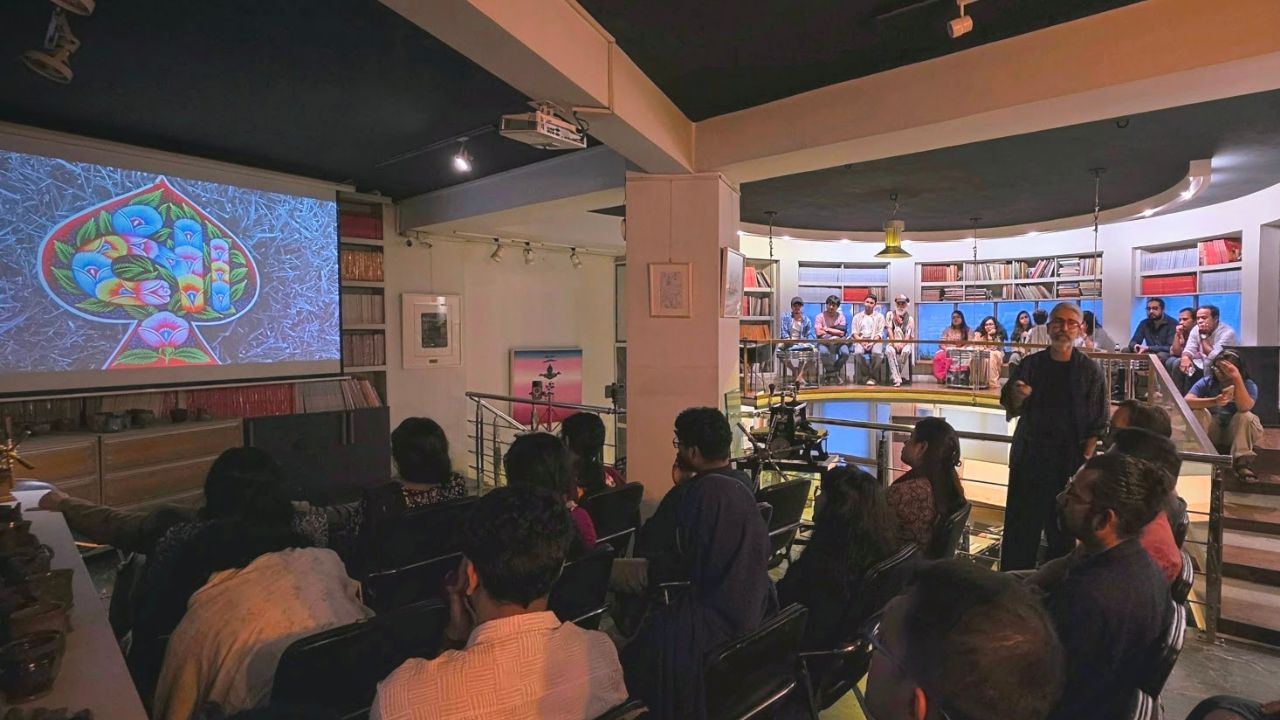
At a time when the direction of theatre in Bangladesh remained uncertain, a pioneer stepped forward with rare conviction. Selim Al Deen imagined a stage rooted in the soil, stories and rhythms of its people, challenging convention and working against scarcity. 18 years ago, on January 14, he passed away, yet the stages he transformed continue to echo his presence.
Even after 18 years, the Natyacharya remains one of the most influential figures in Bangladesh’s cultural history. Widely regarded as the pioneer of the country’s neo-theatre movement, he reshaped modern Bangla drama by grounding it in indigenous aesthetics, folk traditions and collective memory.
Born on August 18, 1949, in Senerkhil village of Sonagazi in Feni, Selim Al Deen was the third child of Mofizuddin Ahmed and Firoza Khatun. He began his education in Feni, completing his SSC at Mangalkandi Secondary School and his HSC at Feni College. He initially enrolled in the Bangla Department at Dhaka University, later graduated from Karatia College in Tangail, now Government Saadat College, and eventually completed his MA at Dhaka University.

Selim Al Deen’s intellectual and creative life found its true base at Jahangirnagar University. He joined the Bangla Department as a lecturer and later founded the Department of Drama and Dramatics, serving as its chairman. In 1995, he earned a PhD from the same institution for his research on medieval Bengali drama, establishing himself as both a scholar and a theatre practitioner.
A founding member of Dhaka Theatre, Selim Al Deen also co-founded Bangladesh Graam Theatre in 1981–82 with playwright and filmmaker Nasir Uddin Yousuff. Through this initiative, he expanded theatre practice beyond urban centres and into rural communities across the country.



His most notable plays include ‘Jaundice and Miscellaneous Balloons’, ‘Basan’, ‘Keettankhola’, ‘Keramatmangal’, ‘Chaka’, ‘Hargaj’ and ‘Nimajjan’.
Through poetic language, ritualistic movement and a deep engagement with history and myth, these works redefined dramatic form in Bangladesh.
Selim Al Deen died on January 14, 2008, at a private hospital in Dhaka. He was laid to rest near the central mosque on the Jahangirnagar University campus.
In recognition of his outstanding contribution to arts and culture, he received several honours, including the Ekushey Padak in 2007, the Bangla Academy Award in 1984 and the National Film Award for Best Dialogue in 1994.