


Bangladesh Maritime University (BMU) on Monday launched a citizen initiative to support the government in enforcing the 22-day nationwide ban on hilsa fishing, which runs from 8 to 29 October during the fish’s main spawning season.
The initiative was agreed at a stakeholders’ consultation on the Brood Hilsa Conservation Initiative held at the BMU Conference Room at Meghna Bhaban, reads a press release.
BMU Vice-Chancellor Rear Admiral M Niyamat Elahee attended the meeting as the chief guest.
Speakers said hilsa production had declined from 5.71 lakh metric tonnes in FY2022-23 to 5.29 lakh MT in FY2023-24 and 5.00 lakh MT in FY2024-25.
They identified overfishing, the use of illegal and fine-mesh nets, catching brood hilsa and jatka, bottom trawling, river pollution, siltation and climate change as the main causes of the decline.

Representatives of the Jatiya Matshyajibi Samity and the Center for Natural Resource Studies (CNRS) described a nexus among different groups that enables illegal fishing during the ban.
They said a war-like situation sometimes develops in Padma sanctuary areas such as Zajira, Shureshwar and Char Bhairabi, where poachers attack enforcement teams.
The BMU treasurer and the director of the Institute of Bay of Bengal and Bangladesh Studies, both former Coast Guard zonal commanders, shared their experiences of past brood hilsa operations.

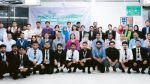

Participants praised the roles of the Coast Guard and Bangladesh Navy and called for a more proactive role during the ban.
In his address, the chief guest called for coordinated action involving the government, universities, researchers, fishing communities, law enforcement agencies and NGOs.
Expressing concern over the recent entry of hilsa into Bangladesh from Gujarat, India, he said the country must meet its demand by conserving its own hilsa stock.
He said BMU could help coordinate support to strengthen Coast Guard surveillance at key spawning grounds so that brood hilsa can reach them undisturbed.
The meeting agreed to set up a coordination cell at BMU with focal persons from each organisation. It also decided to seek a joint meeting involving BMU, the Navy and the Coast Guard with the director general of the Department of Fisheries on 8-9 October.
During the ban, the partners will conduct awareness campaigns at landing ghats, operate a community informant network, hold a mass gathering at a hilsa ghat in Barishal and monitor food assistance to fishers.
Proposals were also put forward for a national seminar, a ministerial-level Hilsa Think Tank and joint research on hilsa populations, breeding grounds and river pollution.
The Krishi Gobeshona Foundation signalled potential funding for research.
All NGOs and the Jatiya Matshyajibi Samity pledged full cooperation with the government’s ban.
Participants included Captain Mohammad Shahidul Haque, director, IBBBS, BMU; Md Abdul Wahab, BMU (convener); Nathuram Sarker, executive director (acting), and Md Khalilur Rahman, senior specialist, Krishi Gobeshona Foundation; Abdul Baki, Jahangirnagar University; Kazi Ahsan Habib and Mir Mohammad Ali, Sher-e-Bangla Agricultural University; Anisur Rahman, former director, BFRI; Md Shariful Islam, SAARC Agriculture Centre; Masood Siddiqui, CNRS; Zahidul Islam, COAST Foundation; Md Nasir Uddin Faruk, Shushilan; and Dadon Mia Sarder, vice-president, Jatiya Matshyajibi Samity.
Maria Zaman, associate professor, BMU, delivered the vote of thanks, closing the meeting.