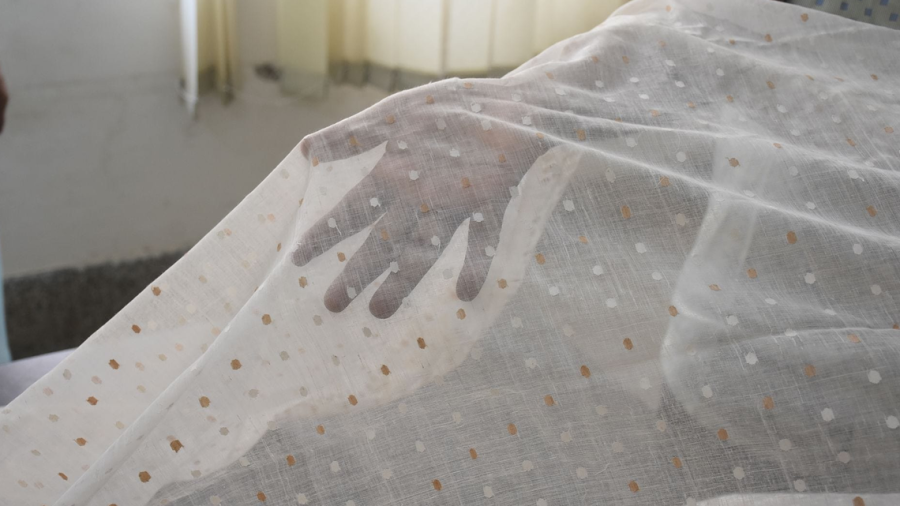



Bangladesh has a remarkable history of textile production dating back centuries. Long before the Industrial Revolution in England, the Bengal region was renowned for fine cotton and silk textiles. In East Bengal, local artisans produced exceptional fabrics, including the world-famous Dhakai Muslin and Jamdani, using locally available cotton and traditional hand-weaving techniques.
Muslin and Jamdani were historically produced in many parts of present-day Dhaka and surrounding regions, including Sonargaon in Narayanganj, Teetbary in Gazipur, Junglebary in Mymensingh and Bajitpur in Kishoreganj.
Today, the handloom sector provides livelihoods to around one million people, with women accounting for approximately 47-50% of the workforce, particularly in rural areas. According to the Bangladesh Handloom Census 2018, the country had 116,117 weaving units and more than 290,282 looms, producing approximately 47.474 crore metres of cloth annually and meeting around 28% of the country’s clothing requirements. The current number of handloom units declined by 36.73% compared to the 2003 Census and 45.33% compared to the 1990 Census.
These figures clearly indicate that the handloom sector is facing significant challenges, including rising input costs, limited access to finance, and increasing competition from power looms. At the same time, Bangladesh’s broader textile and apparel sector has emerged as the country’s principal export-oriented industry, accounting for 82.56% of total export earnings, contributing 13% to GDP and providing employment to 5 million people.
Among Bangladesh’s most valuable textile traditions, Dhakai Muslin occupies a unique position. Its exceptional fineness, softness and craftsmanship made it one of the most celebrated fabrics in the world. The production of this extraordinary textile was closely associated with the indigenous ‘Phuti Karpas’ cotton, traditionally cultivated in areas surrounding Dhaka. The fertile alluvial soils of the Meghna and Shitalakshya river basins were particularly suitable for growing this specialised cotton.

Historical accounts and traditions have associated the development and global recognition of Muslin with the ancient textile centres of Bengal. The fabric flourished particularly during the Mughal period, when Dhaka and Sonargaon became important centres of production and international trade. Muslin was exported to different parts of the world and attracted traders from the Netherlands, France and Britain. The rise of the Industrial Revolution in England, combined with restrictive colonial trade policies and changing patterns of textile production, contributed to the gradual decline of Bengal’s hand-spun and handwoven Muslin industry. Eventually, the traditional production system disappeared, taking with it much of the specialised knowledge associated with Phuti Karpas cultivation, spinning and Muslin weaving.
After nearly two centuries, Bangladesh has taken important steps towards reviving its historic Muslin tradition. Under the project “Revival of the technology for producing Muslin yarn and the weaving of Muslin fabric of Bangladesh’s golden heritage (1st Phase),” implemented by the Bangladesh Handloom Board, efforts have been made to restore both the cotton and textile technologies associated with Dhakai Muslin.
The initiative involved collaboration among experts from the Bangladesh Handloom Board, the Cotton Development Board and Rajshahi University. A Dhakai Muslin House was established at Tarabo in Narayanganj, while 316 spinners were trained, most of them women. Activities under the second phase of the same project commenced in July 2024, aiming to ensure the sustainability of revived Muslin production, conduct in-depth research, provide training, and develop and expand markets. These initiatives represent an important step towards rebuilding the human skills and technological knowledge required for Muslin production. Both ‘Dhakai Muslin’ and ‘Dhakai Phuti Karpas Cotton’ have also received Geographical Indication (GI) recognition in favour of the Bangladesh Handloom Board, strengthening their identity as distinctive products of Bangladesh.
The Cotton Development Board has been working on Phuti Karpas varietal improvement since 2018. Two improved lines, SR-25 and SR-28, have been developed, while a Phuti Karpas corner has been established at research farms of CDB. Phuti Karpas seedlings are also distributed to the cotton farmers each year. Meanwhile, researchers at the Institute of Biotechnology and Genetic Engineering (IBGE) of Gazipur Agricultural University have been working to improve fibre characteristics of wild genotypes of the same. Such research offers hope for producing exceptionally fine cotton fibres suitable for high-count and premium Muslin fabrics for the export market. The revival of Dhakai Muslin should not be viewed merely as the restoration of a historical textile. It can become an opportunity to create a new, high-value and knowledge-based segment within Bangladesh’s handloom industry.




Bangladesh’s modern textile and apparel industry is globally recognised for its scale and manufacturing capacity. Alongside this large industrial base, the country has an opportunity to develop a complementary market for premium, heritage-based and artisanal textiles. Dhakai Muslin, Jamdani and other traditional products can play an important role in this diversification.
To realise this potential, the cultivation of improved Phuti Karpas varieties should be expanded, particularly on suitable and currently underutilised land. At the same time, local farmers need appropriate technical support, quality planting materials and economic incentives. Equally important is the development of specialised skills among spinners and weavers so that the complete value chain from cotton cultivation to spinning, weaving, finishing and marketing can be strengthened. Such an integrated approach could create new livelihood opportunities for rural communities, particularly women, while preserving Bangladesh’s unique textile heritage.
The revival of Dhakai Muslin is also highly relevant to the global discussion on sustainable textiles. Hand-spun and handwoven fabrics generally rely on traditional, labour-intensive production systems and can create opportunities for rural employment and local value addition.
For Bangladesh, the future of cotton should therefore not be limited to large-scale industrial production alone. There is considerable scope for diversification into premium, sustainable and heritage cotton products that connect farmers, artisans, designers, brands and consumers.
On the occasion of World Cotton Day 2026, Dhakai Muslin offers a powerful example of how cotton can connect agricultural heritage with textile innovation, rural livelihoods and sustainable economic development.
Bangladesh now has an opportunity to transform the revival of Dhakai Muslin into a long-term national initiative. This will require stronger coordination among the Bangladesh Handloom Board, Cotton Development Board, universities, research institutions, private-sector textile enterprises, designers and development partners.
Investment in research, farmer incentives, artisan training, product development, branding and international marketing will be essential. Equally important will be establishing a reliable supply chain for Phuti Karpas cotton and preserving traditional spinning and weaving knowledge.
The country’s textile future should embrace both modern industrial manufacturing and its rich artisanal heritage. Diversification into high-value products such as Dhakai Muslin and Jamdani, together with innovative products made from non-conventional fibres such as banana, pineapple and bamboo etc., could create new opportunities for the handloom sector.
With appropriate policy support, investment and innovation, Dhakai Muslin can once again become more than a symbol of Bangladesh’s glorious textile past. It can become a distinctive, high-value and sustainable product for the future-linking cotton farmers, rural artisans, textile innovators and global consumers while contributing to Bangladesh’s economic development.
As Bangladesh celebrates World Cotton Day 2026, the revival of Dhakai Muslin reminds us that the future of cotton is not only about producing more fibre; it is also about creating greater value, preserving heritage, empowering communities and building a more sustainable textile industry.
The views expressed in this article are solely those of the author
The writer is the Former Executive Director, Cotton Development Board