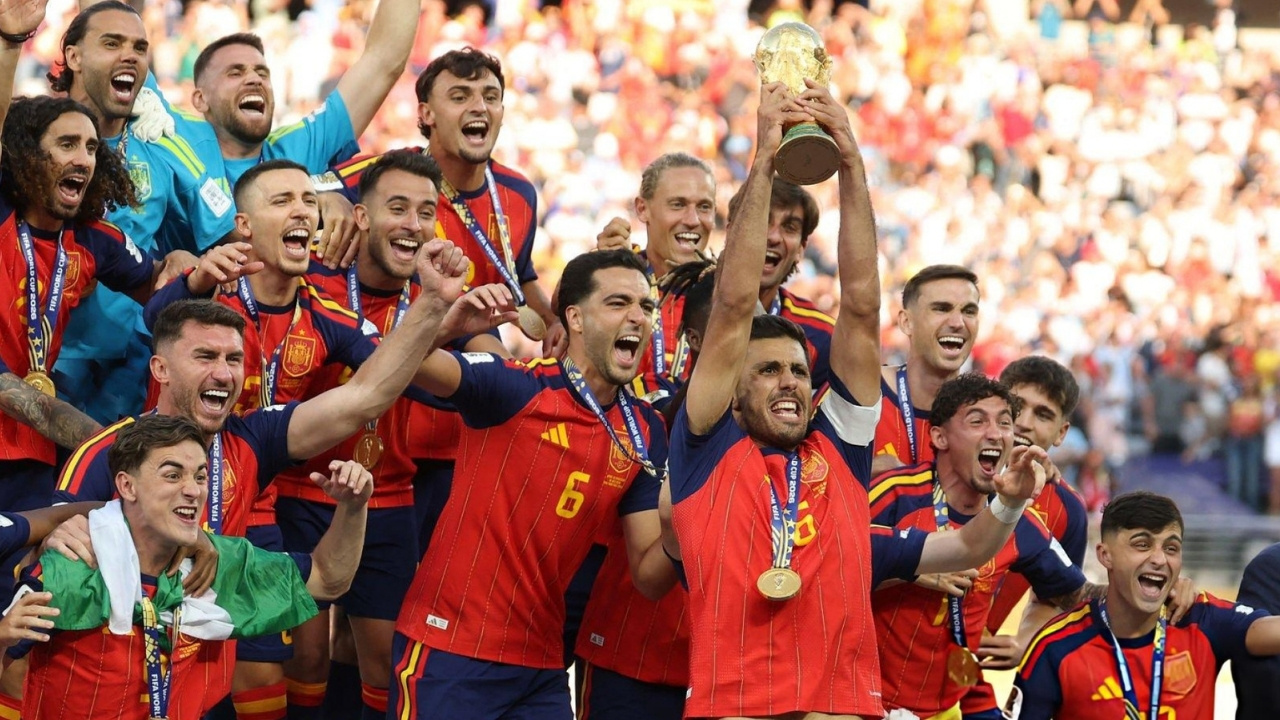
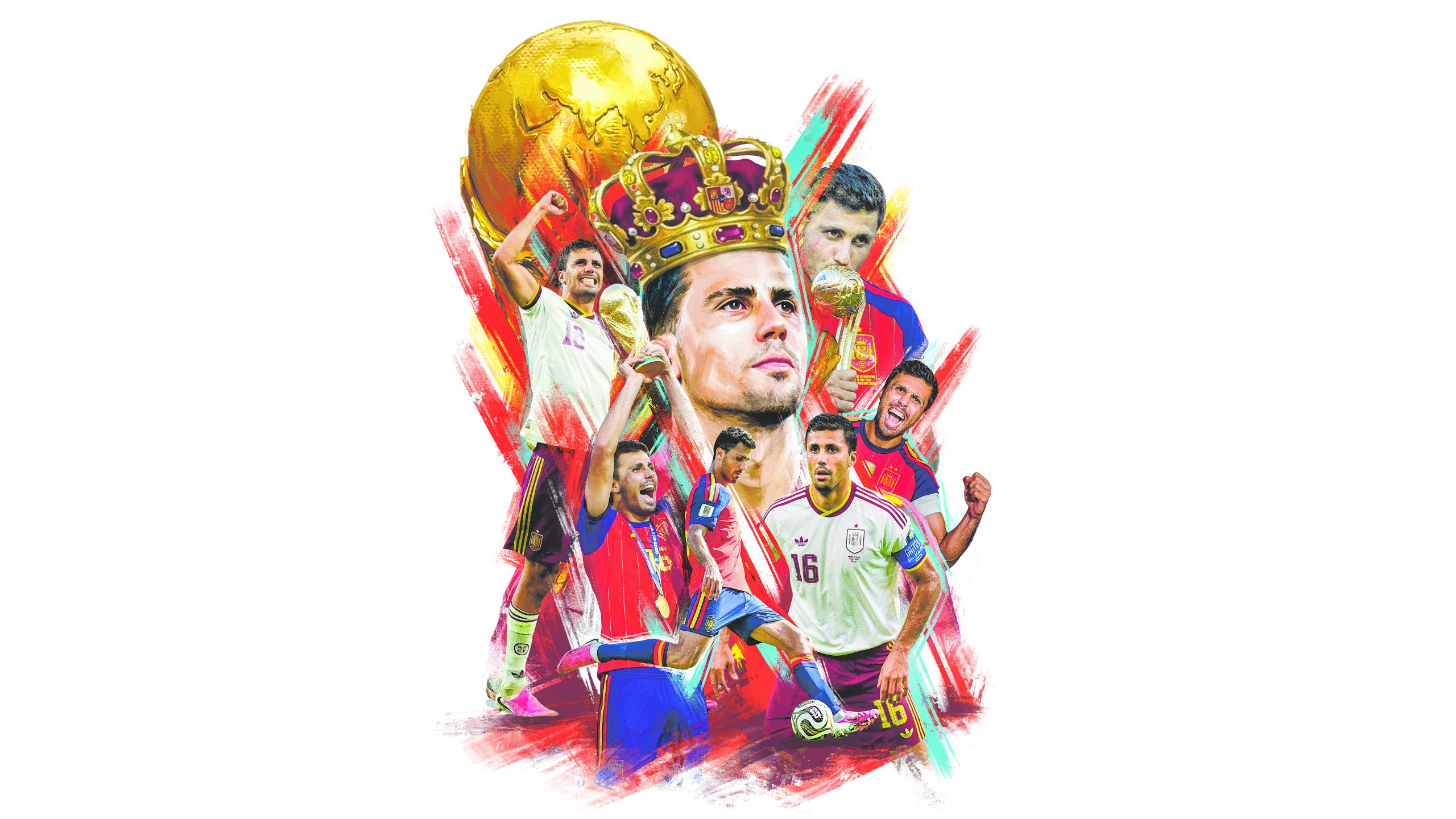

Greatness of a particular kind resists highlight reels.It does not arrive as a mazy dribble or a thunderous strike, and it rarely trends. It looks, more often than not, like a man walking into space nobody else has noticed yet, receiving the ball, and simply being somewhere useful. That is the greatness Rodri offered the world this summer, and it was enough to win him a World Cup, a Golden Ball, and a place in a conversation few midfielders ever enter.
By the time Rodri lifted the trophy, he had completed a set few players in history can claim: the Champions League, the World Cup and the Ballon d’Or, joining Lionel Messi in an exclusive club that eluded even Cristiano Ronaldo, Pele and Diego Maradona. He did it having spent 416 days on the sidelines across the previous two seasons, recovering from a ruptured anterior cruciate ligament sustained in September 2024, just weeks before that Ballon d’Or was confirmed.
A prediction that proved prophetic
Pep Guardiola, his manager at Manchester City for a decade before departing this summer, had seen this coming months in advance. “At the World Cup will be the best Rodri, and next season will be the best Rodri,” Guardiola said in October, as his midfielder pushed to return too early from injury and had to be protected from himself. Rodri had come back for the Club World Cup in June, just eight months after his injury, before being managed carefully through a hamstring setback and a slow reintegration that saw him start only 17 league games across the whole season. Guardiola’s caution was not popular with a player desperate to compete, but it proved well judged.
Spain had entered this tournament with Lamine Yamal cast as the poster boy, but anyone who watched closely knew the trophy would be decided in midfield. Rodri completed 790 passes across eight matches, shattering his own record of 638 set four years earlier, and finished the World Cup having played almost every available minute, a clear signal that his body had finally caught up with his football again.

Numbers that undersell the man
What makes Rodri’s Golden Ball so unusual is how little conventional data explains it. He did not score. He did not register a single assist. His pass completion rate, 93.2 percent, ranked only 44th at the tournament. His tackle count placed him 22nd, his interceptions 450th. Even in fouling, where his reputation suggests otherwise, he ranked just 97th among the competition’s most combative players. And yet no player in World Cup history has completed more passes in a single edition, his 756 for the tournament, rising to 790 by some counts, eclipsing every total ever recorded.
The explanation lies less in what Rodri does than in where he is. His 94.0 successful passes per 90 minutes was the highest average of anyone to play at least 400 minutes at this World Cup, surpassing even Xavi’s 84.3 in Spain’s triumphant 2010 campaign. Only two players managed more line breaking passes per 90 than his 15.2, and neither played close to his volume of minutes. He completed 91.9 percent of the 222 passes he attempted in the final third, more than any other player at the tournament managed in that zone. Spain, with him marshalling the base of their midfield, conceded a mere 2.37 expected goals across the entire campaign, 0.28 per 90 minutes, a figure so low it borders on the absurd for a team that went all the way to the final.
Suffocating France, then Messi himself
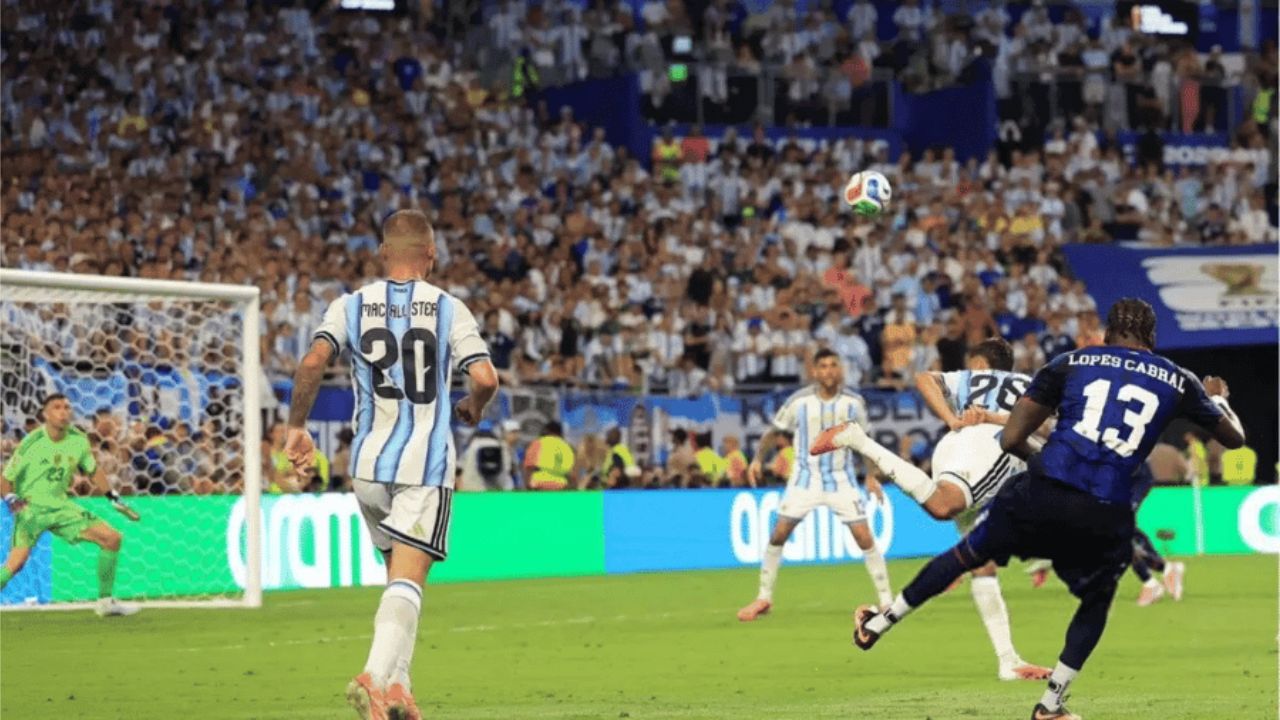
The clearest evidence of his influence arrived in the semi-final against France, when Rodri effectively strangled Michael Olise, the chief supplier to Golden Boot winner Kylian Mbappe. Olise and Mbappe failed to exchange a single pass in the first half. Olise lost the ball on 36.4 percent of his touches, more than 12 points above his previous tournament high. Rodri forced 19 turnovers that night alone, more than any other player on the pitch, with France’s Aurelien Tchouameni next best on 16. Spain won 55.9 percent of the match’s duels, condemning France to their lowest success rate in a World Cup game since 1978.
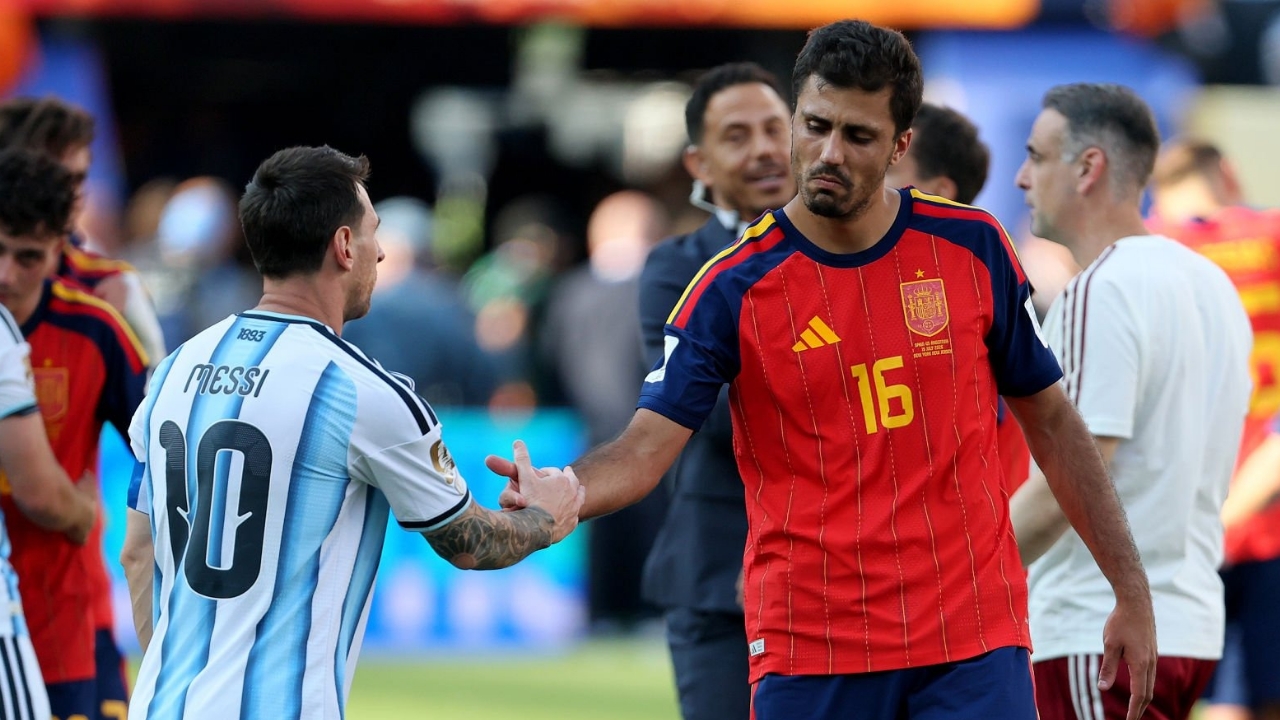
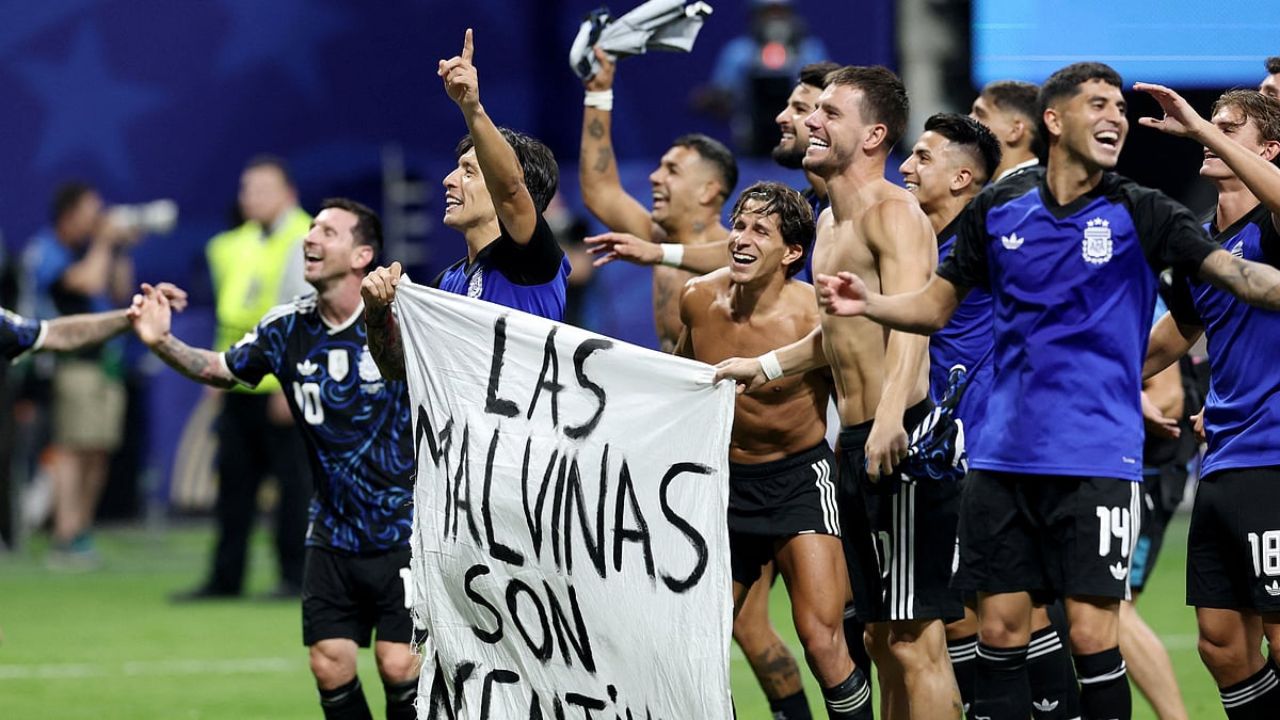
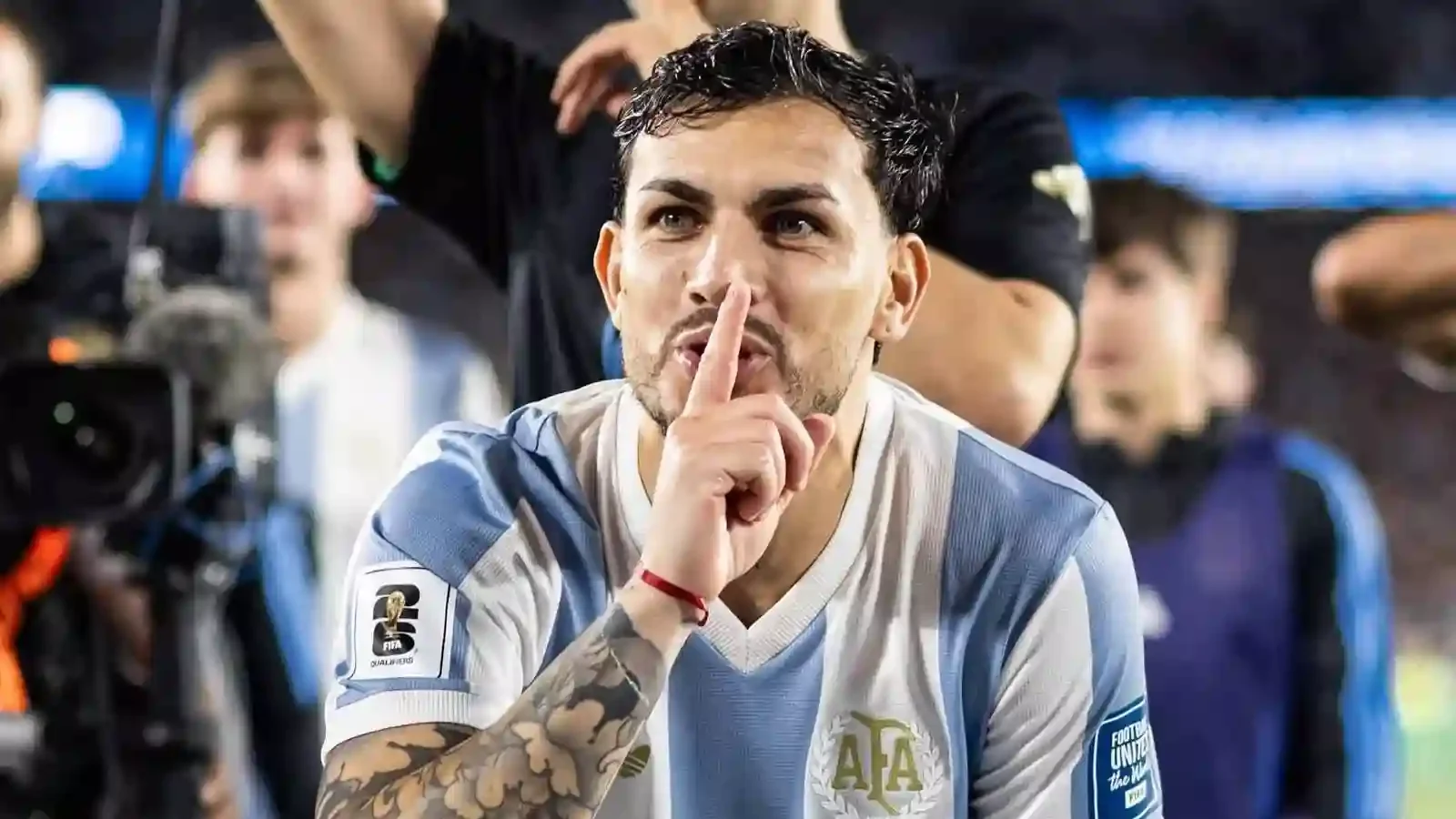
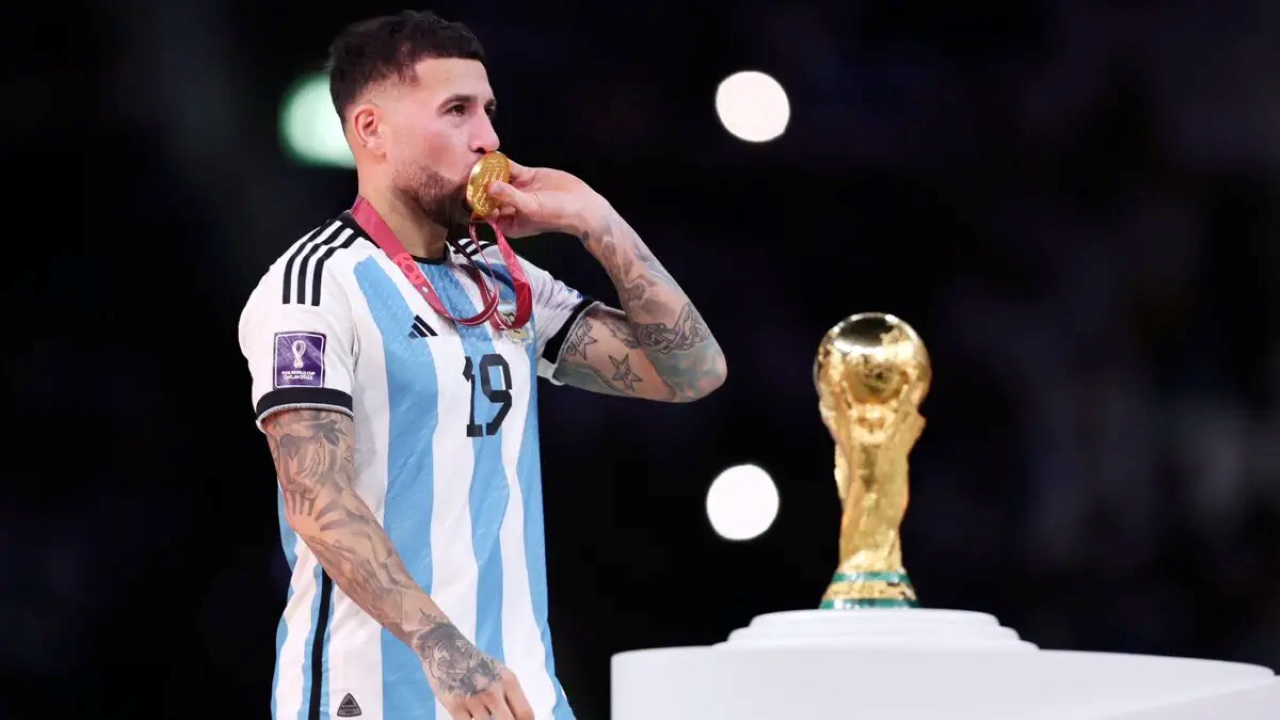
In the final itself, Rodri turned his attention to Lionel Messi, and the effect was almost total. Messi, so often the game’s great escape artist, began avoiding him “like a thief would a policeman,” as one observer put it, increasingly forced onto his weaker right foot rather than his lethal left. The most telling moment came in the 92nd minute of normal time, when Rodri dispossessed Messi just as he approached the penalty area, snuffing out a passage of play that, left unchecked, might have delivered Argentina an equaliser and an entirely different final. Rodri completed 101 of 106 passes that night, misplacing only five, and won 80 percent of his ground duels, above his own tournament average. His Sofascore rating of 8.5 was the highest of any player across the 120 minutes.
A journey that began in Connecticut
There is a pleasing symmetry to how this story started. As a teenager, Rodri’s father sent him to a summer programme in Connecticut, hoping the experience might steer his son away from football and toward academia. It did the opposite. Isolated from Spanish television, he begged staff at the camp for World Cup scores during the 2010 tournament, watching Spain’s semi-final win over Germany from a canoeing trip and screaming around a lake when Andres Iniesta scored the extra time winner in the final, watched on a smuggled internet stream. “I never felt so far from home, but also close to home,” he later said of that summer. Sixteen years on, he lifted that same trophy himself.
His development owed much to two contrasting mentors. At Atletico Madrid, Diego Simeone taught him the value of nastiness within the rules, of making opposing attacks miserable without resorting to reckless fouls. At Manchester City, Guardiola refined his positioning and passing range, turning a promising midfielder into the player Luis de la Fuente now calls Spain’s traffic controller, the man whose occupation of key spaces quietly drains belief from opponents.
Coming home a champion
Spain’s squad returned to a hero’s welcome, greeted by King Felipe VI and the royal family at Zarzuela Palace before an open top bus parade through Madrid drew crowds in the hundreds of thousands. “You have shown your grit, your resilience and your courage, always backed by your technical skill, your control and command of the game, combining head and heart,” the king told the squad. Rodri, holding the trophy aloft as he descended the team plane, called it the defining achievement of his career. “I’ve always said it, winning with your country is the most beautiful thing there is, above all a World Cup,” he said. “This generation grew up watching Casillas and Iniesta lift the cup, and that we can do it today is the biggest thing you can do in football.”
He was equally candid about the toll of the previous two years. “We’re a bit shocked right now, even myself. I think now we’re in a cloud, but for me it’s been a very tough time,” Rodri said. “I just want the new generations to see my example as an opportunity. When you go down, you can rise again. I want to thank all the people that helped me. But I want to thank myself, to be honest, in those moments.”
This was a World Cup marketed relentlessly around individual brilliance, Mbappe’s scoring record, Messi’s farewell, Yamal’s emergence, Haaland’s goals. Yet the player voted its finest was a 30 year old with no goals, no assists and a passing accuracy that did not even crack the tournament’s top 40. It marked the first time in 24 years that the Golden Ball had gone to a player who was not primarily a creator or a scorer, and it arrived only ten months after doubts persisted, even within Spain’s own camp, about whether Rodri would ever return to his previous level at all.