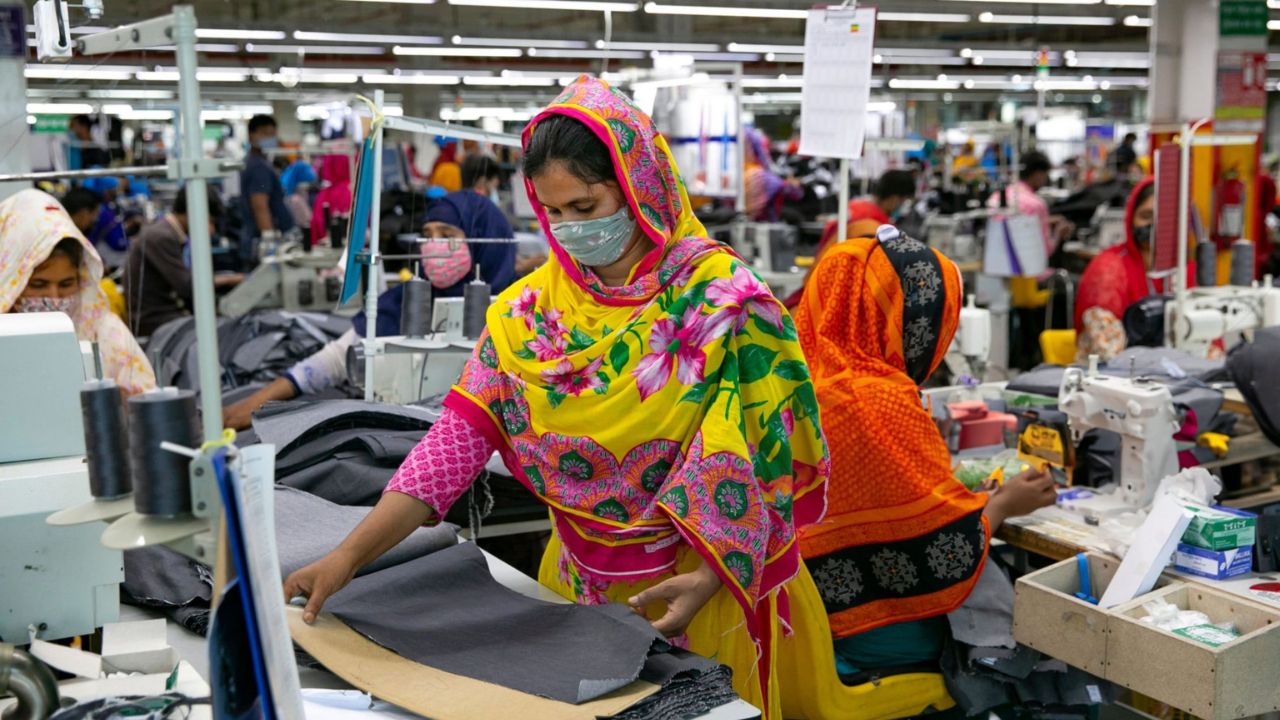
In a political shift of seismic proportions, Prime Minister Narendra Modi’s Bharatiya Janata Party (BJP) has successfully breached the eastern fortress of West Bengal for the first time.
By leveraging a potent combination of religious polarisation and deep-seated anti-incumbency, the BJP is poised to secure a thumping majority in a state where it was traditionally a marginal force.
Early results from the 4 May, 2026, count indicate the BJP is leading or has won in 208 out of 294 assembly seats – a staggering leap from its previous best of 77 in 2021. Meanwhile, Chief Minister Mamata Banerjee’s All India Trinamool Congress (TMC), which has governed the state since 2011, appears restricted to just 79 seats.
Polarisation and the anti-incumbency factor
According to an Al Jazeera analysis, BJP’s victory is being viewed as the culmination of a “hegemonic” electoral strategy that capitalised on underlying communal divisions.
Analysts suggest that the TMC’s long-standing emphasis on religious pluralism was successfully reframed by the BJP as “Muslim appeasement.”
This narrative gained traction even among former TMC supporters, with some voters expressing that Banerjee had “lost the track” by favouring minority rights over the majority.


Suvendu Adhikari, a key BJP leader and potential candidate for Chief Minister, attributed the win to a “Hindu consolidation,” though he also claimed that a portion of the Muslim vote had shifted away from the TMC.
Beyond identity politics, the TMC’s machinery faced a significant backlash due to its perceived interference in the daily lives of citizens.
While Banerjee’s women-centric welfare schemes remained popular, they were insufficient to offset the growing resentment regarding economic deprivation and the aspirational needs of the electorate.


Political analyst Praveen Rai noted that the TMC failed to offer a fresh vision to voters who had grown weary of an administration that seemed increasingly hostile to those outside its ideological fold.
Shadow of Disenfranchisement, Security
The lead-up to the election was marked by intense controversy surrounding the Election Commission of India’s (ECI) Special Intensive Revision (SIR) of the electoral rolls.
This exercise resulted in the removal of over nine million people – approximately 12 per cent of the state’s 76 million voters – from the voting lists.
Critics and activists argue that this disproportionately disenfranchised Muslim voters, with six million declared absentee or deceased and another three million unable to access special tribunals in time.
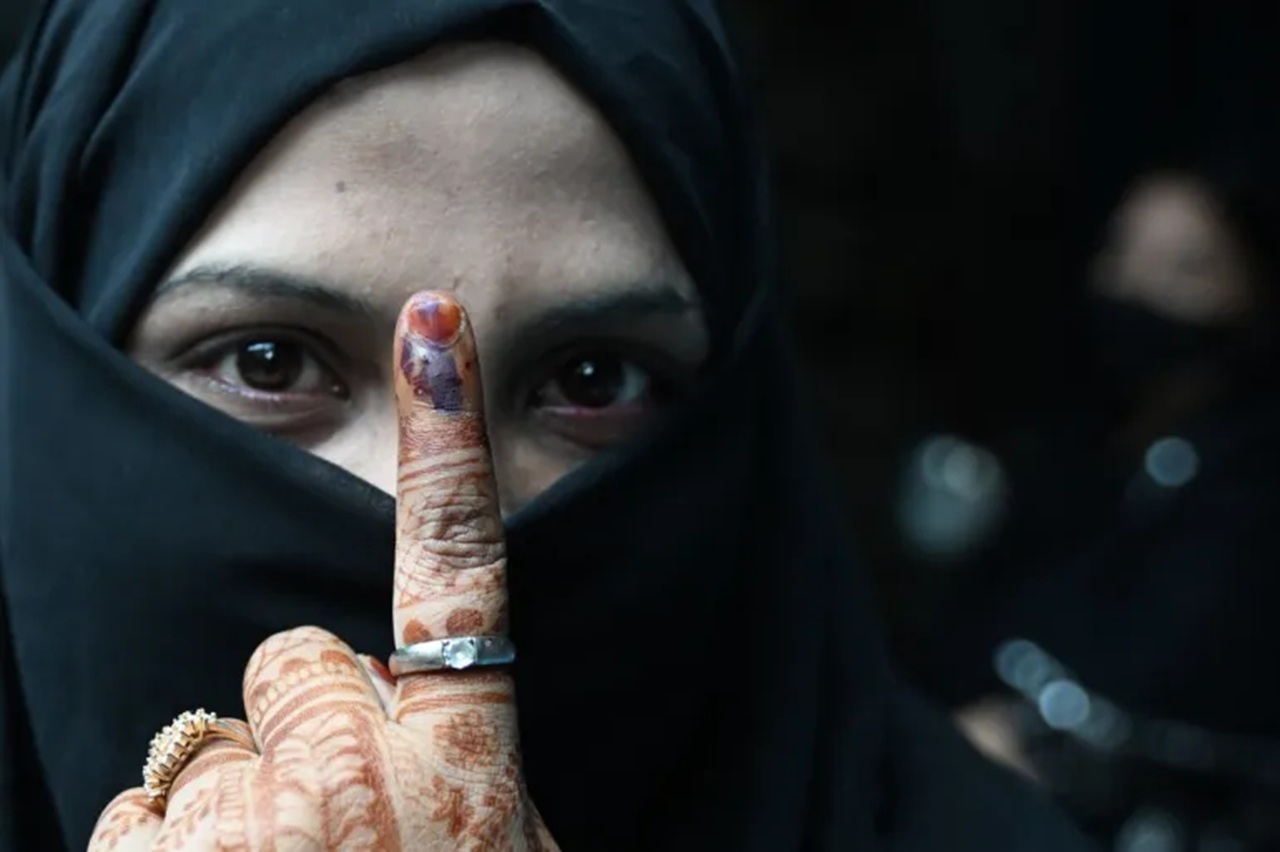
Despite these exclusions, the state recorded a record voter turnout of 92.93 per cent.
Further complicating the electoral landscape was the deployment of 2,400 companies of paramilitary troops, a record for a provincial vote.
While the federal government maintained these forces were necessary to prevent political violence, the TMC accused the centre of using them to intimidate fence-sitters and influence the outcome.
Neelanjan Sircar of the Centre for Policy Research observed that the uncertainty created by the voter revision meant it was no longer “politics as usual,” particularly for vulnerable populations.
Paradigm shift in national politics
The implications of the West Bengal result extend far beyond the state’s borders, substantially increasing Prime Minister Modi’s national standing.
After failing to secure an outright majority in the 2024 national elections, this victory – alongside a sweep in Assam and a BJP-led alliance win in Puducherry – effectively offsets previous electoral setbacks.
Conversely, the defeat is a major blow to the political capital of opposition parties nationwide.
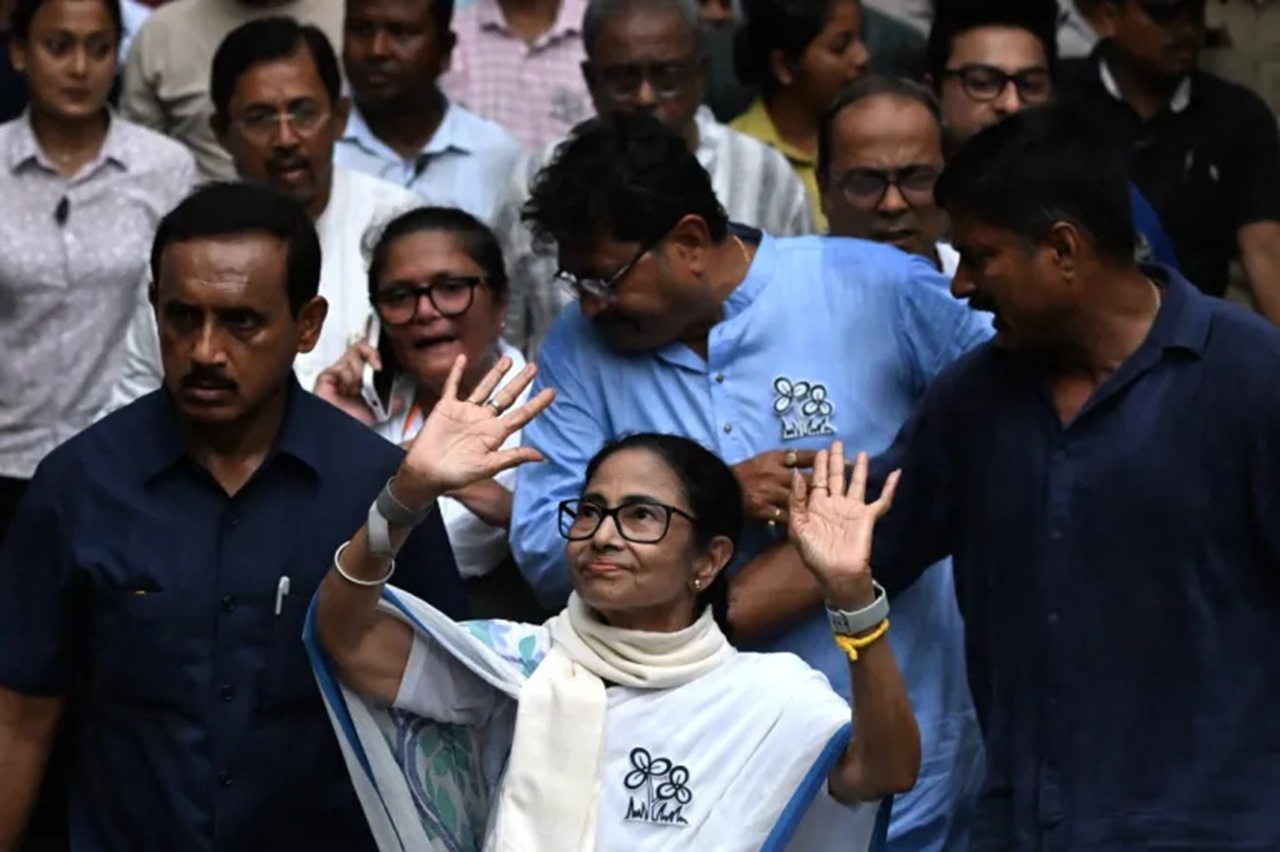
For Mamata Banerjee, the loss significantly weakens her prospects of emerging as a primary challenger to Modi on the national stage.
However, Chief Minister Mamata has remained defiant, urging her supporters to “fight like the cubs of a tiger” and accusing the central government of using forceful tactics to occupy TMC offices.
As the final ballots are tallied, analysts predict further political drama in a state that remains deeply divided by an urban-rural gap and intense ideological friction.