


Mohammad Aminul Islam
Dengue fever has become one of the fastest-growing mosquito-borne threats across the globe, particularly in Asia and Latin America. In Bangladesh, the outbreak has reached alarming levels. Hospitals are overflowing, doctors are stretched thin, and daily reports of new deaths dominate the headlines. Amid this crisis, a curious remedy has captured public imagination: papaya leaf extract.
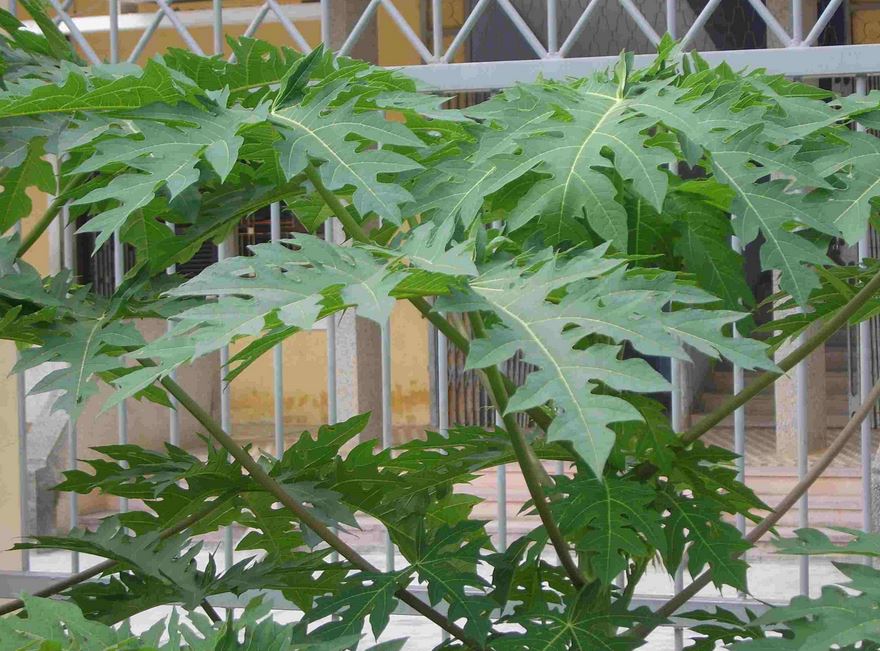
Across Bangladesh, many families are convinced that drinking papaya leaf juice can boost platelet counts and save lives. The idea is not unique to Bangladesh; similar claims surfaced in India, Sri Lanka, and parts of Southeast Asia during earlier dengue surges. Shared widely on Facebook, WhatsApp, and YouTube, papaya leaves have become a symbol of hope in the face of despair.

But does the science support it? What the Evidence Says? Some small-scale studies have found bioactive compounds in papaya leaves that might stimulate platelet production. These findings, however, are preliminary and far from conclusive. Large, rigorous clinical trials—the gold standard of medical science—have yet to confirm either the efficacy or the safety of papaya leaf therapy.
In the meantime, overreliance on such folk remedies can be dangerous. If families delay hospitalization in the belief that papaya leaves are a cure, patients may miss the critical treatment window. Moreover, raw papaya leaf extract can cause nausea, diarrhea, and even liver toxicity in some cases.




So why people believe? The popularity of papaya leaves is not simply a matter of ignorance. It reflects deeper gaps in public health systems. When hospitals run out of beds, when official messaging is unclear, and when treatments feel inaccessible, people turn to whatever remedies they can find—especially those that are natural, cheap, and available in their backyards. In Bangladesh, as elsewhere, papaya leaves embody the desperate search for agency amid a failing system.
What Needs to Be Done? First, governments and universities in dengue-prone countries must invest in high-quality, collaborative research to rigorously test such remedies. If papaya leaves are effective, they should be validated, standardized, and safely incorporated into treatment protocols. If not, the public deserves clarity.
Second, public health communication must improve. Authorities need to strike a delicate balance: acknowledging people’s hopes without encouraging false confidence. Papaya leaves may one day prove useful, but right now, the surest way to save lives is timely hospitalization, adequate fluid management, and strict clinical monitoring.
Now lets have a look in the bigger picture. The papaya leaf debate is a microcosm of a global problem: the collision of misinformation, fragile health systems, and public desperation. From herbal COVID cures in Africa to “miracle” cancer diets in Europe, the pattern repeats. When trust in formal healthcare falters, unverified remedies thrive.
Bangladesh’s dengue crisis should therefore be a wake-up call. Combating epidemics is not only about vector control or hospital care—it is also about building trust, communicating clearly, and grounding public health in science rather than hearsay.
The writer is a Public Health and Communication expert