By mid-morning, Khatunganj is already in full motion. Men weave through impossibly narrow lanes, balancing sacks of onions and garlic on their shoulders. Trucks stand wedged between crumbling buildings, their engines idling in frustration. It is a place where commerce never quite pauses.
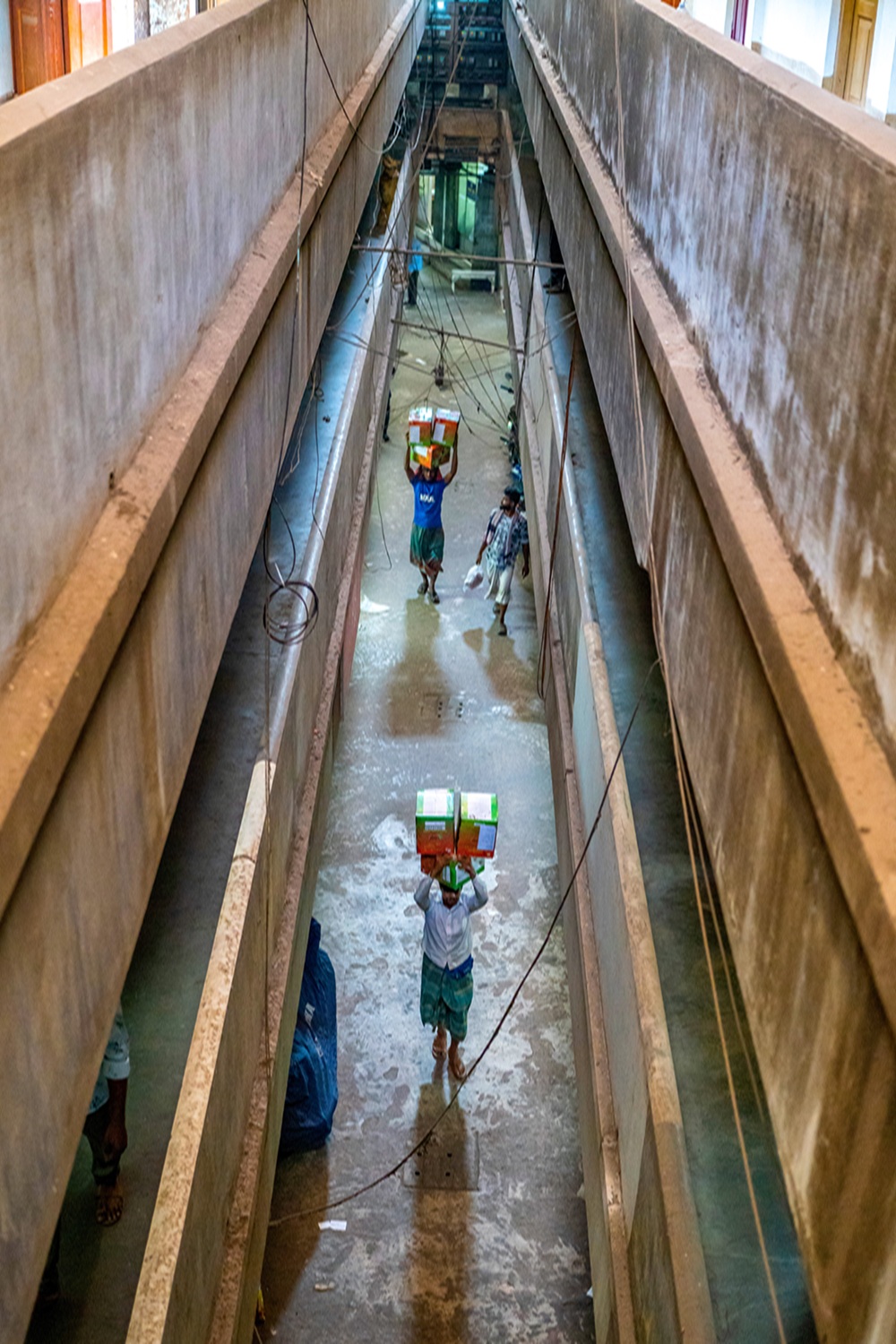
For decades, this wholesale market in Chattogram has been called the lifeline of Bangladesh’s economy. With around 5,000 shops and warehouses packed into a dense urban pocket, Khatunganj handles daily transactions worth Tk 2,000 to 2,500 crore, supplying nearly 40 per cent of the country’s consumer goods demand.
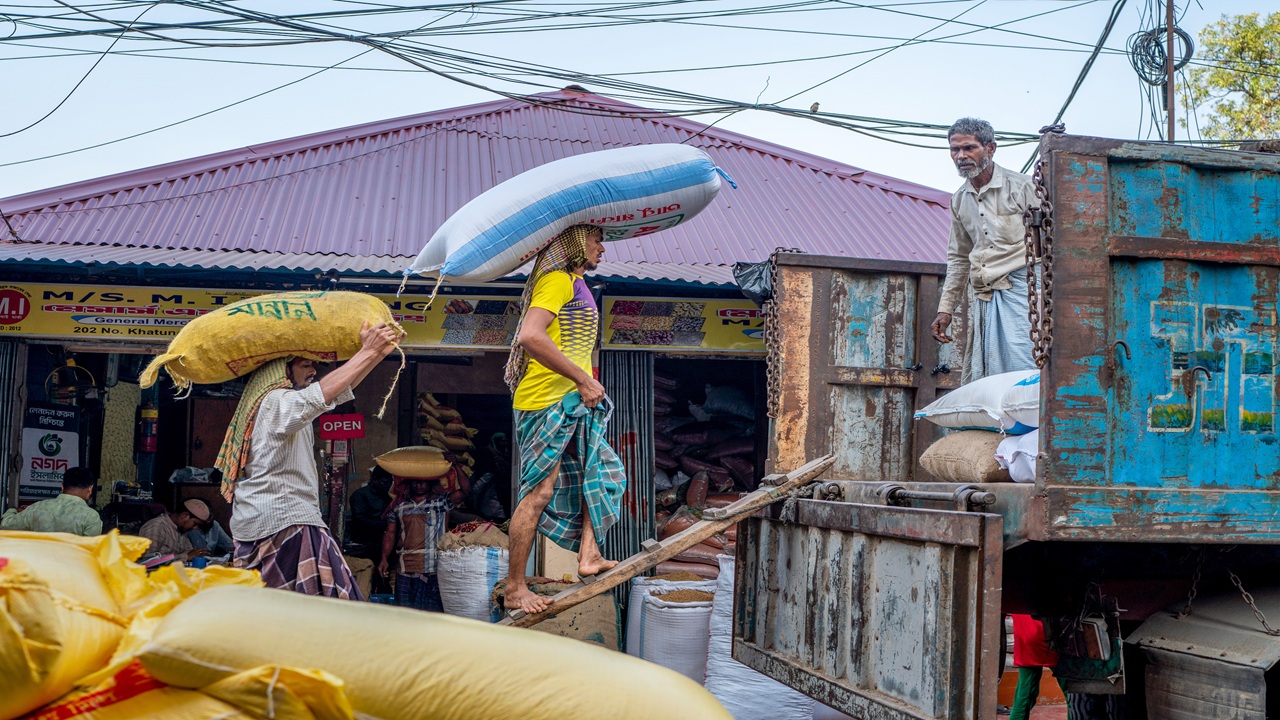
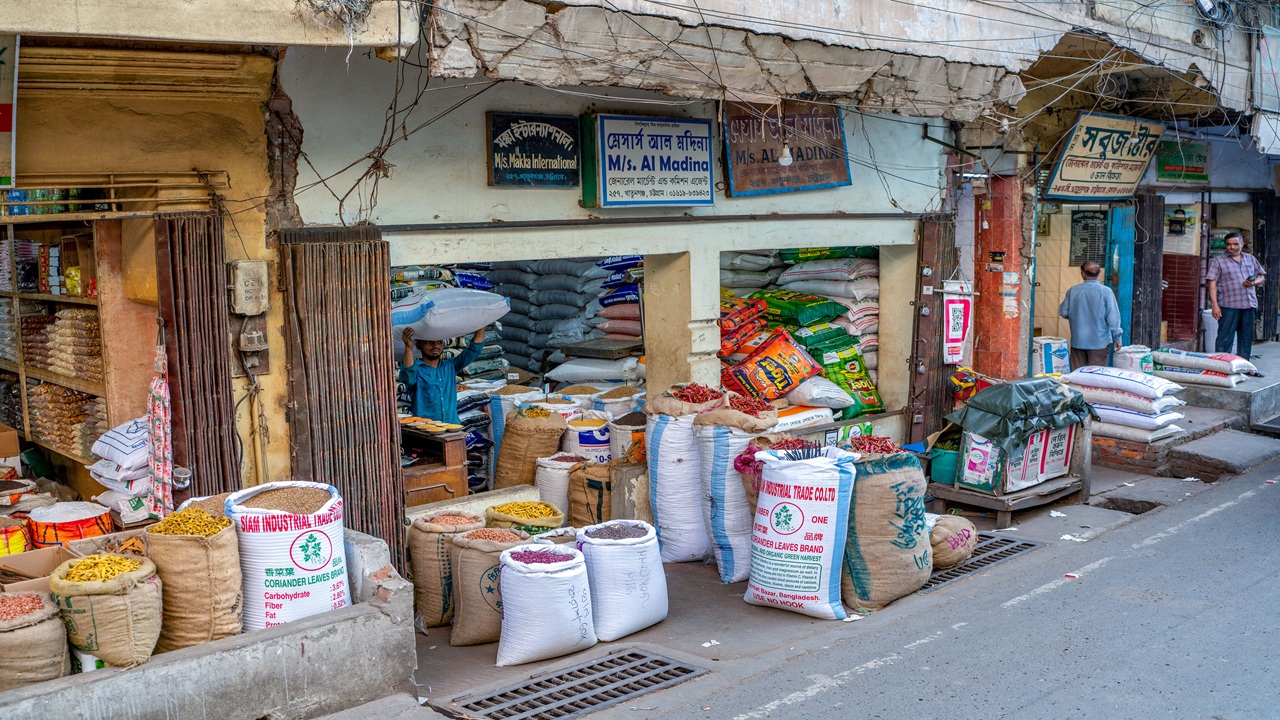
Spices, grains, pulses: goods that sustain kitchens across the country, move through these crowded corridors before reaching their destinations. Yet behind this relentless flow lies a system struggling to keep pace with time.

The roads tell the story first. Built in another era, during colonial rule, narrow alleys were never designed for the scale of modern trade. Today, covered vans and trucks compete for space with handcarts and pedestrians. Movement becomes slow, chaotic, and often dangerous. With no dedicated walkways, people walk inches away from moving vehicles, turning everyday errands into calculated risks.
The congestion spills beyond the market. Asadganj and Kotwali Junction frequently choke under pressure, as trucks park wherever space allows. Without designated terminals, loading and unloading happen on the streets themselves, freezing traffic in long, impatient lines.




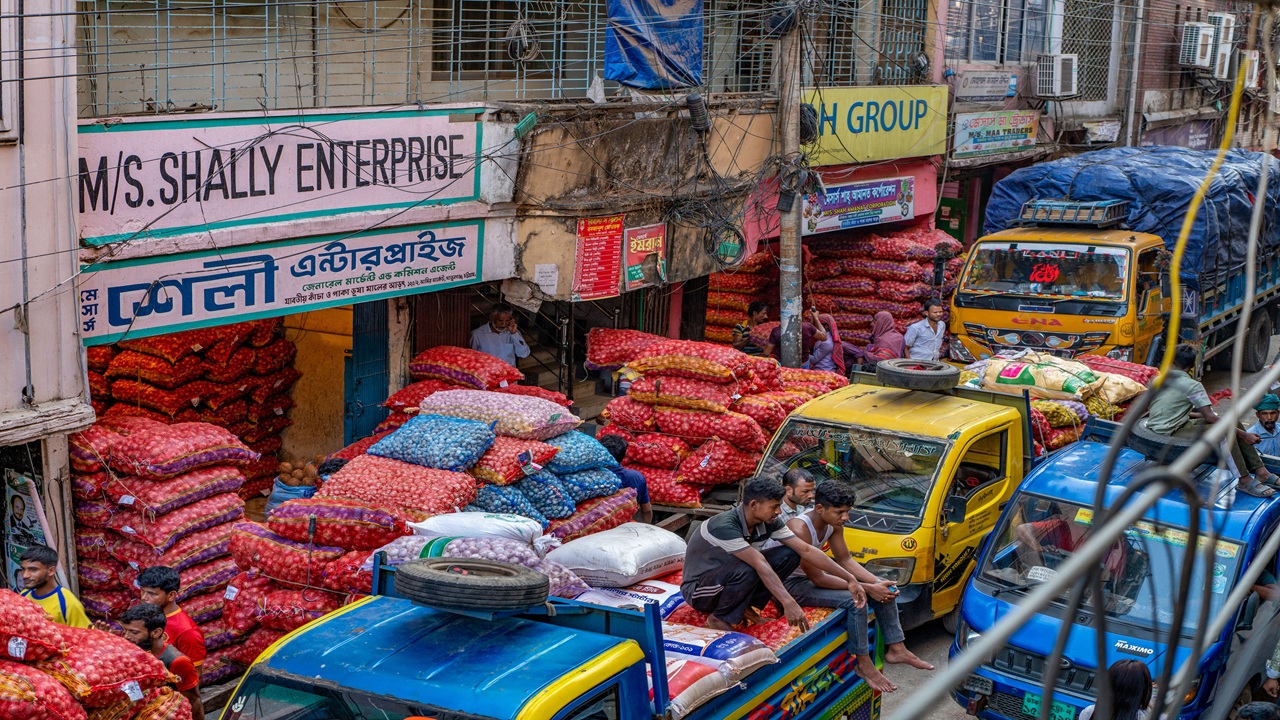
Above this chaos rise ageing buildings, their fading facades hiding deeper vulnerabilities. Cracked walls, exposed wiring, and weakened structures stand as silent warnings. Fire remains a constant fear; one spark in this tightly packed maze could spiral into disaster, especially when emergency vehicles would struggle to enter in time.
Inside these buildings, traders stack heavy goods on ground floors, avoiding upper levels they no longer trust. It is a compromise born of necessity, but one that adds another layer of risk.
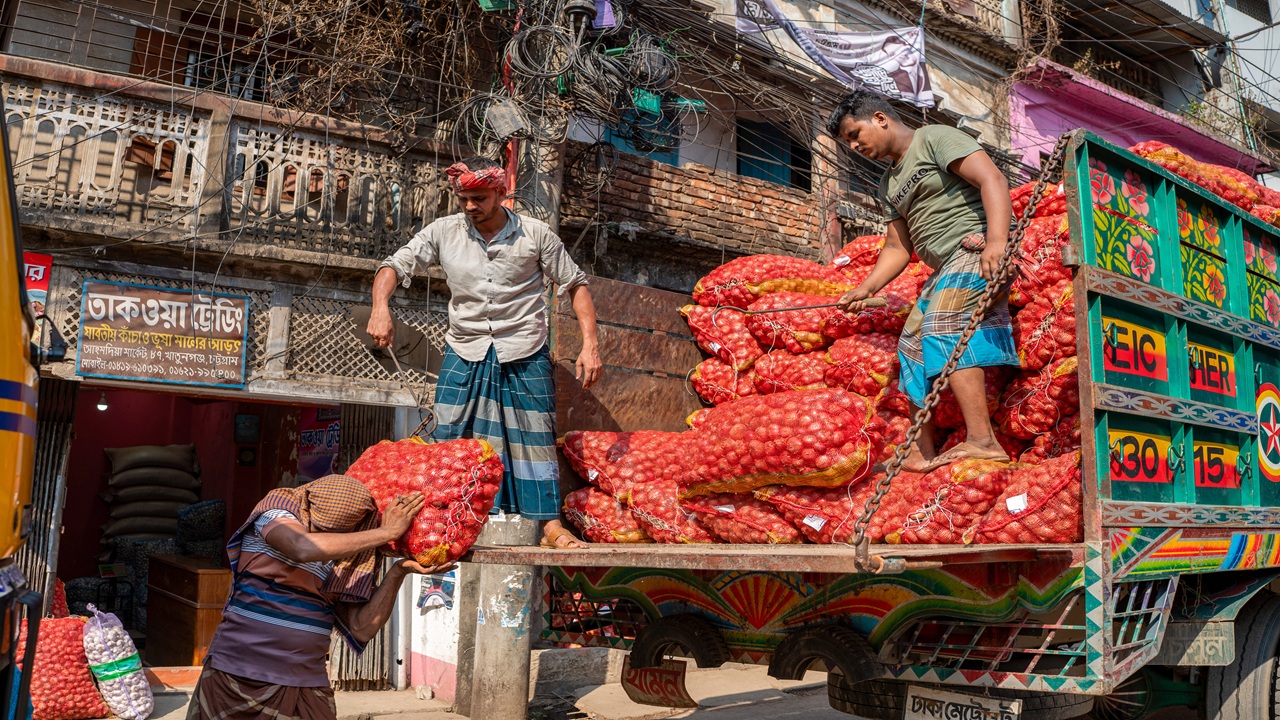
There are also signs that the market’s dominance is no longer what it once was. Traders say the number of large importers and wholesalers operating from Khatunganj has declined over the years. Some have shifted operations to more modern, better-connected logistics hubs outside the congested city core. Yet the market’s deeply rooted networks of credit, relationships, and supply chains continue to hold it in place.
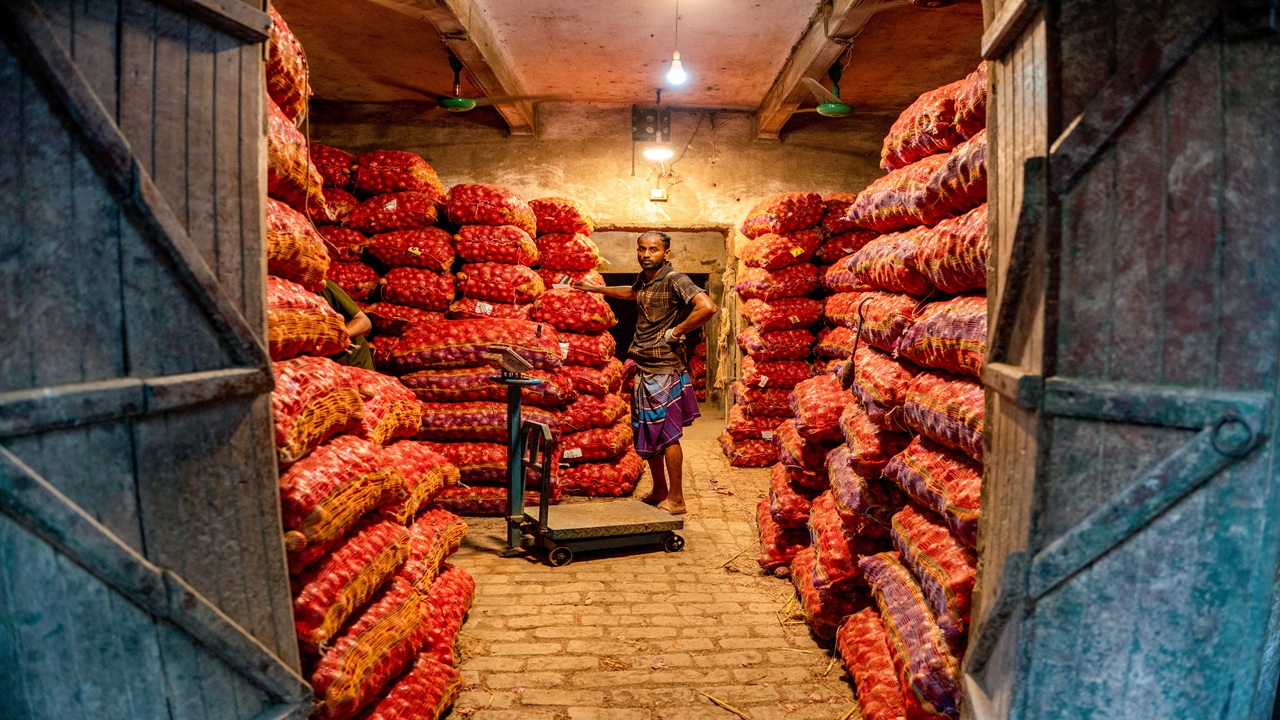
Beyond trade, there is life. Families live here, too. For them, Khatunganj is not just a market but a home. Yet the same streets that sustain the nation often restrict their own movement, making daily life particularly difficult for women, children, and the elderly.
Khatunganj endures, resilient but worn. It remains the heart of commerce, but one that now beats under pressure, in urgent need of renewal.