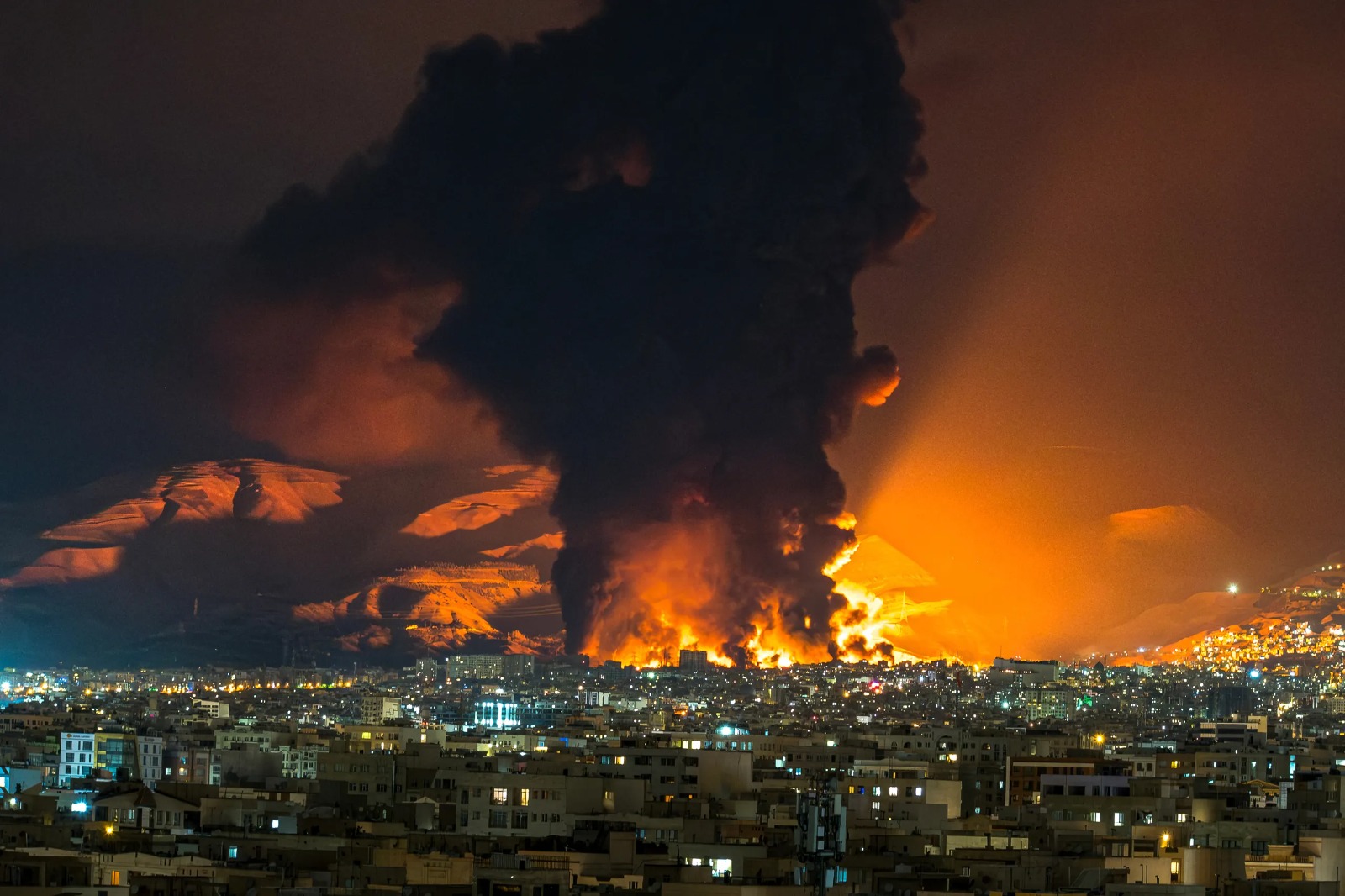
When the skies over Tehran turned an ominous shade of grey last week, residents initially feared only another violent night in a city already hardened by conflict. What followed was something far stranger and potentially more insidious: black rain.
After jets and missiles struck fuel depots and oil facilities around Iran’s capital, clouds of thick, sooty smoke billowed high into the air. When rain finally fell, it did not wash the streets clean. Instead, droplets heavy with chemicals, hydrocarbons and soot washed down from the fires, covering surfaces with an oily film and leaving residents bewildered and alarmed.
For many Tehranis, the sight of rain streaked with black was surreal. “It looked like ink in the gutters,” one resident later described on social media, echoing reactions now seen around the city. What might once have been dismissed as a vivid metaphor is now a tangible public health concern.

The black rain is more than a visual oddity; it is a manifestation of pollutants generated by war, borne out of smoke that mixes with rainwater and returns to the ground laden with toxic compounds.




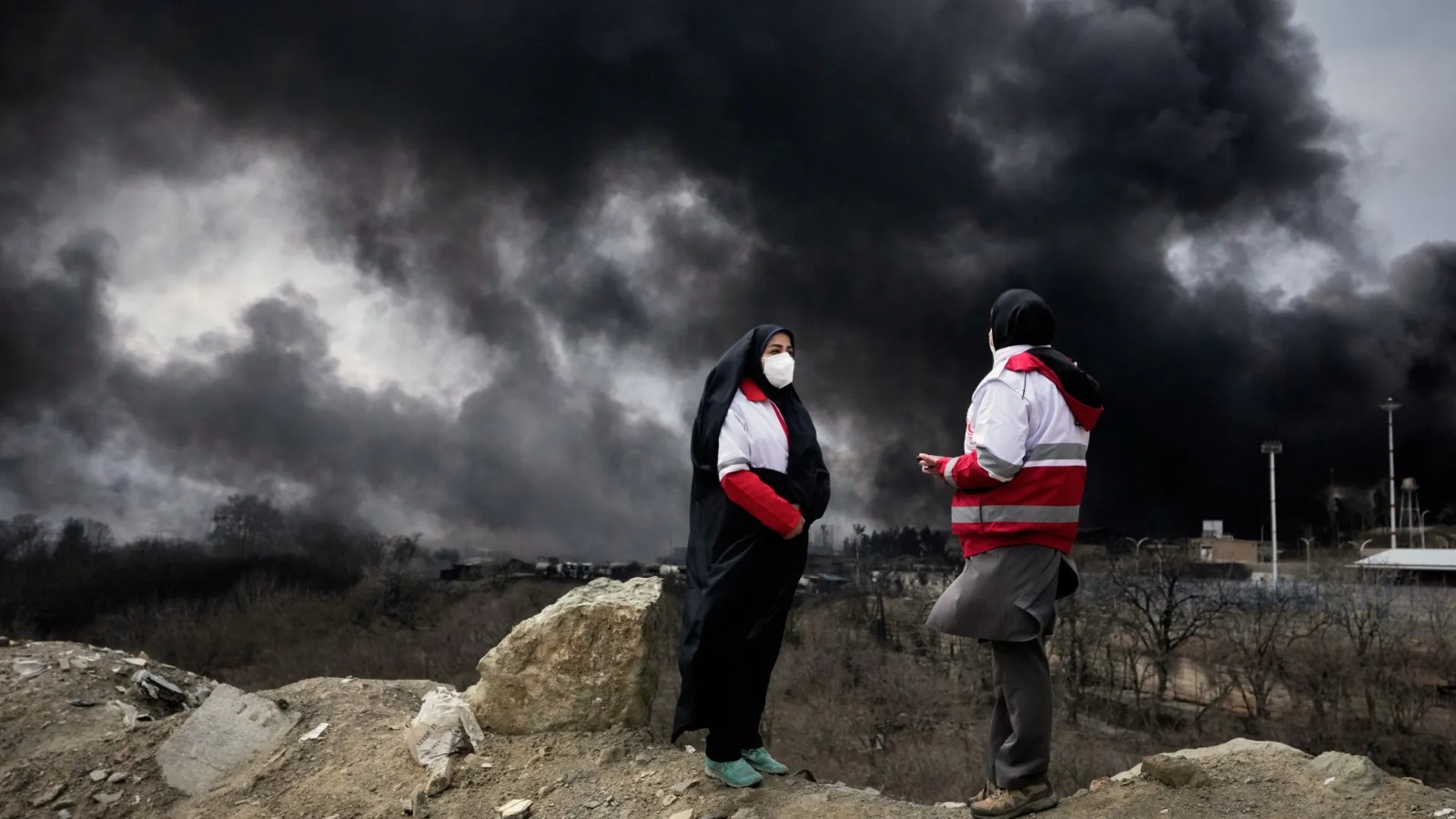
Health officials, including representatives from the World Health Organization, have issued stern warnings, reports AP. The contaminants suspected in the rainfall are known to irritate eyes, skin, lungs and long-term exposure can carry heightened risks of chronic respiratory disease and cancer.
In the short term, doctors report spikes in breathing difficulties and discomfort among people caught outdoors during or after the downpours.


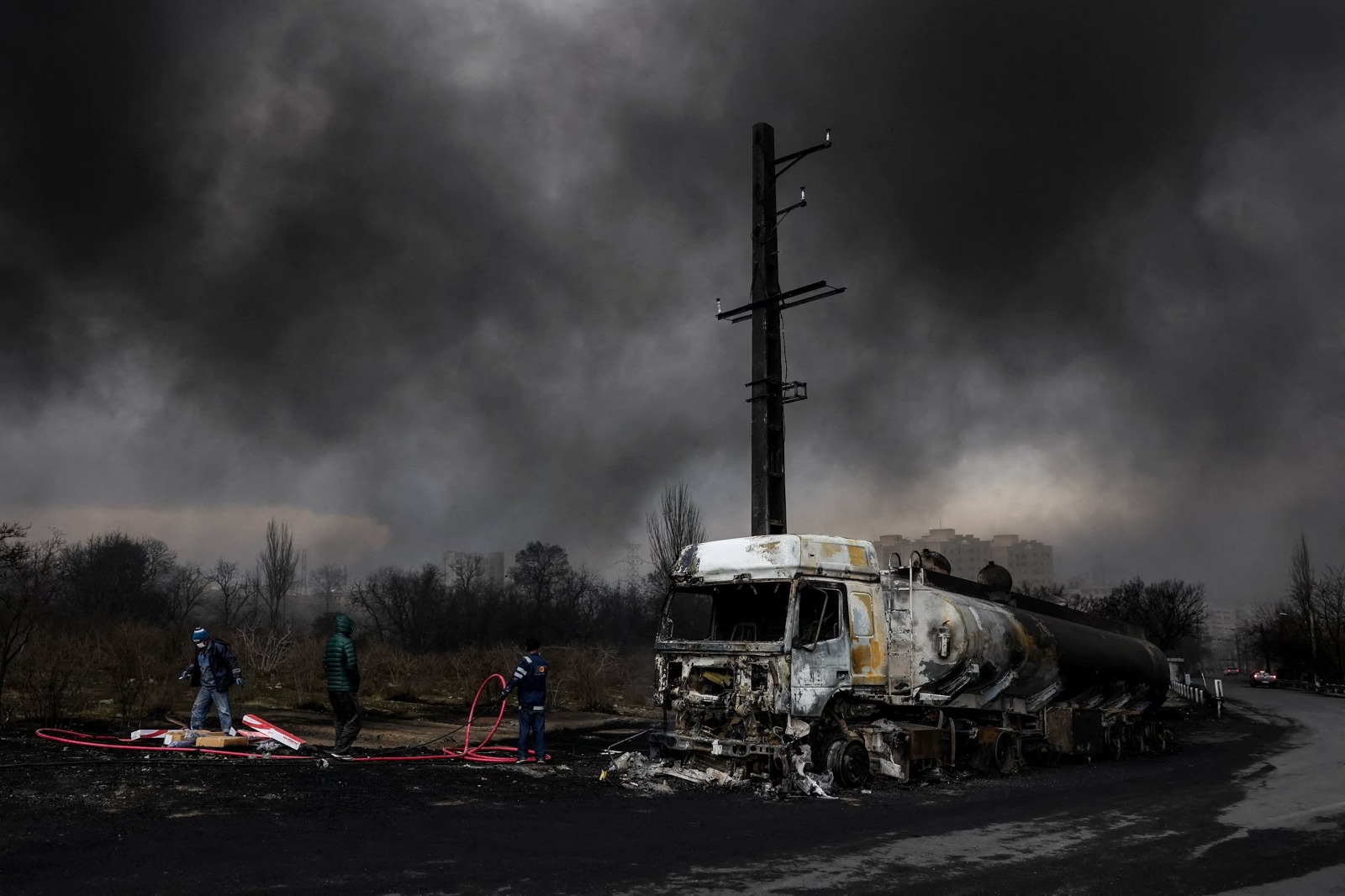
This episode has also reignited global questions about how wars harm not only human lives but the environment. International law requires belligerents to avoid unnecessary damage to the environment and civilian infrastructure. But this principle is now under scrutiny as Iranian oil depots, not strictly military installations, become battlegrounds.
In the streets of Tehran, people are adapting to a new normal: masks, closed windows and caution when stepping outside. Experts fear the rain’s toxic legacy could seep into soil and water systems. In a conflict defined by geopolitics, it is this slow, creeping threat that may leave the longest mark.