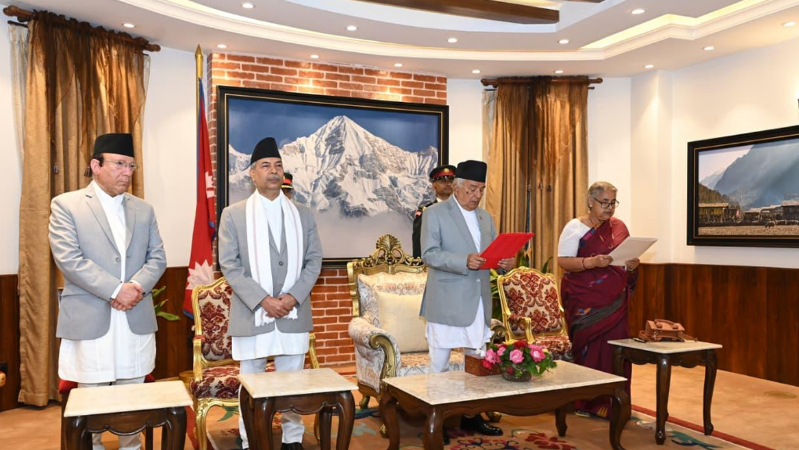

Sushila Karki, former Chief Justice of Nepal, has made history by being appointed as the country’s first female Prime Minister. Her appointment marks a significant milestone in Nepal’s political history, as she takes charge of the interim government following the resignation of the former Prime Minister amidst ongoing protests.
The swearing-in ceremony took place on Friday evening, September 12, 2025, at the official residence of the President, Shital Niwas, where President Ramchandra Poudel administered the oath of office. This appointment, under Article 61 of Nepal’s constitution, is seen as a strategic response to the political crisis that followed widespread protests by the youth-led ‘Gen-Z’ movement.
Earlier in the day, major political parties reached a consensus after lengthy discussions, agreeing to dissolve the parliament and form an interim government. Following intense pressure from protesters, including a potential blockade of the President’s residence, President Poudel appointed Karki, affirming her as the only viable solution to end the political deadlock.

This move comes after several prominent names were considered, including Kathmandu Mayor Bidhendra Shah and former energy minister Kul Man Ghising, but ultimately Karki’s name was endorsed due to her track record of integrity and reformist leadership.
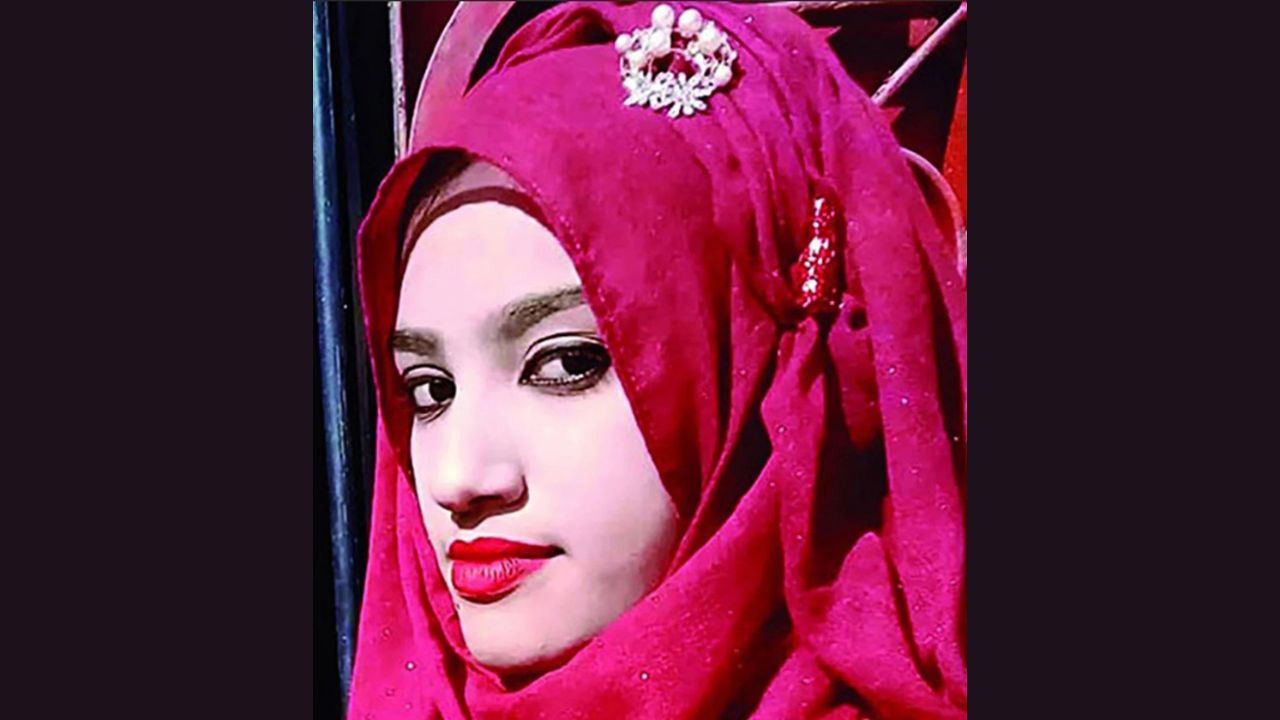


Karki’s appointment is seen as a potential turning point for Nepal, with high hopes for the implementation of anti-corruption measures and constitutional reforms. Her previous tenure as Chief Justice of Nepal, particularly her bold stance against corruption, has earned her respect across political divides.
Born on June 7, 1952, in Biratnagar, Karki served as Nepal’s first female Chief Justice in 2016. During her career, she earned recognition for her strong opposition to corruption and was instrumental in several high-profile rulings, including convicting former Minister Jayprakash Gupta in a corruption case.
Her leadership is expected to guide Nepal through a period of constitutional reform, with the youth-driven movement anticipating significant changes in governance and anti-corruption policies.