

The right to hold a passport is not a privilege granted by political favour; it is a fundamental right of citizenship. A passport is more than a travel document – it is proof of identity, nationality, and belonging to one’s own country. When any government uses this right selectively, based on political affiliation, suspicion, or administrative prejudice, it risks undermining the very principles of justice, equality, and democratic governance.
Before addressing the broader issue, it is important to acknowledge a legitimate concern that has existed for years. Successive governments, unfortunately, diluted the significance and prestige of diplomatic passports by extending them to numerous individuals who were neither career diplomats nor entitled to such privileges by professional necessity. The practice politicised and weakened the value of a document traditionally reserved for career diplomats and state representatives serving abroad. However, correcting the misuse of the process of conversion of diplomatic passports should never have resulted in denying ordinary national passports to eligible citizens. Every Bangladeshi citizen who has no criminal conviction or legal restriction must have equal access to a passport without discrimination, intimidation, or political targeting. This is not merely an administrative matter; it is a constitutional and human rights issue.
Regrettably, the previous interim administration adopted practices that appeared to punish individuals merely because they had served under earlier governments or had once possessed diplomatic passports. Many respected public servants, professionals, academics, and former officials became victims of an unofficial but widely understood system of suspicion and exclusion. Instead of evaluating applicants according to law and due process, the authorities often relied on political labelling and arbitrary scrutiny. Regrettably, Yunus and his unelected administration were engaged in creating division in the society and introduced the politics of division by making people and groups stand against each other rather than encouraging them to stand shoulder to shoulder.
A democratic state certainly has the responsibility to ensure national security. No reasonable person would oppose proper verification procedures designed to prevent fraud, identity theft, terrorism, or illegal migration. However, security mechanisms must operate within transparent legal boundaries and without political bias. Unfortunately, during the period in question, many citizens felt that security processes were selectively weaponised against perceived opponents or those associated with the previous administration. At the same time, another controversial change was introduced by Yunus and his cronies to help issue passports to certain quarters: the effective weakening or removal of meaningful police verification in certain areas of passport processing. While many citizens welcomed efforts to reduce bureaucratic harassment, there were also growing reports and concerns that the redundancy of age-old long practice lax procedures created opportunities for abuse. Allegations surfaced that passports were being issued to non-nationals or displaced individuals living inside Bangladesh without adequate scrutiny.

From my own experience as Bangladesh’s High Commissioner to Canada, I understand the importance of balancing efficiency with national security. A passport is an internationally recognised document carrying the sovereign guarantee of the state. If its integrity is compromised, the consequences extend far beyond domestic politics. Weak verification processes can damage the credibility of Bangladeshi passports globally, complicate immigration procedures for genuine citizens, and expose the country to serious diplomatic and security risks. Therefore, a balanced approach is essential. Proper police verification and security checks should exist, but they must be professional, transparent, non-political, and respectful of citizens’ dignity. Verification should protect the state without victimising ordinary people. No applicant should face harassment, extortion, ideological profiling, or administrative intimidation while exercising a fundamental right.
Even more concerning was the role played by certain sections of the media. Following airport incidents, some travellers found themselves targeted by motivated and sensational reporting designed to create suspicion and public humiliation. Headlines and narratives were sometimes crafted in a manner that appeared intended to stigmatise individuals rather than present objective facts. Such practices not only violate professional ethics but also contribute to a climate of fear and division.




Against this backdrop, the parliamentary elections held on 12 February 2026 brought a sense of relief and renewed hope to many citizens. The restoration of an elected political government was viewed by many as an opportunity to reverse several controversial practices that had emerged during the unelected administration. It is encouraging to observe that the government led by Tarique Rahman has reportedly taken steps to address some of these concerns. There appears to have been a more practical and humane approach toward citizens who previously held diplomatic passports, along with a reduction in unnecessary harassment at airports. These changes are welcome and deserve recognition.
I am particularly pleased that improvements in this area are occurring under the leadership of the current Home Minister, who belonged to my own civil service batch and who has experience and a clear understanding of administrative realities and the importance of treating citizens with dignity. Effective governance requires not only authority but also wisdom, restraint, and empathy.
Nevertheless, reforms should not stop halfway. Bangladesh now has an opportunity to establish a modern, accountable, and rights-based passport and immigration system that balances national security with democratic freedoms. Such a system should include several key principles.
First, all citizens must be treated equally, regardless of political affiliation, professional background, or past association with any government. Second, security verification procedures should be institutionalised through clear legal frameworks rather than informal political discretion. Third, airport authorities and intelligence agencies must operate with professionalism and restraint, ensuring that travellers are treated respectfully unless there is credible evidence requiring intervention. Fourth, the integrity of Bangladeshi passports must be protected through proper verification systems that prevent misuse by non-citizens while avoiding harassment of legitimate applicants. Finally, the media must exercise greater responsibility and avoid becoming instruments of political intimidation or character assassination.
Perhaps the most damaging legacy created and left by Yunus’ unelected administration has been the deliberate creation of division among citizens. One of the gravest mistakes and damage made by Yunus and his administration was encouraging people to see each other as enemies rather than fellow citizens. It is pleasing to observe that this divisive politics and practice of Yunus and his administration is coming to an end. While we should appreciate that political disagreements are natural in a democracy, we must also acknowledge that governance based on suspicion, revenge, and confrontation weakens national unity.
Bangladesh has already paid a heavy price for decades of polarisation. The country now needs reconciliation, institutional fairness, and a renewed commitment to democratic values. Citizens should stand side by side in building the nation, not face to face in endless conflict. The responsibility of any government is not merely to administer laws but also to preserve social trust and national cohesion. When governments misuse state institutions to settle political scores, they damage both democracy and the credibility of the state itself. The hope now is that Bangladesh will move toward a more inclusive and humane political culture – one where citizenship rights are respected, institutions remain neutral, and public administration serves the nation rather than partisan interests.
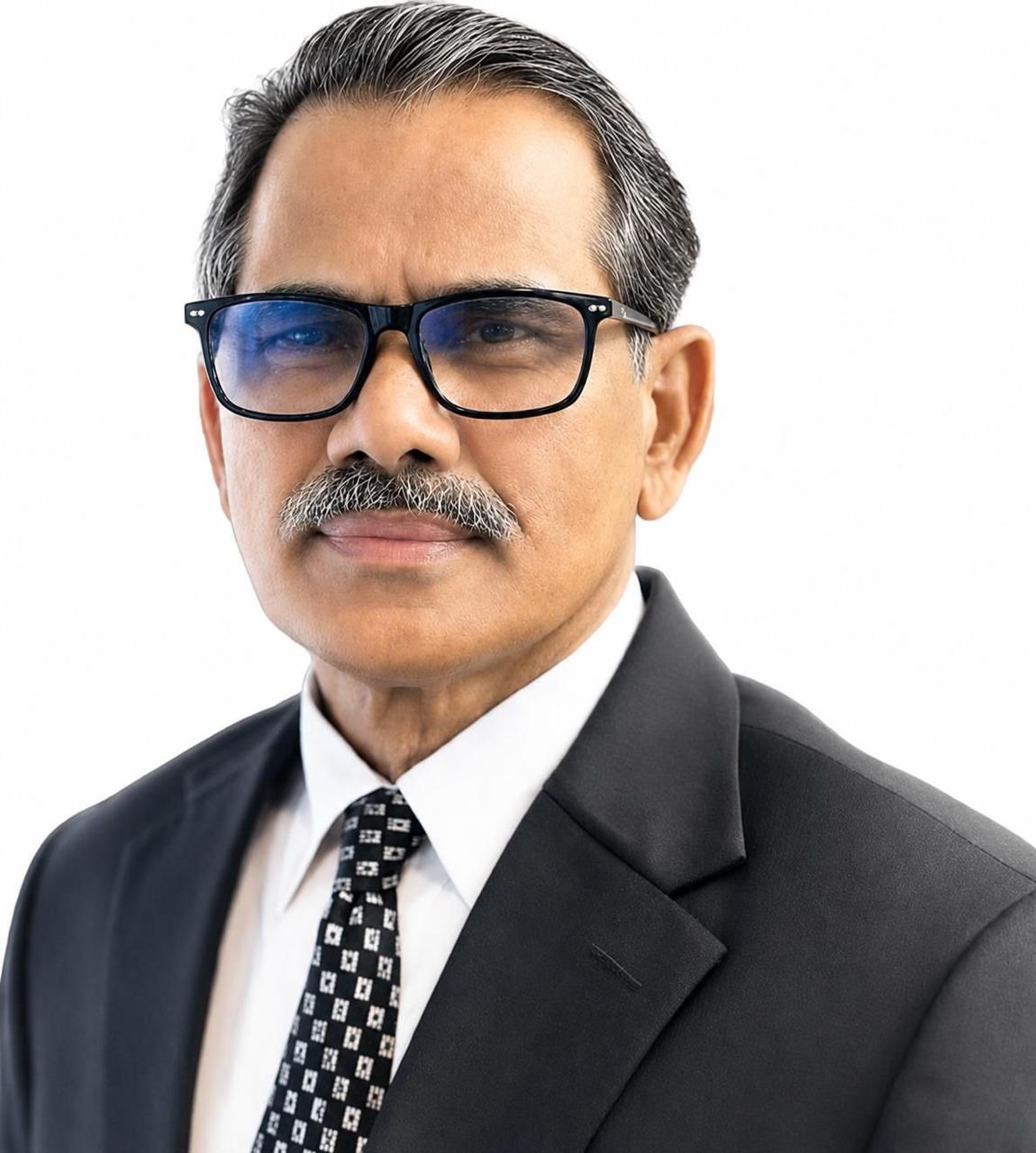
The writer is a PhD, former ambassador, and secretary to Ministry of Foreign Affairs