A major study published on Tuesday in The Lancet has found that more than 2.7 billion people worldwide, including children, were exposed to second-hand smoke in 2023, contributing to nearly 1.7 million deaths.
The research described tobacco as a leading cause of disease globally and found that many non-smokers exposed to passive smoking were among the estimated eight million people who died from smoking-related illnesses in 2023, reports AFP.
The study stressed that inhaling second-hand smoke is a globally recognised health risk, with no safe level of exposure.
Unfiltered and more toxic
People near active smokers are exposed to both exhaled smoke and “sidestream smoke” from burning tobacco products, according to the research.

Sidestream smoke, which accounts for most of the air inhaled by non-smokers, is completely unfiltered. It therefore contains higher concentrations per unit of toxic and carcinogenic compounds than the smoke directly inhaled by smokers.
Researchers reviewed studies indexed in the US National Institutes of Health database PubMed, along with population surveys, to produce their estimates.
The study assessed the prevalence of second-hand smoke exposure and its resulting disease burden across 204 countries and territories between 1990 and 2023.



Children and women disproportionately affected
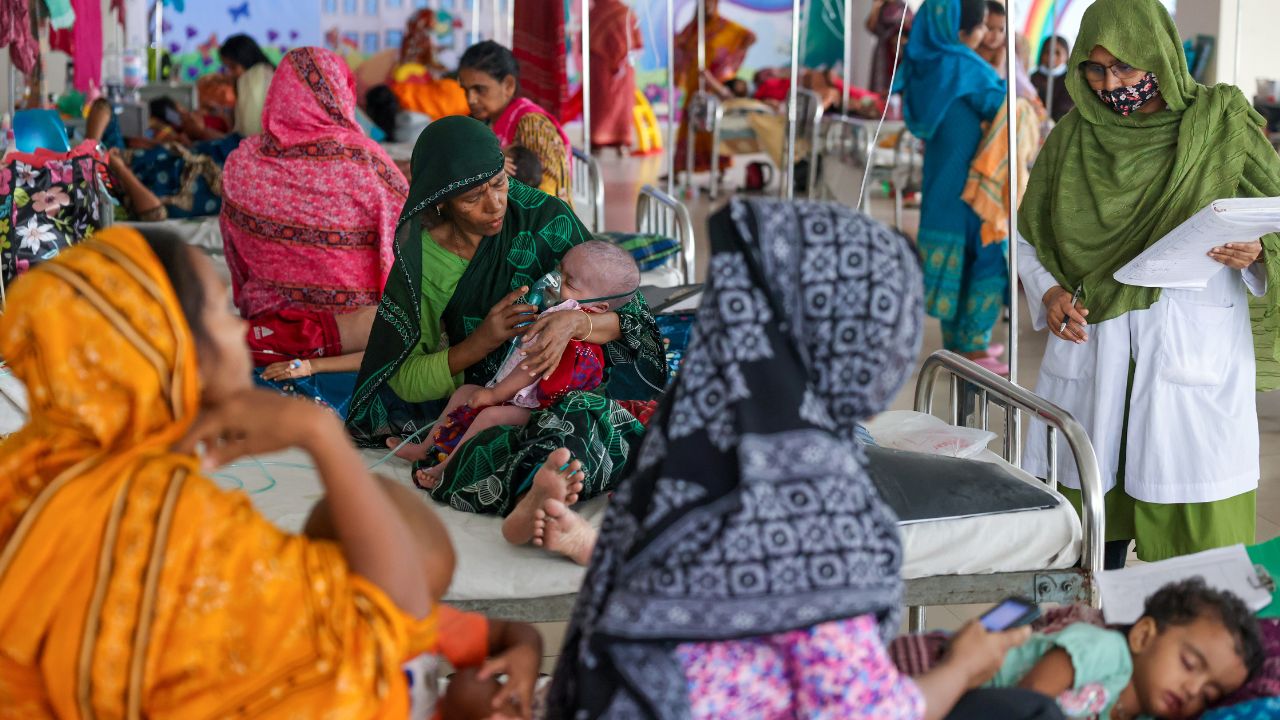
Of the approximately 2.7 billion people exposed to passive smoke in 2023, 767 million were children aged between zero and 14, the study found.
Second-hand smoke exposure was estimated to have caused 1.66 million premature deaths, as well as premature illness and disability. Ischaemic heart disease — a cardiovascular condition caused by an inadequate supply of oxygen to the heart muscle — was identified as the leading cause.
Among children, passive smoking was estimated to have caused 5.2 million respiratory tract infections in 2023.
Women were also found to be disproportionately affected by second-hand smoke, particularly in regions where smoking prevalence among women is low.
Despite its significant impact, the study noted that exposure to second-hand smoke is rarely recognised as a major risk factor for women’s health.
Call for stronger government action
Although the global prevalence of smoking has declined significantly since 1990, the absolute number of people exposed to second-hand smoke has remained stable.
The study attributed this to overall population growth and increased exposure levels in Africa and the Middle East.
It called on governments to introduce stronger tobacco controls in public places and homes to better protect vulnerable women and children from the dangers of second-hand smoke.