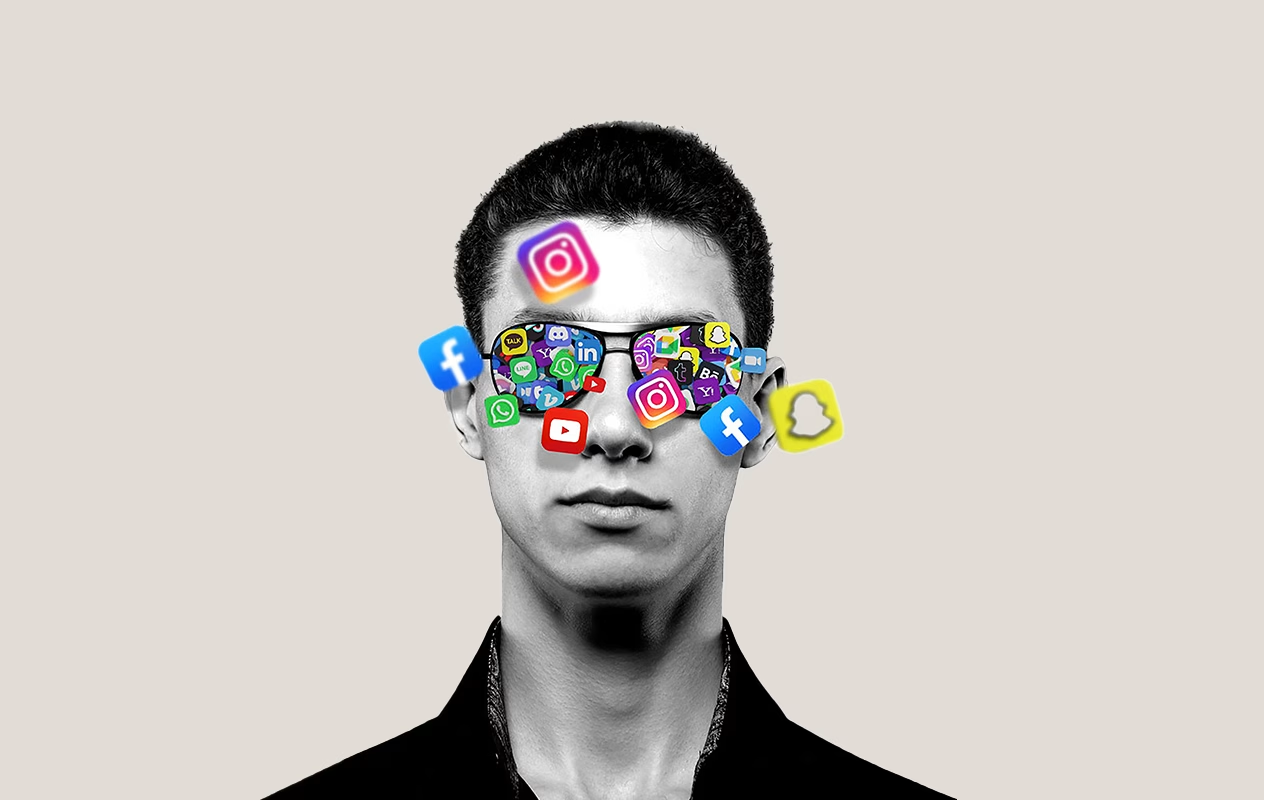

For the younger generation, social media isn’t just entertainment; it’s an essential part of daily life. From Instagram and TikTok to Snapchat and Facebook, these platforms serve as the main stage for self-expression, connection and even identity.
However, alongside the creativity and community they foster, there is an unseen burden: the pressure to meet online expectations. As Gen Z continues to shape and be shaped by the digital world, concerns about self-worth are more pressing than ever.
What once began as casual snapshots of daily life has turned into perfectly polished highlight reels. Scroll through any feed and you’ll find flawless skin, exotic vacations, toned bodies, designer outfits and seemingly exciting lives. The pressure to be “aesthetic” or “the main character” isn’t just about following trends anymore.
For many, it determines how they see themselves. When validation is measured in likes, flattering comments, and followers, it becomes dangerously easy to tie self-worth to those numbers.

Unlike earlier generations, Gen Z grew up online. Their first friendships were forged in group chats and gaming servers. First heartbreaks unfolded over text or through someone else’s Instagram stories. Achievements such as passing exams, winning awards were celebrated in posts and stories.
The line between online and offline identity has nearly vanished, and when so much of your life is reflected back through filters and reactions, it’s easy to confuse social media validation with personal values.




The damage often shows up in quiet ways. You see someone your age travelling the world, launching a startup or landing their dream job, and suddenly you feel like you’re falling behind. Deep down, you know people only share the best parts of their lives but it still chips away at your confidence.
Maybe you delete a post that didn’t get enough likes. Maybe you take 30 versions of the same selfie, editing it until it barely looks like you. Over time, these patterns feed feelings of inadequacy, low self-esteem and the constant need for external approval.
Research backs this up. Studies from the Royal Society for Public Health and Pew Research Center link frequent social media use among teens and young adults to increased anxiety, body dissatisfaction and depression.
For Gen Z girls especially, platforms like Instagram amplify negative self-image. Algorithms tend to push content that’s visually striking or emotionally intense, creating endless exposure to “ideal” standards that are nearly impossible to meet.
But Gen Z isn’t blind to the harm and that’s where the shift begins. Many young people are taking conscious steps to protect their mental health online. Some are unfollowing accounts that make them feel inadequate. Others openly talk about the pressure to be perfect. Digital detoxes, where users take a break from social media, are becoming common. Apps like BeReal, which encourage unfiltered daily snapshots, are rising in popularity as a rebellion against curated perfection.
The conversation around mental health is now circulating more. Influencers and creators are talking openly about insecurities, burnout, and the emotional toll of online life. Slowly but noticeably, there’s a cultural shift where authenticity matters more than aesthetics. From TikTok trends embracing “photo dumps” to the “Instagram vs. Reality” movement, the younger people are redefining what it means to be seen and valued online.
Still, the challenge remains: how do you stay connected without letting the digital world define your worth? The answer isn’t abandoning social media altogether but using it with intention. It’s about knowing when scrolling turns into comparing, when likes become validation, and when your feed starts feeling like a mirror that only reflects your flaws.
For a generation that lives online, learning to value yourself offline isn’t just healthy, it’s revolutionary. In a world where everyone is performing, being real is the quiet act of rebellion that might change everything.