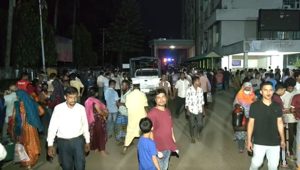

Nearly three decades after automatic traffic signals were introduced in Rajshahi city, most of the systems remain inactive, leaving traffic police to manually control vehicles at busy intersections despite installed signal infrastructure.
At major points including Shaheb Bazar, Laxmipur and Kadirganz, police officers are still forced to stand on roads and regulate traffic with hand gestures during peak hours. The outdated system has contributed to frequent congestion and increased pressure on traffic personnel.
Automatic signals were installed at 21 key points in the city in three phases from 1994, with a total expenditure of Tk1.4 crore. The first phase covered six intersections, including C&B intersection, Laxmipur, Bindur Mor, Shaheb Bazar Zero Point, Moni Chattar and Talaimari, at a cost of Tk36 lakh.
The second phase in 2002 added signals at several locations, including Rajshahi Medical College’s closed gate, Court Station Mor and Kashiadanga, costing Tk49 lakh.
Further installations were made at locations such as Utsab Cinema Hall Mor, Sagarpara Bot-tola, Shiroil Station Mor and Nowdapara Am Chattar Mor, costing Tk55 lakh.

However, the systems gradually became dysfunctional due to a lack of maintenance, and the city has failed to benefit from technology-based traffic management.
With the number of vehicles increasing over the years, congestion has intensified during morning and evening rush hours. Private cars, auto-rickshaws, battery-run vehicles, motorcycles and education-related traffic have added pressure on major intersections.
Residents said congestion worsens around coaching centres and educational institutions when vehicles stop on roads to pick up and drop off passengers.

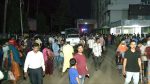
“Earlier, it took only a few minutes to travel from Kadirganz to Shaheb Bazar. Now it takes much longer due to congestion,” said pedestrian Murad Hossain.
Auto-rickshaw driver Shariful Islam said traffic management had not improved in line with the rising number of vehicles. “Drivers and passengers both suffer because of the delays,” he added.
Residents also blamed unregulated vehicle movement for worsening congestion, alleging that many unregistered auto-rickshaws and battery-run vehicles operate across the city.
According to police data, 135 road accidents occurred in Rajshahi district and 34 in the metropolitan area between July 2025 and July 2026, killing 160 people. Police said motorcycles and auto-rickshaws were involved in a significant number of the incidents.
Rajshahi Metropolitan Police Traffic Department Deputy Commissioner Md Nur Alam Siddiqui said modern traffic signals were necessary to restore discipline and reduce congestion.
“Currently, traffic police have to control vehicles manually at important intersections. This increases their workload and extends congestion during busy hours,” he said.
He added that the issue had been brought to the attention of the city corporation.
Rajshahi City Corporation Administrator Md Mahfuzur Rahman Riton said the authority was considering steps to restart inactive signals, install new ones where necessary and introduce modern technology in traffic management.
Experts said restarting old signals alone would not solve the problem. They recommended a coordinated traffic management system considering vehicle numbers, road capacity, pedestrian movement, parking, routes and regular maintenance.
After three decades of growth in population and vehicles, Rajshahi’s traffic system still depends largely on manual control, highlighting the need for a modern and sustainable solution.