
Professor Dr. Sujit Kumar Datta
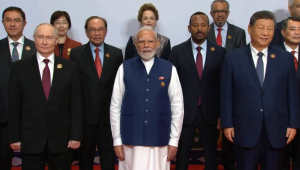
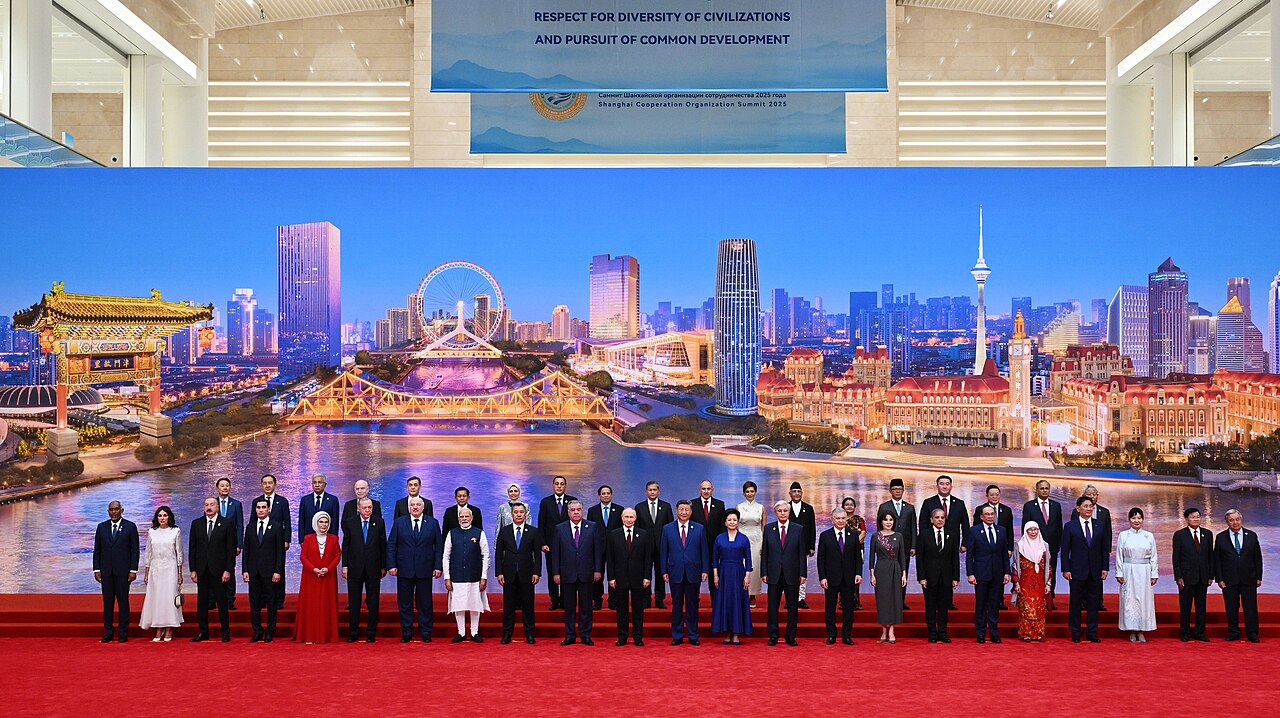
Recently, a summit of the Shanghai Cooperation Organisation (SCO) was held in Tianjin, China, which brought almost 20 member countries. This is a practical demonstration of a changing multipolar world order, as this event was organized under high security measures. Taking place against the backdrop of increased geopolitical and financial strains, the meeting enabled Global South to chart its own international course, and the SCO is proving to be a significant actor in this endeavor. In the world, systems based on Western powers have been in place for decades, governed by rules of international finance, security, and diplomacy established by organizations such as the G7, NATO, and the World Bank. While this system has a certain amount of stability, it has been described by many countries in the Global South as exclusionary and conditional. In response, the SCO, which Beijing and Moscow are trying to promote as an alternative to NATO, offers a different direction. Unlike systems based on shared ideology, it is founded on practical collaboration and mutual interests. Member countries have specific goals: combating terrorism and promoting economic and infrastructure development to support trade and communication.
The Indian Calculus: Trust, Rivalry, and the American Tariff
There is no country that exemplifies the nuances of this new era more than India, a nation that balances its interests in a strategic manner. Even as India is an active participant in the US-led QUAD security dialogue as an ally, it is also a co-founder of the SCO and a key player in the Global South. In their latest meeting, Prime Minister Modi told President Xi, as captured in a video uploaded by Modi on X, that India would build its relationship on the principles of trust, dignity, and sensitivity. Another important aspect, emphasized by Modi, is that 2.8 billion individuals in these two countries are united by their collaboration.

What is notable about this diplomatic rapprochement is that the level of competition is extremely high, and the situation remains sensitive, as the deadly border conflict of 2020 has yet to be resolved. At the same time, this situation demonstrates that, despite ongoing geopolitical rivalry, the two countries recognize the need to collaborate on issues of mutual interest. In the case of India, the SCO serves as a valuable buffer against overdependence on any single power bloc. This was one of the needs that became apparent this week, as the US has significantly increased tariffs on Indian products days ahead of the summit. India is still buying Russian oil that the US believes is undercutting sanctions.
It was a near miss that Washington almost collided with the SCO summit in this row, which created an ideal storm in the organization’s history. The US tariffs presented a favorable opportunity for Russia to expand its influence in India, which it was eager to do. The tariffs were, in effect, a penalty on India to encourage an independent decision based on its energy security needs and economic interests. It was a powerful communication, one that, along with the opportunities opened by the US-dominated order, highlights the danger of using force when a nation’s actions are not evenly balanced by Washington’s geopolitical interests. This external pressure is what renders the SCO proposal of multipolarity so attractive to the Global South. It provides an avenue on which nations will not be rated based on their friends or trade partners, but instead, they will be appreciated on the basis of their strategic and economic contributions to the common good.




A Pragmatic Alternative to Western Paternalism
The SCO is popular among both big and smaller countries. Small and medium nations in the Global South see it as a welcome change. They often feel that Western-led institutions can be paternalistic. These countries usually choose between two models. The Western model is based on liberal rules, supports democracy, and market liberalization. The SCO, on the other hand, focuses on practical cooperation and does not push any ideology. There are many reasons why the SCO model attracts countries. First, it focuses on results. Counter-terrorism efforts, infrastructure, and easier trade are on its agenda, tackling real problems. The SCO offers real programs to help countries with internal security or those wanting more trade. Western countries, in contrast, often require democratic reforms before they provide aid or cooperation. Building on this, the model of development practiced by the SCO is typically free from the political and social terms associated with Western aid and investment. This gives nations more freedom in how they develop. They are able to embrace investment without necessarily having to reform their political systems or coordinate their foreign policies, which may not necessarily be in their national interest. The SCO thrives on respect for sovereignty, unlike the expectations of the Western donors in most cases.
Furthermore, the SCO provides collective bargaining and voice. The organization can mobilize a vast number of the world’s population and economic strength, and this group of members challenges the rule of the world powers. Not the building of the anti-Western alliance as such, but rather the building of a parallel system, unlike it, in which they can pursue their interests without being manipulated by the will of a unipolar order. The event was also symbolic of a shared resistance against external influence and a determination to guard their independence as a people, due to the high-security aspect of the summit, which was a logistical consideration.
The Trump Factor: A Catalyst for a New Global Order
The time chosen to hold this summit is impressive, as US President Donald Trump makes his way back to the White House. The Trump administration’s America First policies have employed tariffs and trade wars to disrupt an international system that had previously been based on predictability and multilateral agreements. He depicted the willingness to prioritize the interests of America above all others, including those of traditional allies. This is a good engine behind the mission of the SCO. It is an international relations practice based on transactions and exchanges. By attacking a country such as India, a key US ally, it sends a very powerful message to other countries: No one is above the new reality of power. This climatic factor leads countries to diversify their alliances and find new partners who will not interfere with their independence. SCO offers this platform. Not only is it insurance against the influence of Americans, but it is also a reaction to the increasingly unstable international reality, in which interactions are more complex than ever. The SCO will be partially successful in terms of its capability to offer a stable and reliable system to its members in the unpredictable world.
It was not only a group of people coming together, but an assertion of intent. The Shanghai Cooperation Organisation is making a significant push to the Global South with an alternative, non-ideological, and economically based approach to the Western-led order. The world power balance is changing. Reality is changing and puts existing partnerships to the test. The SCO’s vision of a multipolar world order is no longer a dream. It has long become a characteristic of 21st-century geopolitics.
The main argument is that the multipolar world order, as exemplified by the Shanghai Cooperation Organisation summit under Beijing’s leadership, offers countries like India an alternative platform to pursue their interests outside of Western alliances. With India’s trade relations with the United States deteriorating over issues such as Russian oil purchases, the SCO summit presents a strategic opportunity for India. The focus on mutual trust between Narendra Modi and Xi Jinping marks an evolving approach where economic and geopolitical factors are shifting old rivalries. Ultimately, this high-stakes meeting signals that the global South is increasingly using forums such as the SCO to carve out its path in a fragmented and changing world order.
The writer is Former Chairman, Department of International Relations, University of Chittagong, Bangladesh And Deputy Director, Hong Kong Research Center for Asian Studies (RCAS)