




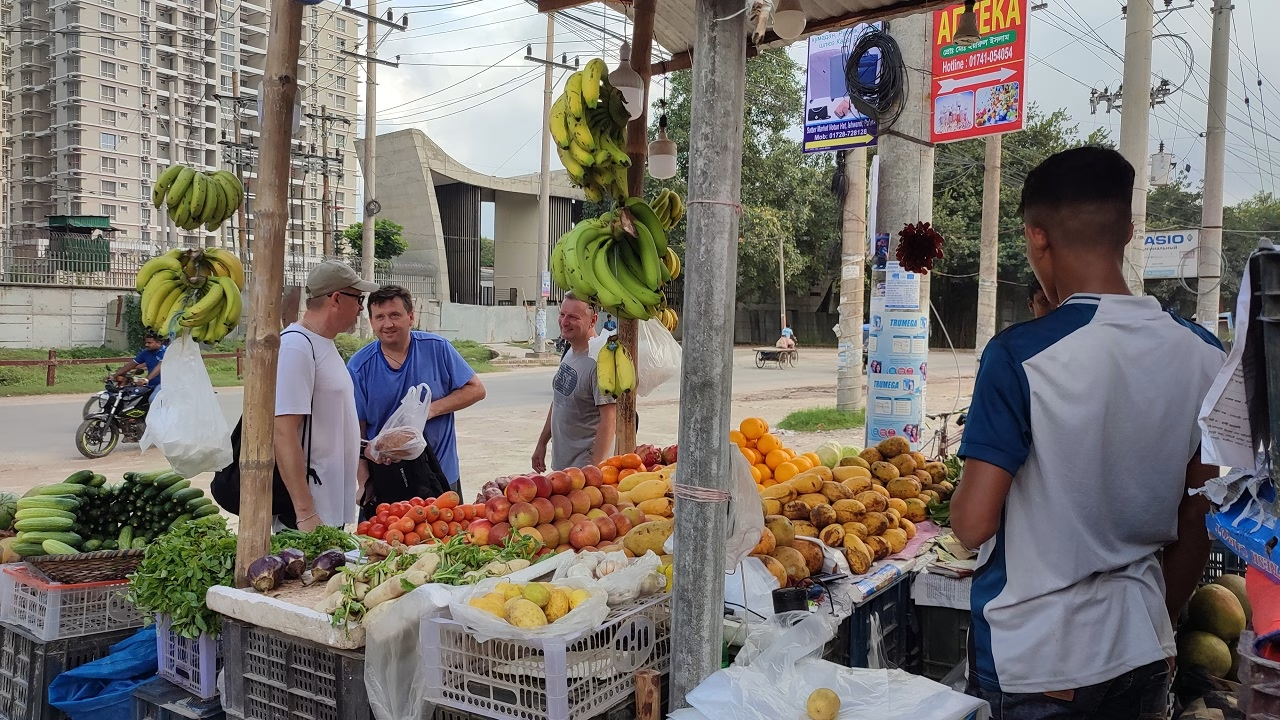

Rooppur in Pabna, once a little-known area, is now emerging as a bustling hub resembling a small piece of Russia, thanks to the presence of nearly five thousand Russian nationals working on the Rooppur Nuclear Power Plant.
The influx of foreign experts has brought noticeable changes to the local economy and social life.
For Russian residents, the Rooppur Green City complex of high-rise apartments has been developed, prompting the growth of businesses catering to daily needs.
Shops, markets, restaurants, and services have adapted to Russian tastes, with signage often written in Bengali, English, and Russian.

Local markets and restaurants have transformed, with establishments such as Believe Market, Green Len Super Shop, Afrahim Pearls, and Rush Dine catering to Russian tastes.
New resorts, private hospitals, and malls have been established in Ishwardi and the district town to meet the growing demand.
Shopkeepers report increased earnings due to Russian customers.



“We’ve learnt essential Russian words to communicate better. Life has changed for the better,” said cloth trader Saidur Rahman.
Fruit vendor Shakib Hossain added, “Business has improved. Russians buy fresh fruits every day, ensuring good profit.”
The social fabric has also shifted. Locals and foreigners have adapted to one another, with cultural exchange and bilingual training becoming common.
Many Russians have expressed satisfaction with local hospitality, while residents note improved employment, reduced unemployment, and greater social order.
Rooppur Nuclear Project Site In-Charge Ruhul Quddus said, “The project has transformed the area. The presence of foreign and local professionals has significantly improved the socio-economic conditions of the people here.”
Ishwardi Upazila Citizen Committee member Mostak Ahmed Kiran added, “Earlier, villages struggled with disputes, debt issues, and social unrest. The development in Rooppur has reduced unemployment and restored social discipline.”
The Rooppur project, inaugurated in 2013 and fully operational from November 2017, employs over five thousand Russian engineers, specialists, and officials, along with personnel from Belarus, Uzbekistan, and India.
Altogether, around 20,000 engineers and workers, including roughly two thousand foreign staff, are engaged in the project.


