


Jamaat-e-Islami has identified the failure to implement referendum mandate as the most “significant failure” of BNP-led government during its first six months in office.
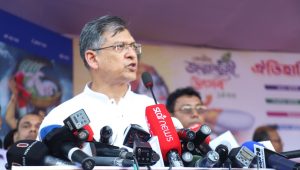
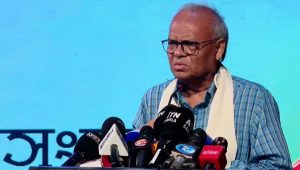
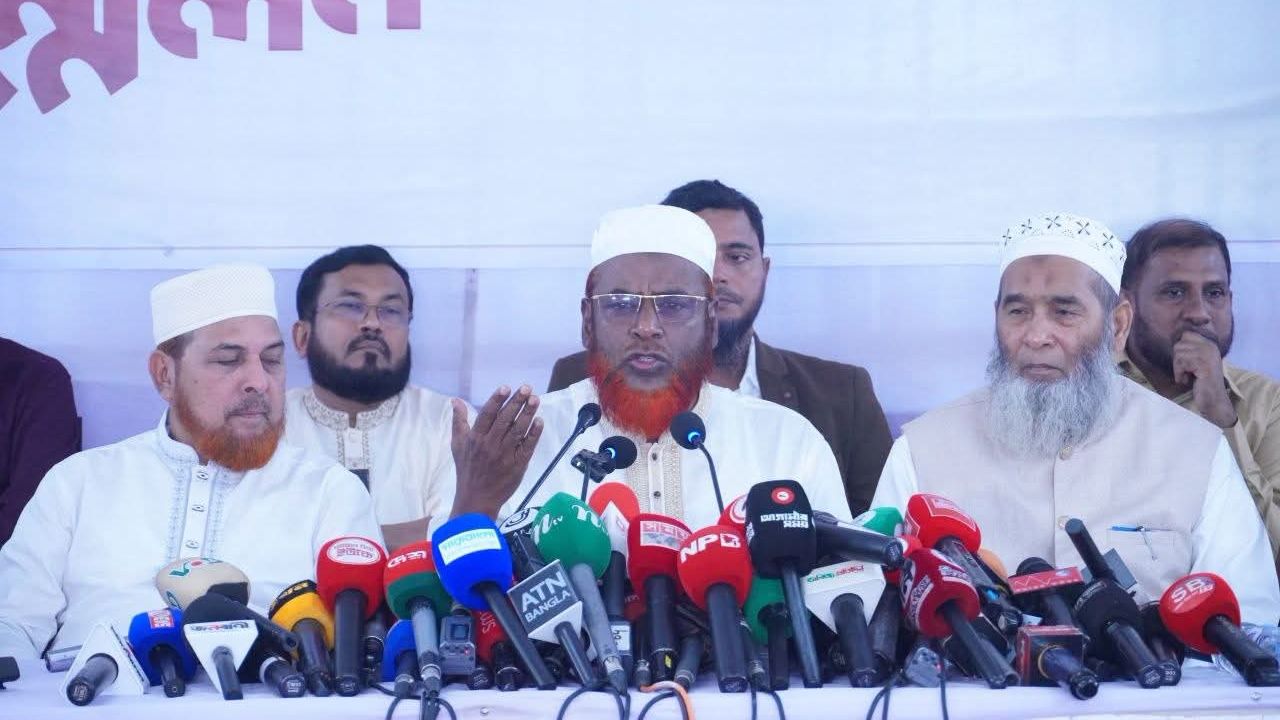
During a press conference titled “Evaluation of 6 months of BNP government” held on Tuesday in Dhaka, the party’s Secretary General and former lawmaker Mia Golam Porwar outlined several key areas of governance where the administration has “faltered.”
According to the party’s evaluation, although the national election and the referendum were conducted based on “July Charter,” the government has effectively rejected the mandate by failing to implement the results of the referendum.
Porwar argued that this failure is not merely a political lapse but one that calls into question the fundamental expectations of the new political arrangement following the mass uprising.
“The failure to implement the referendum mandate is the government’s biggest failure. The nation and the entire world are astonished by this stance,” he claimed.
Economic challenges
The secretary general highlighted that the economy has emerged as a major challenge for the administration, characterized by high inflation, a liquidity crisis in the banking sector, and defaulted loans.

Jamaat’s assessment noted that the dollar exchange rate, coupled with the instability of energy and commodity prices in the international market, has placed significant pressure on foreign exchange reserves.
Moreover, stagnation in private investment, revenue deficits, and an increasing reliance on bank borrowing were cited as critical concerns.
The party further noted that the actual purchasing power of the general public has reduced due to the government’s inability to control the prices of daily essentials.
Porwar specifically highlighted that the recent price hikes of oil, gas, and electricity, alongside the prevalence of extortion and the influence of syndicates, have intensified the pressure on consumers.



Jamaat claimed that approximately 30 per cent of the population is currently facing food insecurity.
Additionally, the energy crisis has reportedly led to a 40 per cent decline in national production, resulting in nearly 20,000 workers losing their jobs. Porwar alleged that despite the opposition providing specific proposals to address these crises, the government has failed to take effective steps to implement them.
Administrative Politicisation A major portion of Jamaat’s critique focused on the “politicisation” of state institutions.
Porwar alleged that party affiliation with BNP has become the primary qualification for recruitment and appointments in the administration, city corporations, district councils, and public universities.
He specifically criticised the appointment of Vice-Chancellors based on political considerations, claiming this has prevented the restoration of discipline on campuses and fuelled conflict in student politics.
The party also condemned the practice of placing officials who do not align with the government’s ideology on “Officer on Special Duty” (OSD) status, or subjecting them to punitive transfers and denial of promotions.
Conversely, Jamaat alleged that some officials associated with the previous Awami League regime are being rehabilitated, suggesting the current government is following a “fascist” path.
Parliamentary and opposition stance
Regarding parliamentary management, the party accused the government of interfering with the constitutional rights of opposition MPs by allowing government-aligned reserved seat female MPs to oversee their developmental activities.
Porwar also criticised attempts to keep MPO-listed teachers away from politics.
While acknowledging the stability of foreign exchange reserves as a positive sign, Porwar attributed this success entirely to the remittances sent by expatriates rather than government policy.
Despite reporting that six Jamaat activists have been killed since the government assumed power, Porwar added that the party intends to maintain a restrained and constructive role as an opposition.
He emphasised that they do not wish to see the government fail and will remain vocal against anti-public interest activities in parliament and on the streets without resorting to strikes or violence.
The press conference was attended by several senior leaders, including Nayeb-e-Ameer Professor Mujibur Rahman MP, Assistant Secretary General Maulana Rafiqul Islam Khan MP, Dr AHM Hamidur Rahman Azad, and Maulana Abdul Halim.
Other attendees included Central Executive Council members Saiful Alam Khan Milon, Dhaka City South Ameer Nurul Islam Bulbul MP, Dhaka City South Secretary Dr Shafiqul Islam Masood MP, and Dhaka City North Secretary Dr Rezaul Karim.