

A terrifying “empire of weaponry” has emerged in Raozan, Chattogram, fuelled by political patronage, personal dominance, and the control of extortion, the drug trade, and sand extraction.
Intelligence data and local sources indicate that at least 210 firearms are in the hands of three major criminal gangs active across the region, including in Nayapara, Purba Gujra, and Kadarpur.
The arsenal reportedly includes sophisticated weaponry such as AK-47s, AK-22s, and Chinese rifles. Former associates of these gangs further revealed the presence of 9mm pistols, LGs, shotguns, pipe guns, double barreled guns, and countless locally made weapons.
The gangs and their leaders
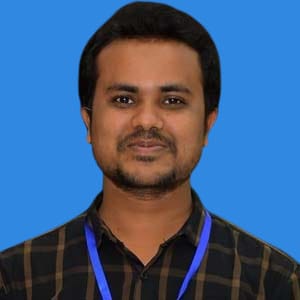
According to intelligence reports and former members, the Fazlul Huq group holds the largest share of this illegal cache, with an estimated 150 weapons.
Fazlul, known as a follower of former MP Golam Akbar Khandaker – a former adviser to the BNP Chairperson – was abroad during the Awami League’s tenure and returned after 5 August 2024.

His group is particularly active in Nayapara, and he faces multiple charges, including murder and kidnapping.
Meanwhile, the Mohammad Raihan group in Kadarpur reportedly possesses around 40 weapons. Raihan, who was once a follower of the notorious Sajjad Ali Khan of Islami Chhatra Shibir, now commands his own force.
Facing between eight and 15 criminal cases, Raihan’s cadres were identified in CCTV footage following the murder of Jubo Dal leader Masudul Haque Chowdhury in the Pahartali border area between Rangunia and Raozan.
A third group, led by Haji Josim, is said to control over 20 weapons. Josim, identified as a follower of former Raozan MP Giasuddin Quader Chowdhury, is accused of maintaining a strong presence in Nayapara through weapon displays and violent clashes.

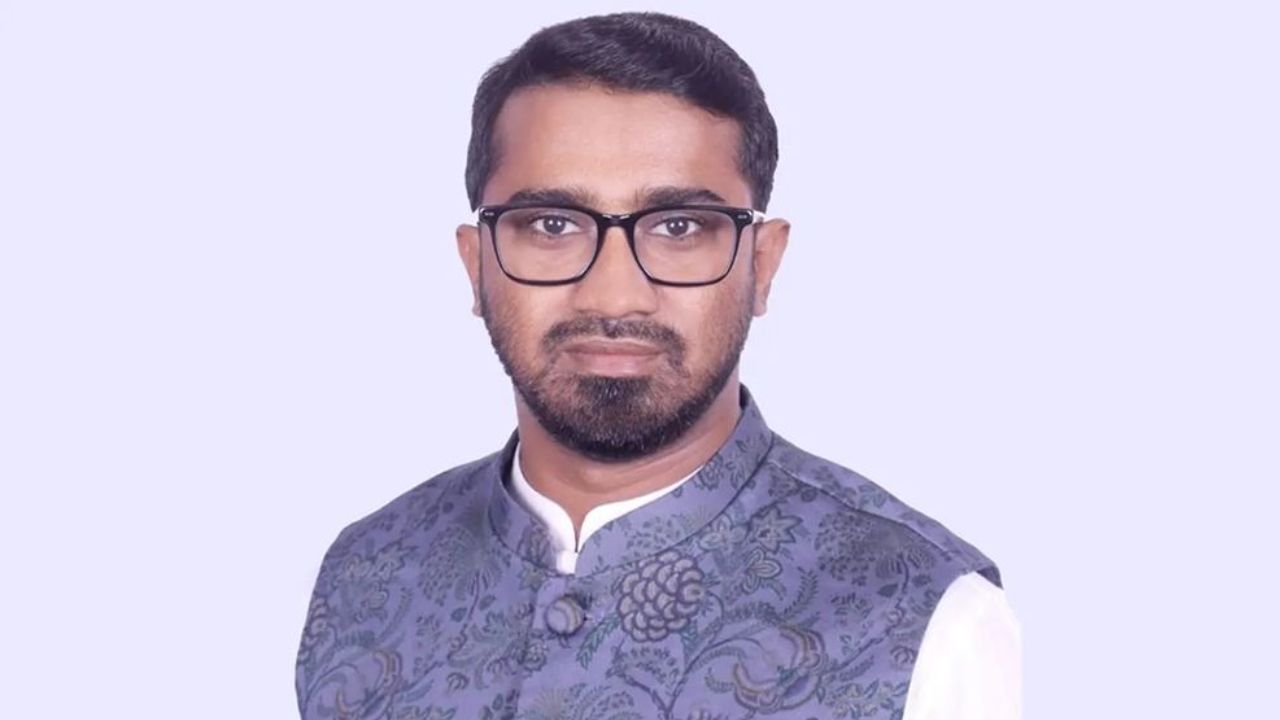


Sources indicate Josim maintains close ties with a powerful group of Gias Quader’s supporters in the Nayapara area.
Rising violence and casualties
The proliferation of these weapons has led to significant bloodshed. Between 5 August 2024 and 14 June this year, at least 24 people have been killed in Raozan due to various clashes, shootings, and political violence.
More than 300 others have been injured. Most of these casualties are linked to political rivalries and battles for local dominance where these illegal arms are frequently used.
The situation has drawn high-level attention. During a visit to Jungle Salimpur on 31 May, Home Minister Salahuddin Ahmed addressed the security concerns in the region.
“Raozan, Rangunia, Fatikchhari, Boalkhali – everything will be addressed,” Salahuddin told reporters. “A coordinated plan is being developed. Is Raozan outside the state?”
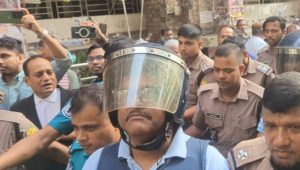
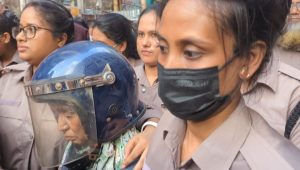
Chattogram District Superintendent of Police (SP) Masud Alam told TIMES of Bangladesh that the region’s complex terrain poses a major hurdle. “There are many ‘stories’ or complexities and various obstacles here,” he said.
“The natural barriers of this region are the biggest challenge for our operations”.
SP Alam noted that even after a raid in the remote hills last Saturday, success remains difficult without local cooperation.
“The hills here are so remote and vast that it is nearly impossible to conduct successful raids without the help of long-term residents,” he added, emphasising the critical need to collect specific intelligence for future operations.
Despite the presence of law enforcement, a culture of silence prevails due to fear. A businessman in Pahartali market, speaking on condition of anonymity, said, “Weapon displays happen publicly in Raozan. People are killed in broad daylight by armed men who then simply leave.”
Allegations persist regarding the involvement of influential local politicians, current and former public representatives, and identified drug traffickers with these criminal syndicates.
While Juba Dal leader Mohammad Helal is currently in custody, many other armed individuals reportedly remain at large, with some even staying in their own homes within the locality.