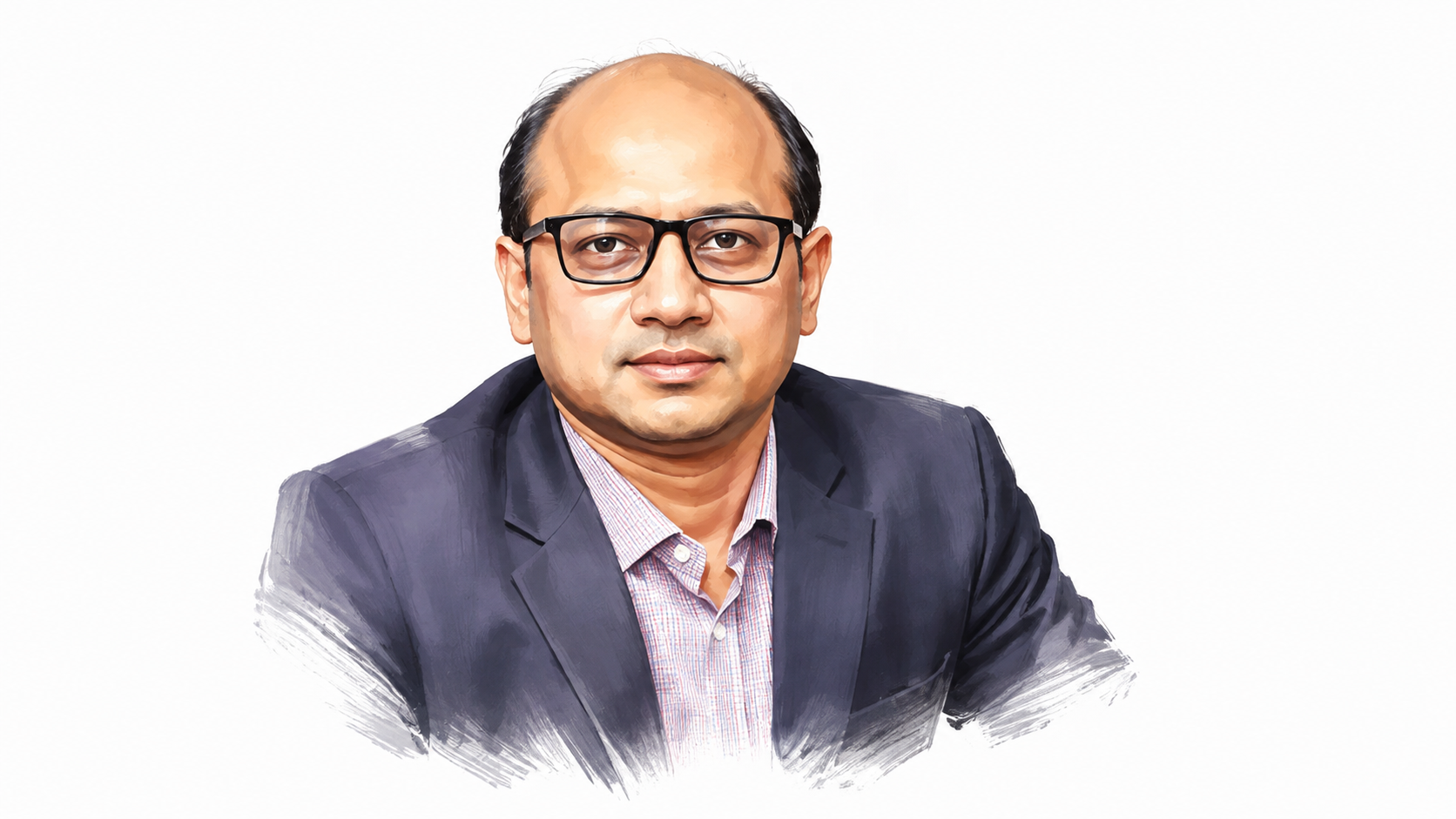



The Asian Development Bank (ADB) has appointed Qingfeng Zhang as its new country director for Bangladesh, placing a veteran development specialist in charge of one of the lender’s largest country programmes.
Zhang assumed the role in Dhaka on Thursday and will oversee ADB’s operations in Bangladesh, lead policy dialogue with the government and other stakeholders, and steer preparation of the bank’s next country partnership strategy.
“It is a privilege to serve as ADB country director for Bangladesh at an important stage in the country’s development,” Zhang said in a statement issued by ADB Dhaka office.

“ADB remains committed to working closely with the government and development partners to create quality jobs, strengthen resilience, accelerate private sector-led growth and deepen regional cooperation through innovative financing, knowledge solutions and high-quality investments.”
Zhang brings more than 30 years of experience in sustainable development, including over two decades at ADB. Most recently, he served as senior director of the bank’s Agriculture, Food, Nature and Rural Development Sector Office, where he led regional initiatives on agriculture, food systems, water resources, environmental management and rural development.




Over his career, he has worked with governments, development institutions, academic organisations and the private sector on programmes focused on sustainable and resilient development.
A Chinese national, Zhang holds a doctorate in environmental engineering from Tsinghua University, a master’s degree in water resources management and a bachelor’s degree in hydrology from Sichuan University. He also completed executive education at Harvard Business School.
Bangladesh, an ADB member since 1973, is one of the multilateral lender’s largest borrowing countries. As of July 2026, ADB’s active public and private sector portfolio in Bangladesh stood at about $12.5 billion. The bank has committed around $43 billion in cumulative loans and grants to the country and expects to provide about $2.4 billion in annual lending over the next several years to support sustainable growth, climate resilience, regional connectivity and infrastructure development.