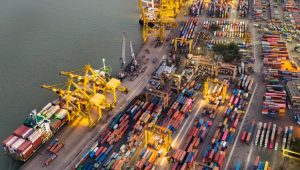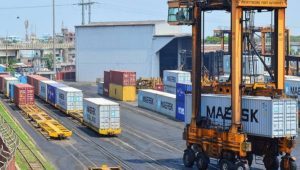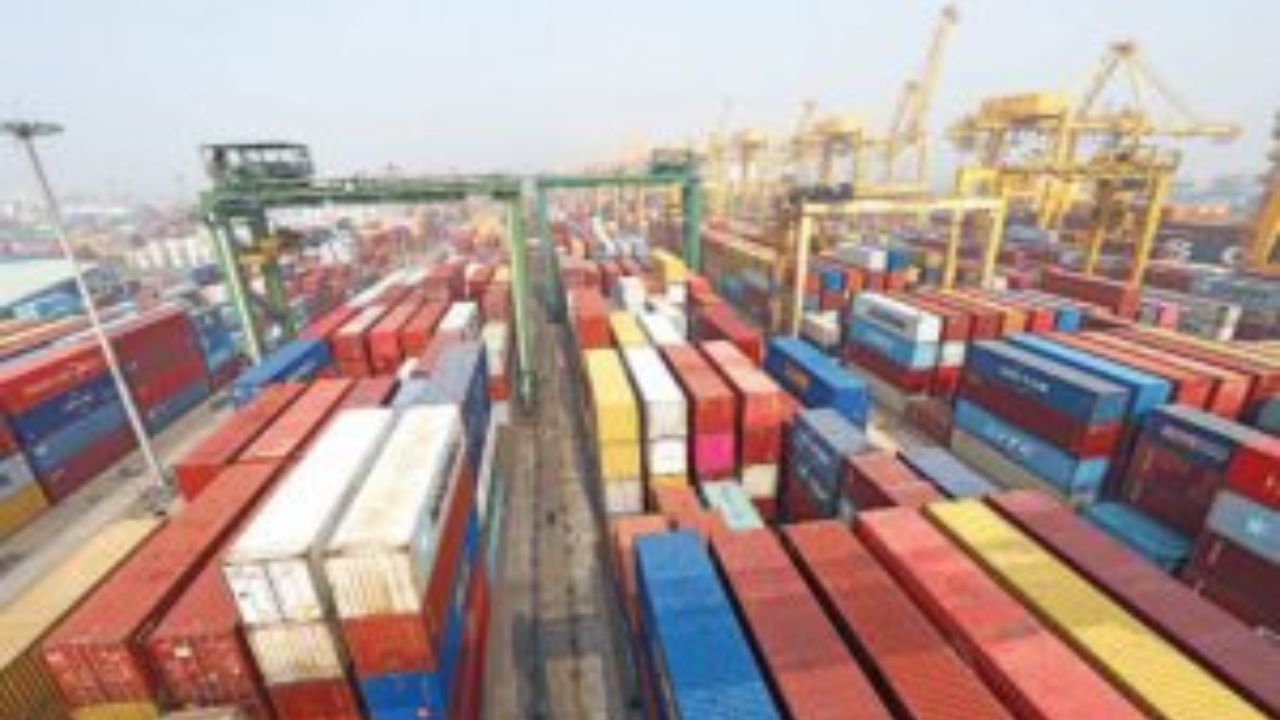



A growing pile-up of empty containers is putting pressure on Chittagong port yards, prompting the Chittagong Chamber of Commerce and Industry (CCCI) to seek permission for shipping agents and mainline operators to store empty containers in non-bonded areas outside the port.
In a letter to Finance and Planning Minister Amir Khosru Mahmud Chowdhury on Thursday, the chamber said the accumulation of unused containers is reducing port efficiency by consuming limited yard capacity.
Chittagong port handles around 90 per cent of Bangladesh’s foreign trade, making efficient container management critical for the country’s import-export operations, CCCI said.
Under existing rules, shipping lines cannot store empty containers outside their licensed facilities, leaving large volumes of empty units concentrated at the port and private container depots, the chamber said.

The problem has intensified due to Bangladesh’s structural trade imbalance, which creates a surplus of empty containers, particularly 20-foot units that remain unused for longer periods as demand is stronger for 40-foot containers.
“Unnecessary accumulation of empty containers is creating additional pressure on yard capacity,” CCCI said.




The chamber said container congestion worsens during disruptions such as natural disasters, heavy rainfall, labour strikes and other unforeseen events, when container movement and delivery operations slow down.
CCCI said Chittagong Port Authority has already recommended to the National Board of Revenue (NBR) allowing shipping agents and mainline operators to store empty containers in non-bonded areas beyond their existing licences.
Shipping agents and mainline operators have also sought approval, but the port authority and operators are not aware of any action taken by the revenue authority on the proposals, the chamber said.
The chamber argued that allowing off-port storage would align Bangladesh with global port practices, including arrangements used in neighbouring countries, where empty container yards outside port areas help improve terminal efficiency.
Such a move would reduce pressure on port yards, improve logistics management and strengthen the competitiveness of Bangladesh’s foreign trade, CCCI said.
The request comes as exporters and importers continue to focus on reducing logistics bottlenecks, with port efficiency becoming an increasingly important factor in Bangladesh’s trade competitiveness.