
Bangladesh has been recognised as a successful example in the newly published second Global Report on Hypertension by the World Health Organization (WHO).
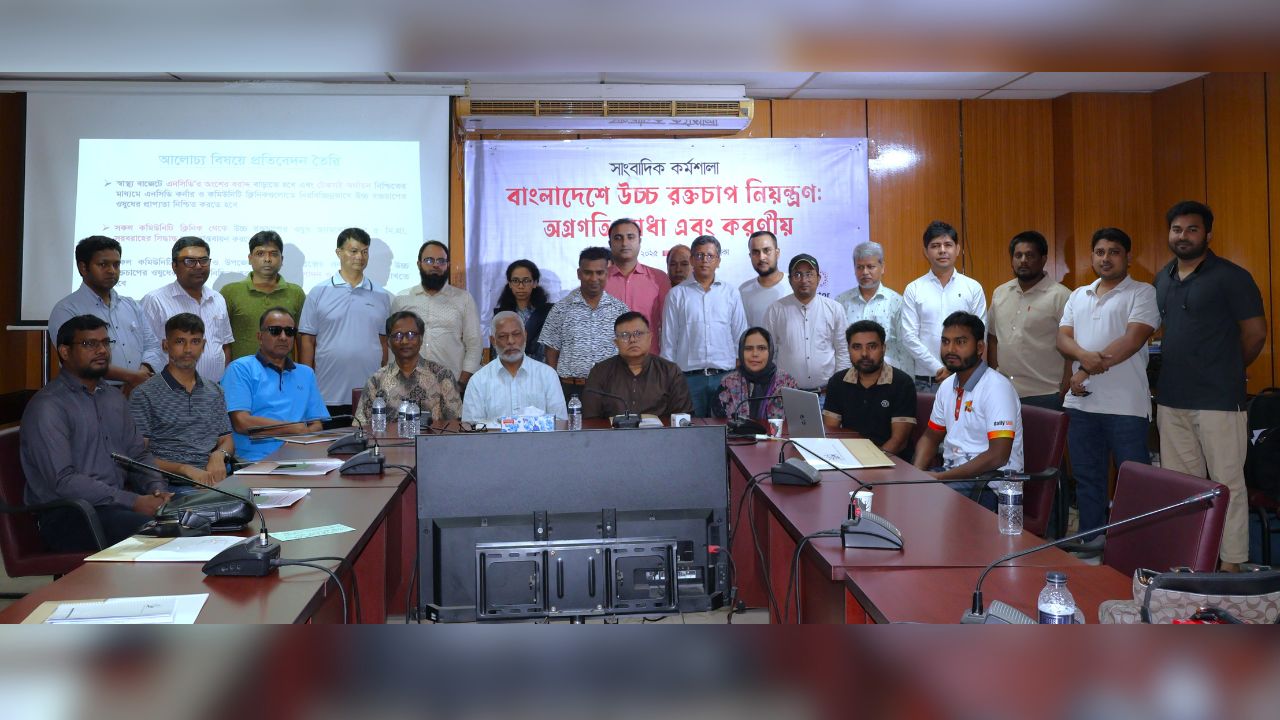
The observations came at a workshop for journalists titled “Hypertension Control in Bangladesh: Progress, Challenges and Way Forward” held on Monday at the BMA Bhaban in Dhaka, read a press release.
This event was organised by research and advocacy organisation PROGGA (Knowledge for Progress), with support from Global Health Advocacy Incubator. Twenty-three journalists working in print, television and online media joined the event.

Speakers noted that hypertension control in some regions of Bangladesh rose from 15% to 56% between 2019 and 2025. One-fourth of the population is still suffering from hypertension, and the current initiative is not enough to reduce the growing burden.
Speakers demanded uninterrupted supply of anti-hypertensive medicines at all Community Clinics and Upazila Health Complexes. They noted that hypertension remains a major public health challenge causing premature deaths.

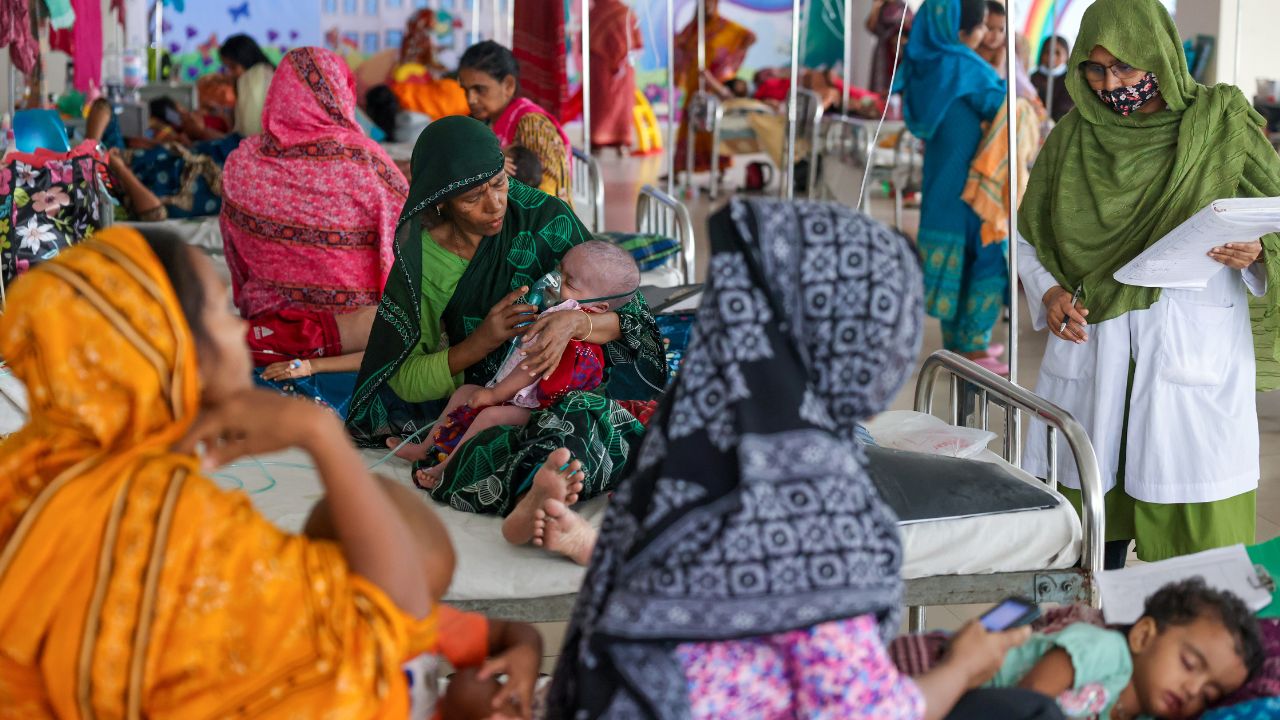
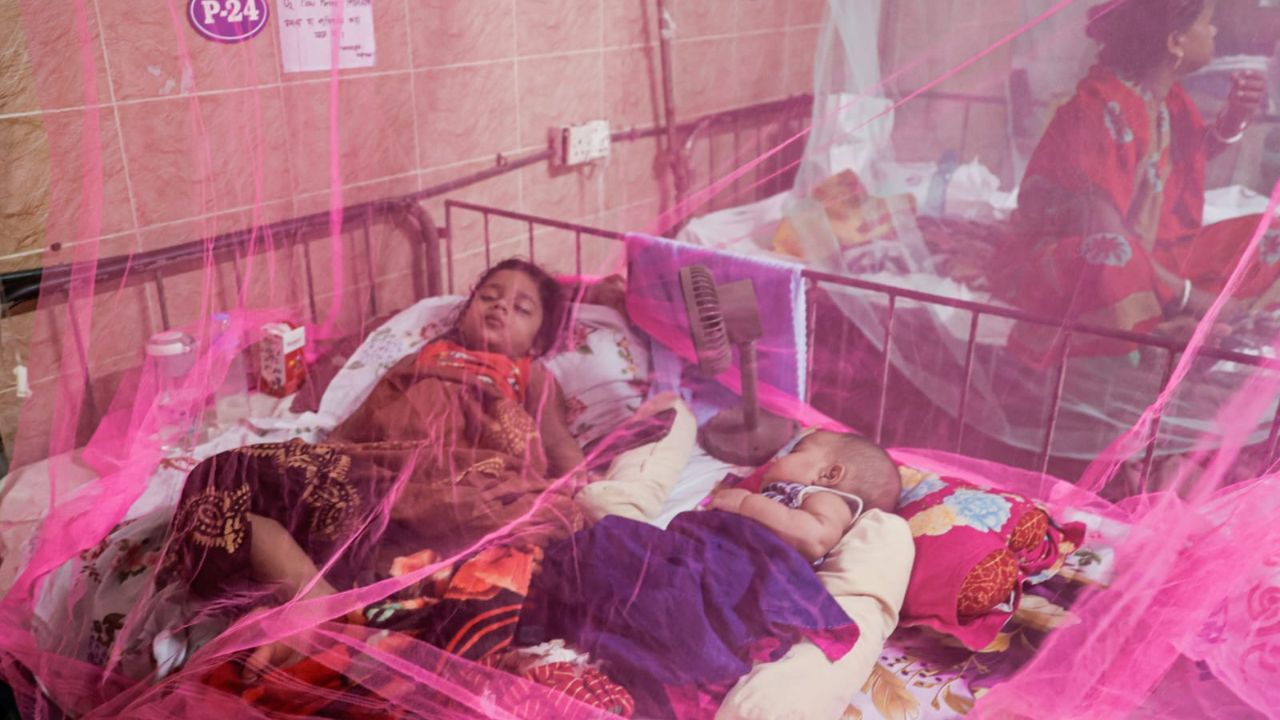
The WHO report identified ensuring availability of free anti-hypertensive medicine at the grassroots level as a significant step toward controlling the disease. The study emphasised continued investment in this sector for long-term sustainability.
Directorate General of Health Services Deputy Director Muhammad Habibur Rahman said, “We are experiencing certain budgetary and management constraints in providing medicines for hypertension and other non-communicable diseases (NCDs).
“However, we are hopeful that these issues will be resolved soon.”
Essential Drugs Company Limited Deputy General Manager (sales and marketing) Riad Arafin said, “We always try to ensure that anti-hypertensive medicines are supplied on time to NCD corners and Community Clinics for the people living at the grassroots level, and we remain committed to its continuation.”
Dhaka Tribune Editor Reaz Ahmad, Global Health Advocacy Incubator Bangladesh Country Lead Muhammad Ruhul Quddus and PROGGA Executive Director ABM Zubair joined the workshop as discussants.
PROGGA Coordinator Sadia Galiba Prova delivered presentations on hypertension control.