


The Indian government has sought time until Saturday afternoon to decide on the removal of Education Minister Dharmendra Pradhan, even as it “in-principle” accepted other key demands from the Cockroach Janta Party (CJP) to quell escalating student protests over the NEET-UG paper leak scandal.
Following a second round of high-level discussions with Union Ministers JP Nadda and Jitendra Singh in New Delhi, CJP spokesperson Ashutosh Ranka informed the media that the Modi government has agreed to provide compensation for the families of NEET aspirants who died by suicide.
The Centre has also reportedly committed to taking no legal action against student protesters involved in recent demonstrations, including those who participated in the “Sansad Chalo” march on 20 July, reports Indian media.
Non-negotiable demands, ministerial deadlock
Despite these concessions, the primary demand for the resignation or sacking of Pradhan remains a major flashpoint. Ranka described this demand as “non-negotiable”, warning that any delay would serve to expand the scale of the agitation.
While the government has asked for a day to respond, top government sources told NDTV that Pradhan’s resignation is “not on the cards,” describing such a move as the “easiest decision to take.”

“People have given us the mandate, and we will deliver,” a government source told NDTV.
The CJP, which emerged in May after a top judge compared unemployed youth to “cockroaches and parasites”, has evolved into a powerful platform for youth dissent.
CJP founder Abhijeet Dipke – who recently returned to India after graduating from Boston University – has added that any future negotiations must take place at Jantar Mantar or a neutral site, refusing to meet officials at private residences after being made to wait five hours for a ten-minute meeting previously.



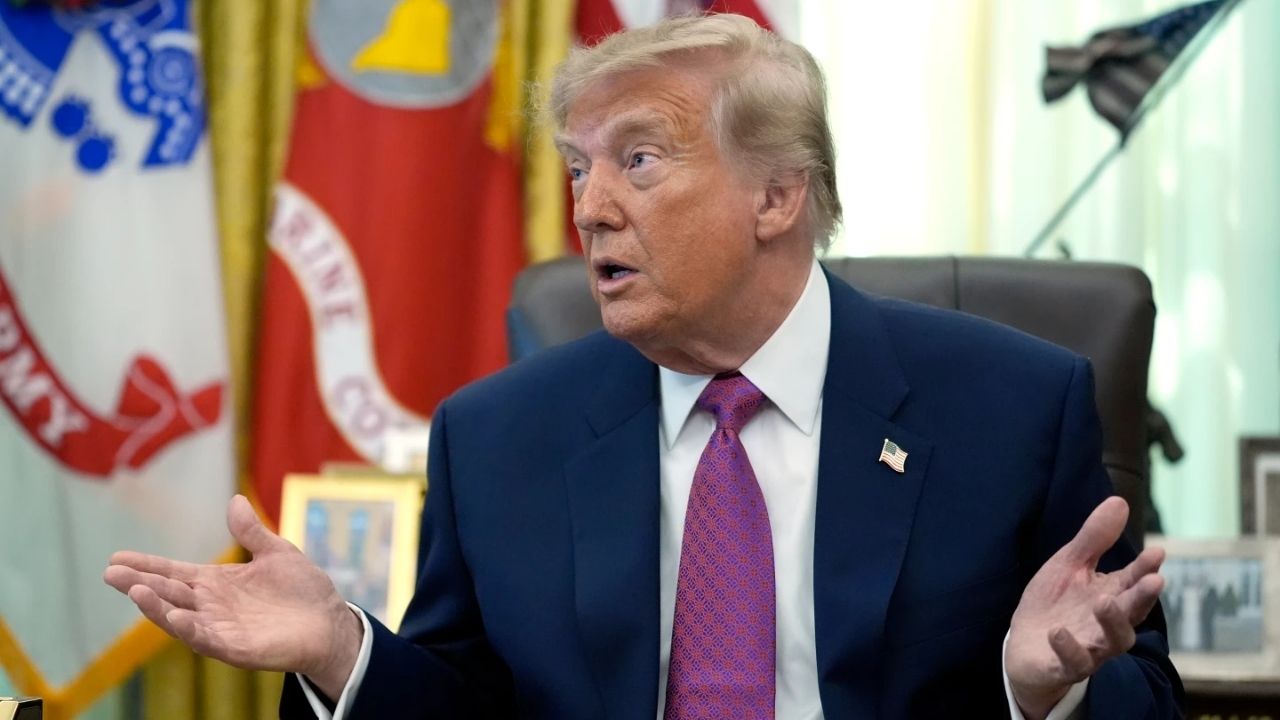
Abhijeet further criticised Prime Minister Narendra Modi’s proposal for fast-track courts as “vague,” alleging that Pradhan bears responsibility for the deaths of over 20 students.
In a satirical jab, he posted a meme of the Minister captioned, “Hi, my name is Nothing,” in response to the PM’s social media post stating nothing is more important than the youth.
Bureaucratic reshuffle and judicial action
In a significant move to signal accountability, the government replaced Education Secretary Vineet Joshi late Thursday night with Naresh Gangwar. Joshi, a 1992-batch IAS officer, was the founding Director General of the National Testing Agency (NTA).
BJP MP Nishikant Dubey linked the transfer to the government’s stance against “negligence or apathy” regarding the paper leak.
On the judicial front, the Bombay High Court has established two special fast-track courts in Aurangabad and Nagpur.
This follows a video message from the Prime Minister – notably shot vertically to reach young audiences on Instagram – promising that “anyone trying to harm the future [of the youth] will not be spared.”
Wangchuk ends 26-day fast
The negotiations followed an eventful night as climate activist Sonam Wangchuk ended his 26-day hunger strike at Gurugram’s Medanta Hospital. Wangchuk, whose fast exceeded Mahatma Gandhi’s longest 21-day hunger strike, received written assurances regarding compensation and amnesty for protesters.
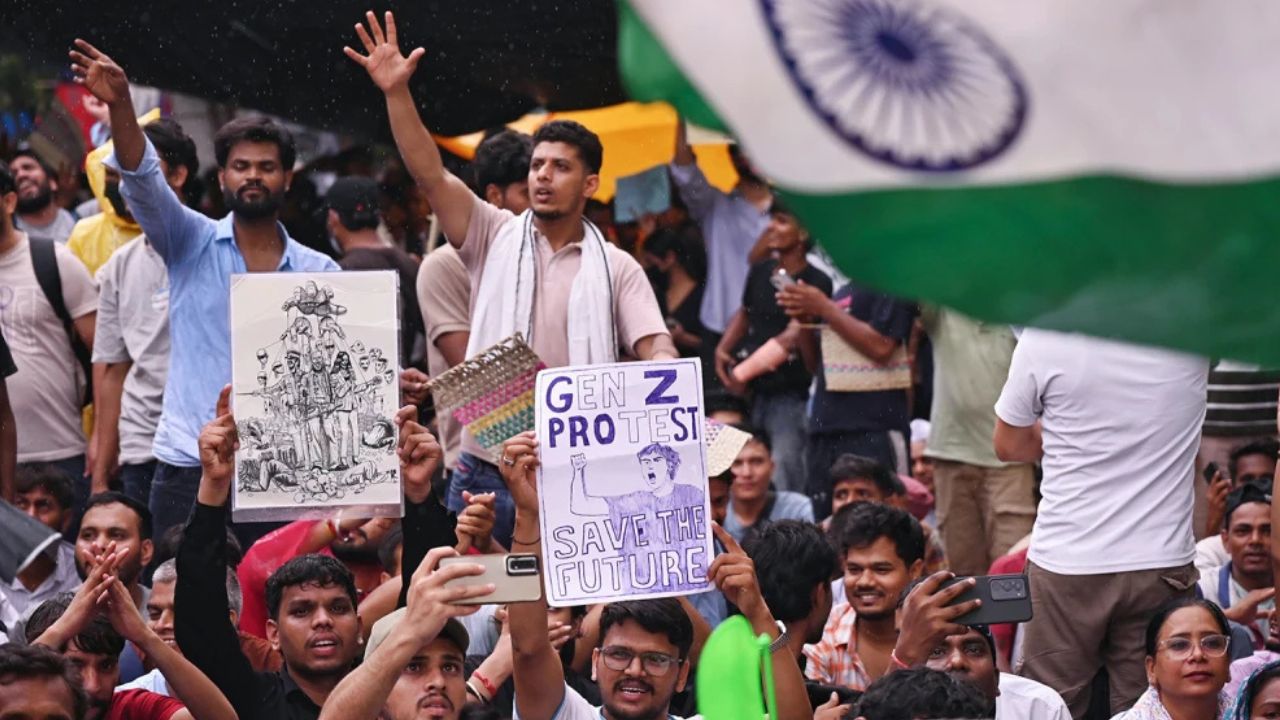
At the main protest site at Jantar Mantar in Delhi, the atmosphere remained enthusiastic on Friday, with supporters across India even sending food via delivery apps to sustain the demonstrators.
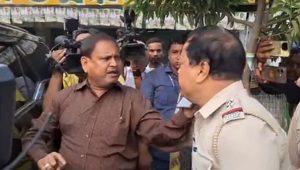
However, Indian authorities have tightened security, deploying Facial Recognition System (FRS) cameras and closing 18 metro stations.
Minister Pradhan has not commented directly on the resignation demand but has criticised the opposition for “shamelessly [exploiting] students as political tools.”
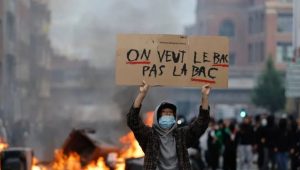
The movement continues to gain national momentum, with protests reported in Mumbai, Nashik, Mizoram, Jaipur, Madhya Pradesh, and Bangalore. CJP leaders have warned that if their final demand is not met by Saturday, they will announce a fresh nationwide protest call.