


The morning rush had yet to begin at Dhupkhola fish market when rickshaw puller Abdus Sattar stopped in front of a stall and stared quietly at the pangasius on display.
He asked the price, paused for a few moments and then walked away. Instead of buying fish, he headed to an egg shop and ended his day’s shopping with a dozen eggs.
“I used to buy pangasius once or twice a week for my children,” Sattar told TIMES of Bangladesh. “Now I do not have the courage to buy fish at Tk200-Tk220 a kilogram. Vegetables are expensive too. I cannot decide what to buy anymore.”
Across markets in the capital, cleaners, day labourers, hawkers and low-paid employees described the same daily struggle.
Pangasius was once among the cheapest and most accessible sources of animal protein for low-income households. Now, even that fish is slipping beyond their reach.
Sattar’s experience reflects a much wider crisis. According to The State of Food Security and Nutrition in the World 2026, jointly published by five United Nations agencies, 38.6 per cent of Bangladeshis cannot afford a healthy diet.
That means nearly four in every 10 people lack the means to buy adequate nutritious food. Bangladesh has the second-highest rate in South Asia after Pakistan.
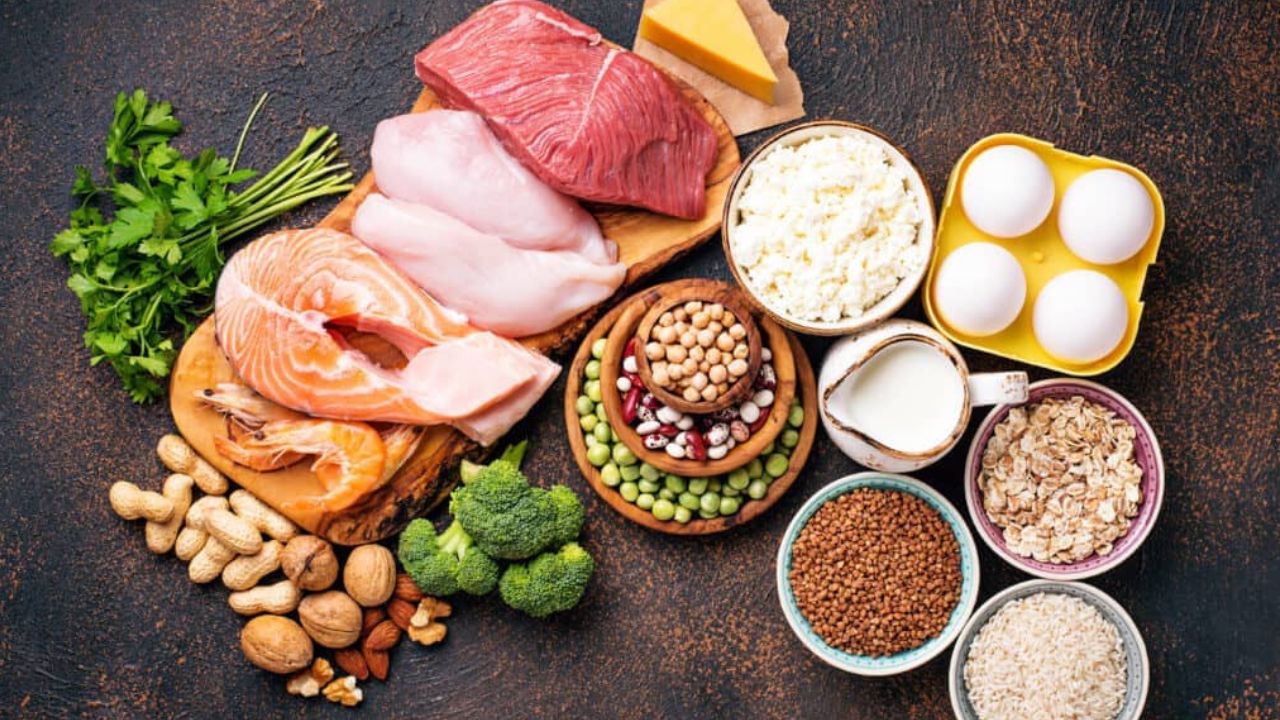
The report defines a healthy diet as one providing 2,330 kilocalories per person each day and containing six essential food groups: carbohydrates, animal-source foods, legumes, nuts and seeds, vegetables, fruits, and oils and fats.

Worldwide, around 2.69 billion people, or 32.7 per cent of the global population, were unable to afford a healthy diet in 2025. Bangladesh’s rate remains significantly higher than the global average.
Affordable fish no longer affordable
Visits to Swarighat, Ray Saheb Bazar, Sutrapur and Dhupkhola markets on Friday found pangasius selling for Tk200-Tk220 per kilogram.
Tilapia, also once regarded as an inexpensive fish, was selling for Tk250-Tk260 per kilogram.
Medium-sized ruhi cost Tk300-Tk350 per kilogram, while larger ruhi sold for Tk400-Tk450. Mrigel was priced at Tk250-Tk300, farmed koi at Tk300, native koi at Tk700-Tk800 and shing at Tk300-Tk450 per kilogram.
Mukhtar Mia, a fish trader at Dhupkhola market, blamed the latest increase on reduced supplies.




“Supplies have fallen because of the rain,” he said. “That is why the prices of farmed fish have risen further this week.”
Fish in Bangladesh is generally sold whole rather than in smaller cut portions. For low-income consumers, the need to buy an entire fish makes even comparatively cheaper varieties difficult to afford.
Many customers therefore leave the market empty-handed.
Mumin, a hawker at Ray Saheb Bazar, said Tk150 once bought enough pangasius to feed his four-member family.
“Now that amount cannot even buy half a kilogram,” he said. “What am I supposed to tell my children when they ask for fish?”
‘If I buy fish, I cannot buy vegetables’
At Sutrapur market, cleaner Rowshan Begum avoided the fish stalls and stood instead in front of a vegetable shop.
But vegetables offered little relief.
Aubergines were selling for Tk80-Tk120 per kilogram, while bitter gourd and yardlong beans cost Tk70-Tk100. Green chillies had crossed Tk320 per kilogram.
Even a basic meal of mashed potatoes has become more expensive.
Traders said continuous rainfall had disrupted supplies and pushed vegetable prices higher.
“If I buy fish, I cannot buy vegetables,” Rowshan said. “But vegetables alone cannot feed a family. I now buy whatever is slightly cheaper and return home.”
Her dilemma has become familiar to many low-income households: choosing one essential food item often means giving up another.
Eggs offer little comfort
Eggs, long considered the cheapest alternative source of protein, have also become expensive over the past four years.
Although prices eased slightly for a time, they rose again following flooding in the Chattogram region. Farm eggs are now selling for around Tk150 a dozen.
Broiler chicken is nearing Tk200 per kilogram, while Sonali chicken costs Tk360-Tk400. Beef is selling for Tk750-Tk850 per kilogram.
For many families, meat has already disappeared from the menu.
Muminul Haque, a day labourer at Ray Saheb Bazar, said he once bought fish twice a week.
“Now it is difficult to buy it even once a month,” he said. “I do not even think about buying meat anymore. It has completely disappeared from our dining table.”
A 2025 study by the University of Dhaka found that rising food prices had pushed 46 per cent of families in slum areas into mild food insecurity.
Another 21 per cent faced moderate food insecurity, while 12 per cent were experiencing severe food insecurity.
For families like Sattar’s, the crisis is no longer only about the rising cost of food. It is about how much nutrition they must give up simply to survive.