


Students, teachers and parents marched in cities across France on Tuesday while protesters blockaded hundreds of schools, in the biggest day of action yet in a wave of demonstrations demanding the government tackle understaffed and dilapidated classrooms, according to reports agencies.
The interior ministry estimated that about 86,000 people took to the streets outside the Paris region, while organisers and authorities expected between 20,000 and 40,000 to join the capital’s march, with riot police on alert. The High School Students Union said 1,800 high schools were blockaded or closed for the day, though the education ministry’s own count, as reported by French media, was 891 schools with classes fully or partly suspended. Some local education authorities tried to move lessons online.
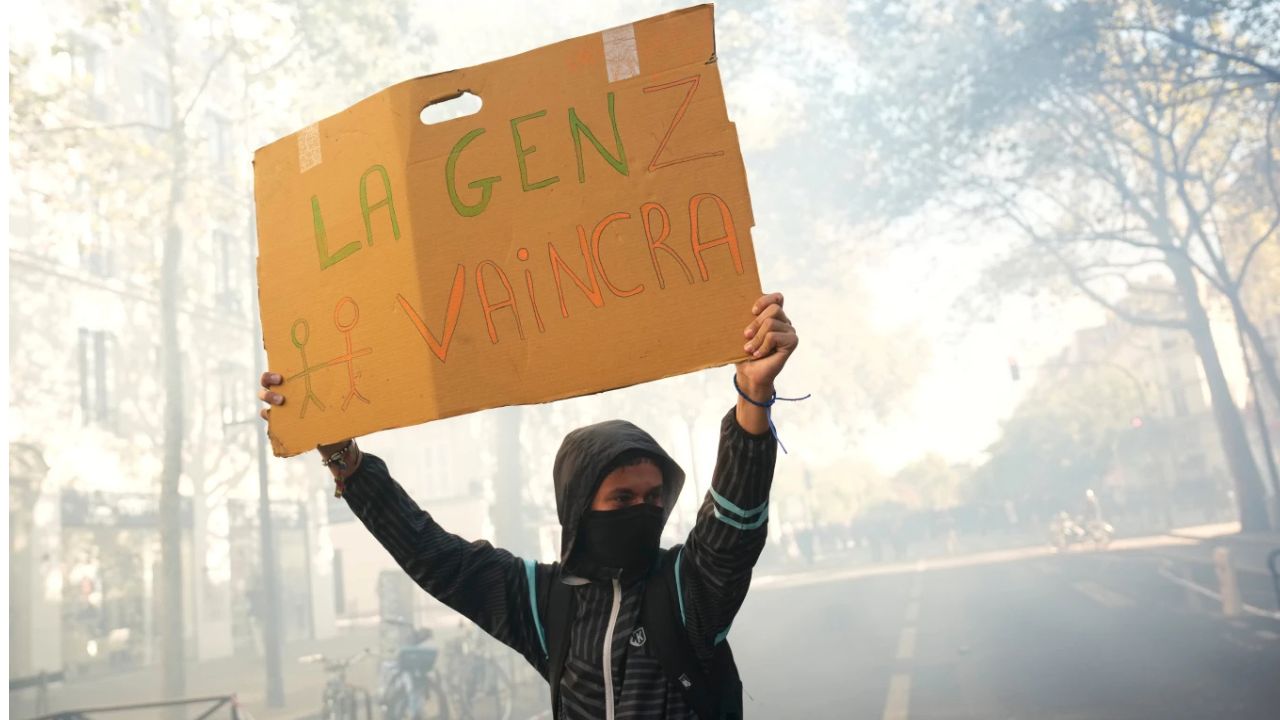
In Marseille, Nantes and Lyon, street protests began peacefully in mid-morning. Young demonstrators held up smoke flares and placards reading “Under our school books, anger” and “Where are the politicians? Do they even know we exist?” Buildings at Lille University were also barricaded as students and lecturers backed the teenagers’ cause.
In Paris, hundreds of teenagers dragged wheelie bins, metal barriers and shopping trolleys into a barricade outside the Lycée Sophie-Germain before dawn. They later walked to the Place de la République, where the march set off with delegations from trade unions and left-wing parties.

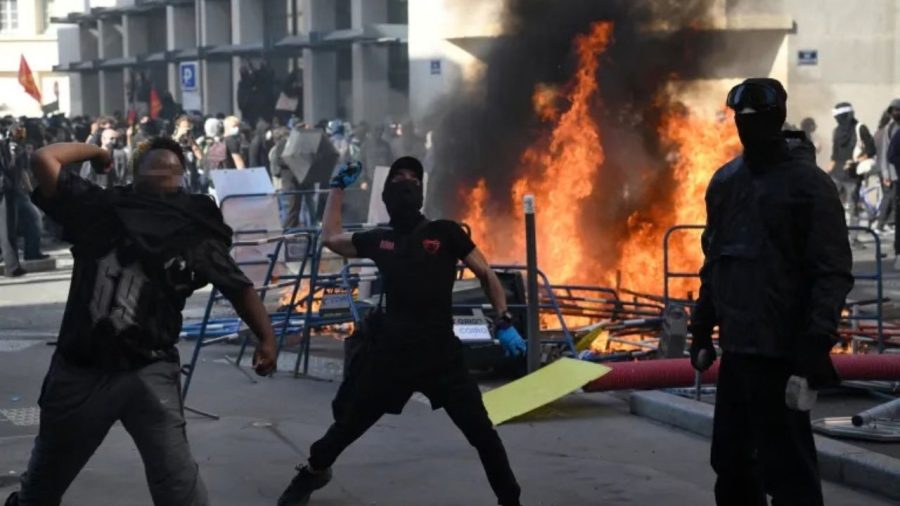
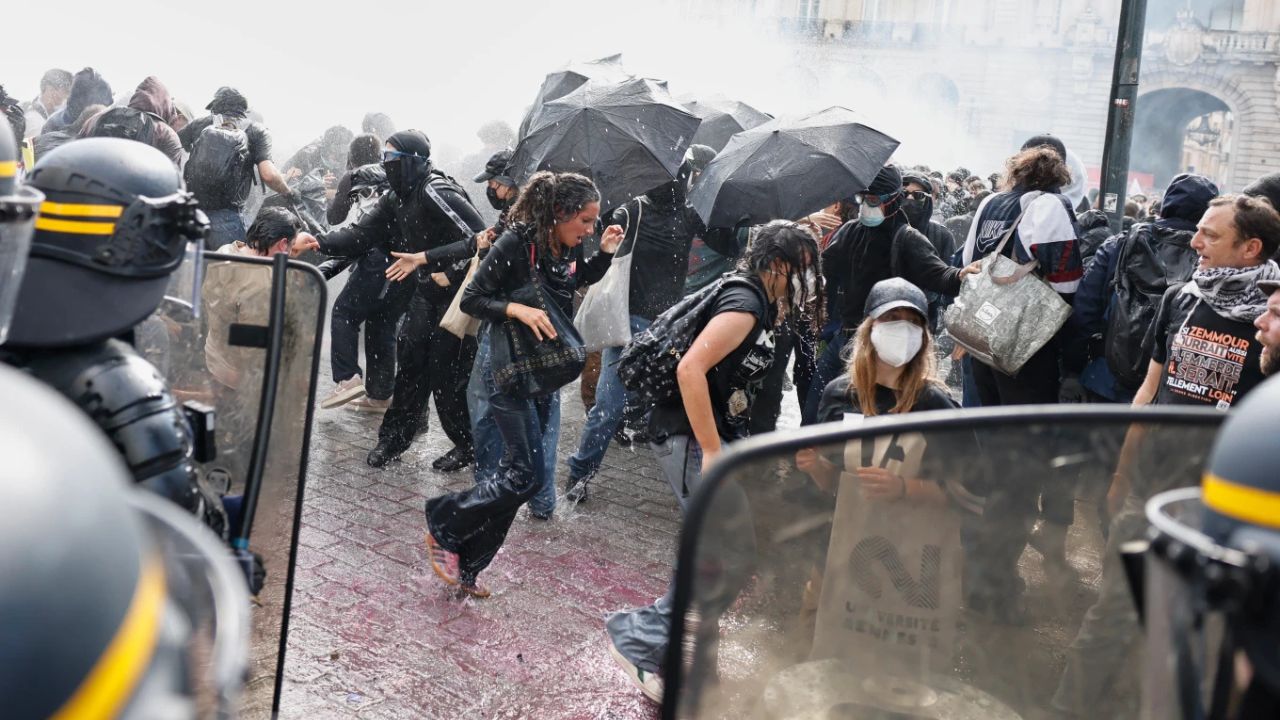
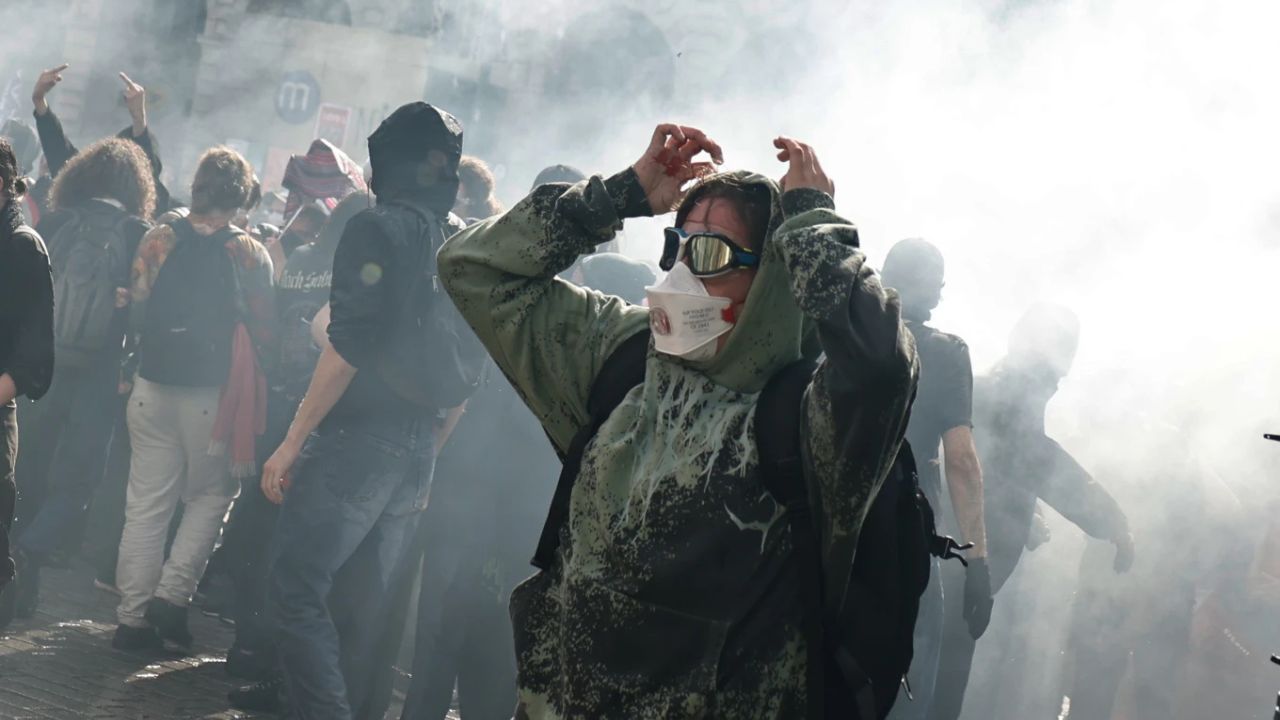
Elsewhere, tensions flared. Fires burned in Lyon as protesters and riot police clashed, riot officers used water cannon in Rennes, and firecrackers were thrown at police in Strasbourg.
The movement began last month in Paris’s deprived suburbs before spreading nationwide, taking the government by surprise. The students’ union coordinated a nationwide blockade last Tuesday, and the protests have since drawn in parents, university students and the biggest union, the CGT. Tuesday’s demonstrations were dubbed “Act Three” of the movement.
Some protests have turned violent. Several schools were set on fire, and the government says 24 have been burned or ransacked. The government called a crisis meeting with intelligence agencies on Thursday, and the education minister declared on Friday that the protests had been “hijacked”.



On Monday, a 15-year-old’s hand was blown off during clashes between high-school protesters and riot police in northern France. The incident happened in Lens, and the regional newspaper La Voix du Nord said the teenager lost his hand and part of his lower arm after picking up a police dispersal grenade. Pas-de-Calais prefect François-Xavier Lauch declined to comment on the exact circumstances, saying 200 to 250 protesters had been hurling objects at police. An investigation will establish whether the boy tried to pick up the grenade or was hit by it.
Prime Minister Sébastien Lecornu’s office said at least 715 police officers and 215 teenagers have been injured, while the government also reported 85 teaching staff hurt. The interior ministry said 6,100 people had been arrested since the protests began, the overwhelming majority of them minors. The justice ministry said more than 1,800 were being prosecuted, including 1,483 minors, without specifying the crimes, and that 790 cases had been dismissed. Interior Minister Laurent Nuñez has spoken of unprecedented “urban violence”, particularly towards teachers and security forces.
Critics, however, accuse police of excessive force. Nuñez said ten internal investigations into alleged brutality had been opened. Amnesty International called for an end to the “disproportionate police response seen in recent days”, and France’s national human rights body, the CNCDH, voiced “serious concern” over the “disproportionate use of force and procedural abuses”. It urged a de-escalation strategy.
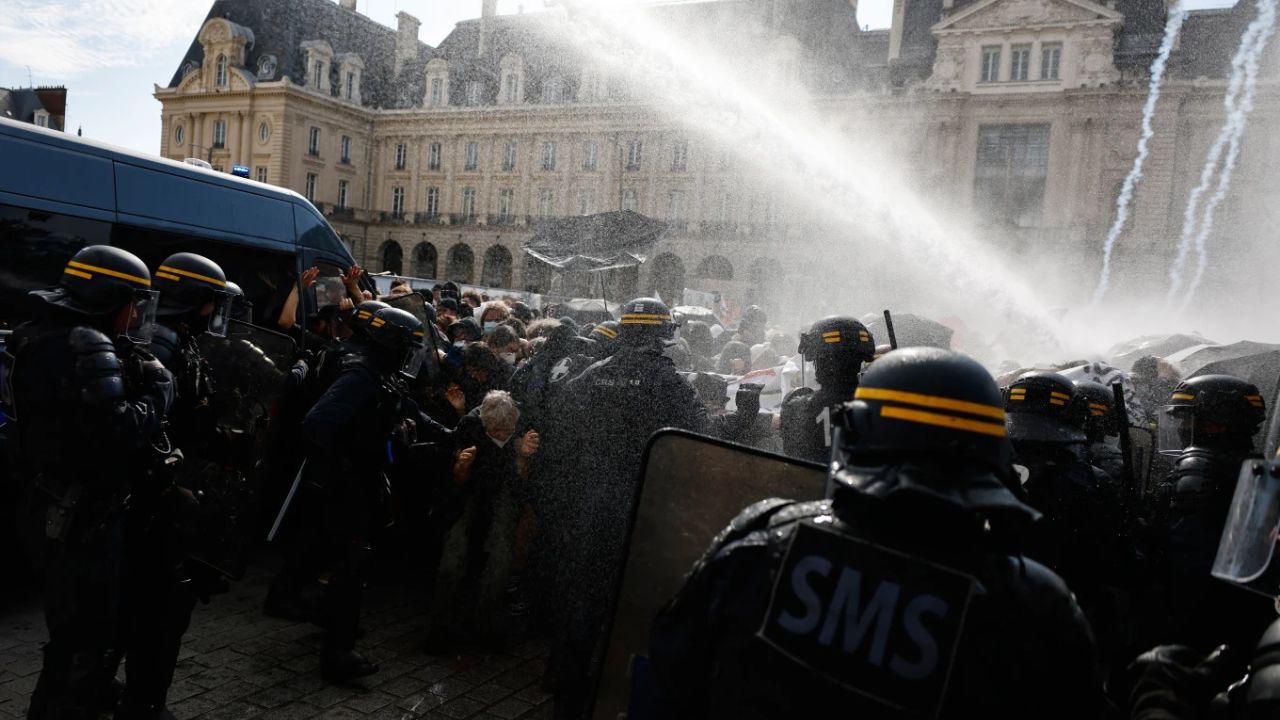
“We’re teenagers with wheelie bins, and the police have heavy weapons, it’s totally mismatched,” said Livia, 17, who asked for her real name to be withheld. “This is state violence and it’s horrible seeing police allowed to target children.”
Hugo Vetzel, a school leaver from Strasbourg now preparing for entrance exams to top universities, said: “When the answer is violence, it means democracy is no longer working. There is such a gap between the elites and us.” Another protester, Lionel, 17, said: “The aim isn’t to riot or smash things up, we just want to protest peacefully.” One teacher at Sophie-Germain said: “In more than 20 years of teaching, I’ve never seen protests this big.”
Lecornu has ordered his ministers to tackle the students’ leading demands. These include replacing absent teachers, reviewing the 8am to 6pm school day and considering longer lunch breaks. The government will also look at repairs to ageing school buildings, and ministers must submit first proposals by the end of October. The education ministry also launched a national consultation on Monday for high school students to share suggestions.
But money is tight. The protests add pressure on a government trying to narrow a ballooning budget deficit as investor worries over France’s rising debt, weak growth and reluctance to curb spending push up bond yields. The 10-year yield briefly topped 5 percent last week, a 24-year high. Finance Minister Roland Lescure said on Tuesday there was no need for the European Central Bank to step in.
The unrest also carries political risk before next spring’s presidential election to replace Emmanuel Macron. Far-right leader Marine Le Pen, who leads the race, has set out plans to slash public spending. The government and her National Rally party accuse hard-left France Unbowed lawmakers and mayors of stoking the protests, an accusation France Unbowed denies. Bally Bagayoko, the party’s mayor of Saint-Denis, said he opposed violence but backed the students: “I stand by being on the side of my residents, and high school students are my residents.”