
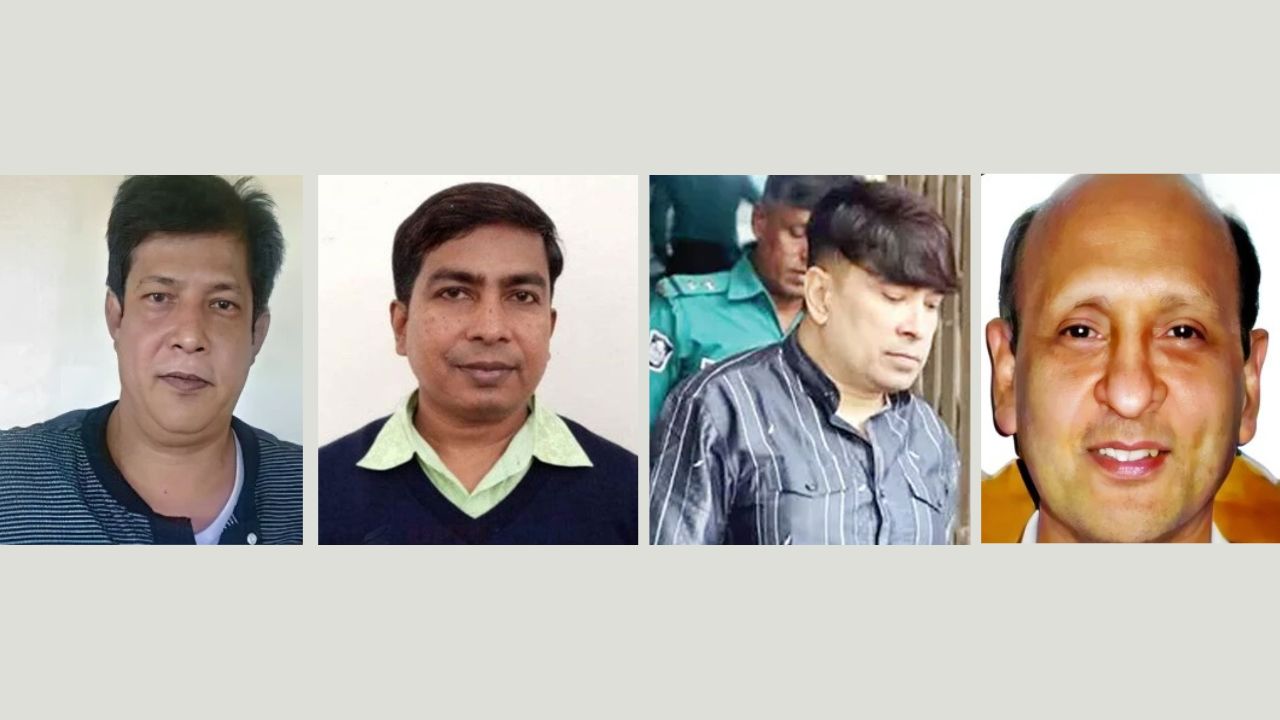

The fallout from the July uprising created a dangerous security vacuum, opening the floodgates for notorious criminal networks to reclaim their turf.
As the Awami League government collapsed on 5 August 2024, violent chaos erupted across 17 prisons nationwide, enabling at least 2,200 inmates, ranging from hardened convicts to death-row terrorists, to break free.
Around 700 of these escapees are still on the run, including 11 high-profile underworld bosses and 70 convicted militants, according to the Department of Prisons.
Compounding the crisis, a further 174 high-risk figures managed to secure bail orders from courts, leaving prison authorities legally bound to set them free.
What makes this resurgence truly lethal, however, is the sheer volume of missing firepower now circulating on the streets.
During the post-uprising lawlessness, rioters looted 5,750 firearms and over 6,50,000 rounds of ammunition from police stations.
While authorities have reclaimed a portion, 1,419 weapons and more than 2,63,000 live rounds are still unaccounted for.
Intelligence agencies now warn that these deadly arsenals have funnelled directly into the hands of criminal syndicates, arming the country’s old underworld with unprecedented firepower.
Old names return to the streets
The resurgence of several notorious figures from the underworld past has stoked deep fears of a revival in organised crime.

Of the 23 top criminals originally blacklisted in 2001, at least 11 have been released under the interim government, including infamous figures such as Killer Abbas, Sweden Aslam, Pichchi Helal, Imon, Titon, and Freedom Rasu.
While former inspector general of police Nur Mohammad told TIMES of Bangladesh that authorities have no legal grounds to detain individuals once a court grants bail, security analysts warn that the real danger lies in the lack of post-release monitoring.
As one security official pointed out, releasing a prisoner on court orders is standard legal procedure, but stopping them from rebuilding their criminal networks requires relentless, effective surveillance.
Surveillance gap allows networks to rebuild
Law enforcement agencies traditionally keep a tight leash on top criminals, many of whom have famously run extortion syndicates from behind bars using mobile phones.
However, in the wake of the August 2024 political upheaval, that crucial monitoring severely faltered.
Exploiting this sudden surveillance vacuum, several newly released figures moved swiftly to re-establish control over their former turf.




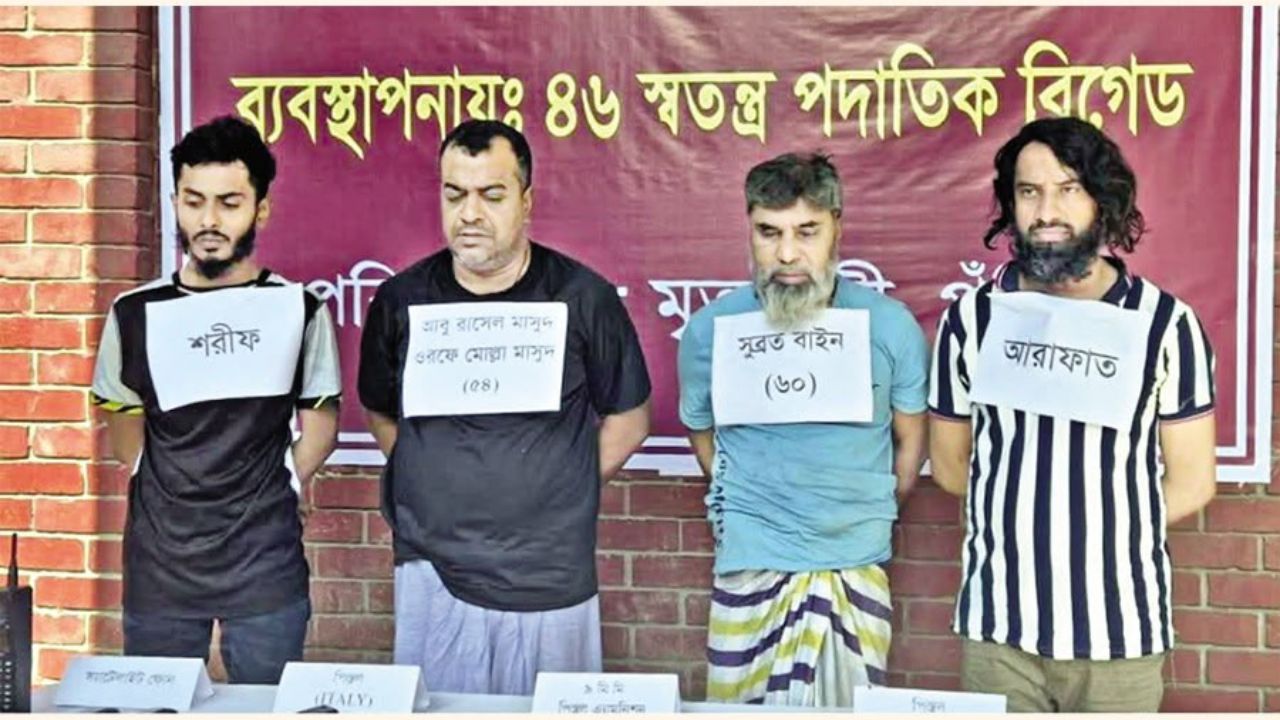
Subrata Bain was among the first high-profile gang leaders to resurface publicly.
His unannounced appearance with associates at Moghbazar’s Bishal Centre shortly after 5 August sent shockwaves through the local business community.
On 29 September 2024, he reportedly intervened in a shop occupation dispute, convening a meeting with local traders before his operatives began actively asserting dominance across Moghbazar, Malibagh, Eskaton, Ramna, and Kakrail.
Although Bain was subsequently re-arrested, deep anxieties persist over the lingering reach of his revived network.
Extortion and turf battles return
Following their release, several underworld figures wasted no time attempting to reclaim their former strongholds through protection rackets and local street gangs.
The brewing feud between Imon and Pichchi Helal has become one of the most glaring flashpoints, with tension escalating after violent attacks on two businessmen in Elephant Road.
Investigative leads have since linked Imon’s operatives to a string of criminal activities, from hijacking New Market public toilet tenders and muscling into Hatirjheel construction projects, to property disputes in the Mahanagar Project, violence in Zigatala and Dhanmondi, and the high-profile murder of Deepto Television official Tanzil Jahan Islam Tamim.
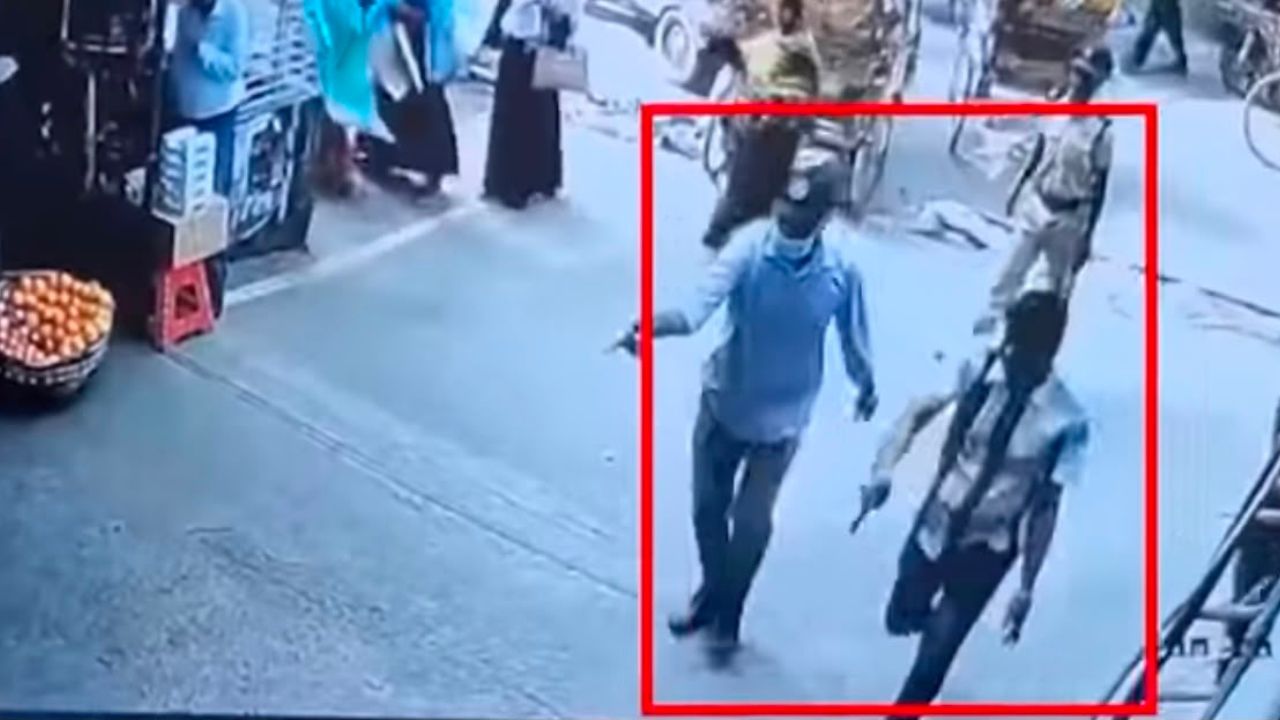
Pichchi Helal, too, found himself named in a fresh murder case shortly after stepping out of prison following nearly two decades behind bars.
Meanwhile, in Mirpur, ‘D Block’ Mamun has resurfaced as a major threat.
Despite facing at least 27 criminal cases, he has allegedly been shaking down local businessmen using foreign phone numbers while his henchmen tighten their grip on the lucrative garment-waste (jhut) trade and other illicit operations.
Similarly, Sweden Aslam, a notorious figure implicated in 22 cases, has resumed public life post-release, sending a chill through residents and traders long familiar with his grim history in contract killings.
Violence exposes underworld rivalry
The assassination of top criminal Titon on 28 April brought the resurgence of organised crime roaring back into the public consciousness, raising urgent fears that Dhaka is slipping back into the blood-soaked underworld culture of the 1990s.
A breakdown of incidents over the past 21 months reveals a grim tally of at least seven high-profile killings tied directly to gang warfare and underworld hits.
Law enforcement agencies believe the vast majority of these targeted executions stem from fierce internal power struggles over territorial dominance.
Investigators have uncovered that many of these hits were masterminded from overseas, with kingpins pulling the strings from abroad while local operatives executed the orders on the ground.
Of the seven major attacks, six were drive-by shootings and one was a fatal stabbing, with every victim linked to illicit syndicates or criminal networks.
A similar turf war flared up in Mirpur, where Manzurul Islam (alias Babu) was gunned down in Pallabi on 20 January following a bitter feud between the Mamun and Musa factions. Police also traced a brutal double murder near Rayerbazar’s Sadek Khan Arat on 20 September 2024 back to rival gangs battling to control local extortion routes in the wake of the political transition.
Experts warn of deeper security challenge
Arresting gang leaders alone will offer nothing more than a temporary quick fix, warns criminologist Touhidul Haque, a faculty member at the University of Dhaka’s Institute of Social Welfare and Research.
Speaking to TIMES of Bangladesh, Haque argued that long-term stability requires dismantling the broader power structures.
“Authorities must also bring their political patrons under the law. Political parties need to break free from the culture of using criminals as enforcers and granting them safe harbour,” he insisted.
He pointed to a toxic combination of factors behind the underworld’s resurgence: the breakdown of law enforcement during the unrest, court-ordered releases, lax post-release monitoring, and rival gangs scrambling to fill the power vacuum.
Addressing the legal backdrop, Supreme Court lawyer Syed Mamun Mahbub told TIMES that defence teams strategically petitioned for bail during the interim government’s transitional window, with courts issuing releases in strict accordance with legal procedure.
However, security analyst Retired Colonel Kazi Sharif offered a harsher assessment of the fallout.
He cautioned that Bangladesh drifted into acute security risk immediately following 5 August, telling TIMES, “The old networks of the underworld saw an opening and seized it.” Heavily critical of the interim administration’s handling of the crisis, Sharif added that authorities have so far failed to bring the spiralling situation back under control.