As the first light of dawn breaks on Pohela Baishakh, the air feels lighter, streets brighter, and a shared sense of renewal brings people together in a way few occasions can. Celebrated on the first day of the Bengali calendar, Pohela Baishakh is an emotion deeply woven into the cultural fabric of Bengali life.
Rooted in agrarian traditions, the origins of Pohela Baishakh trace back to the Mughal era. Emperor Akbar introduced the Bengali calendar to streamline tax collection with the harvest season. Over time, what began as an administrative reform evolved into a vibrant cultural celebration, transcending religion, class and geography.

In Bangladesh, Pohela Baishakh stands as a powerful symbol of unity and identity. It is one of the few festivals embraced by all, regardless of faith. The day begins early, often with people dressed in traditional attire: white saris with red borders for women, and panjabis for men.
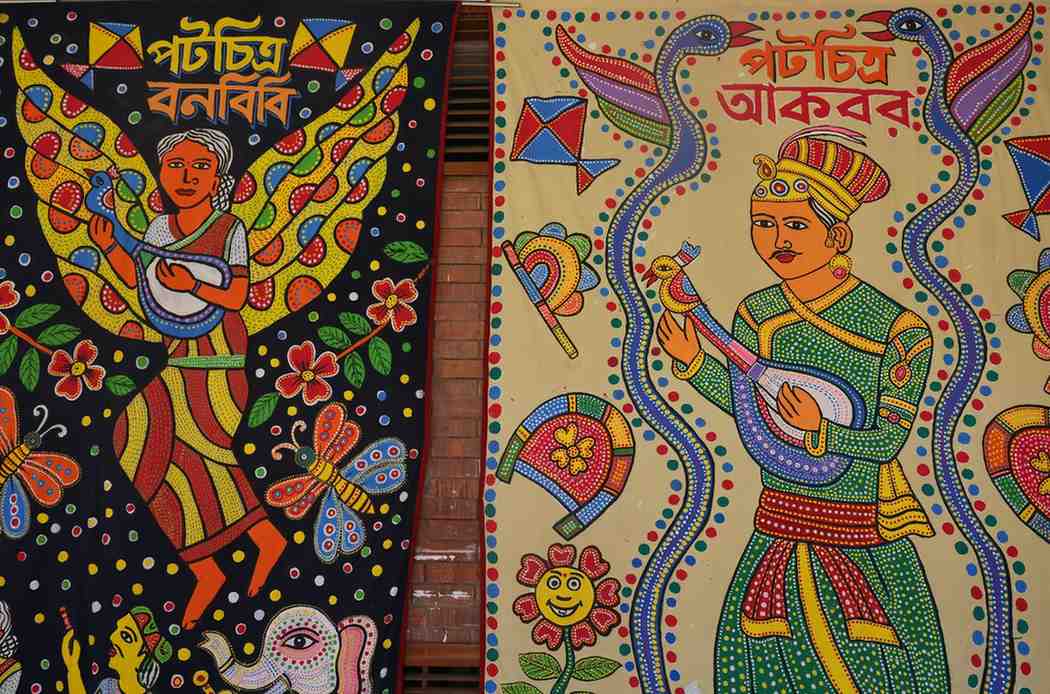
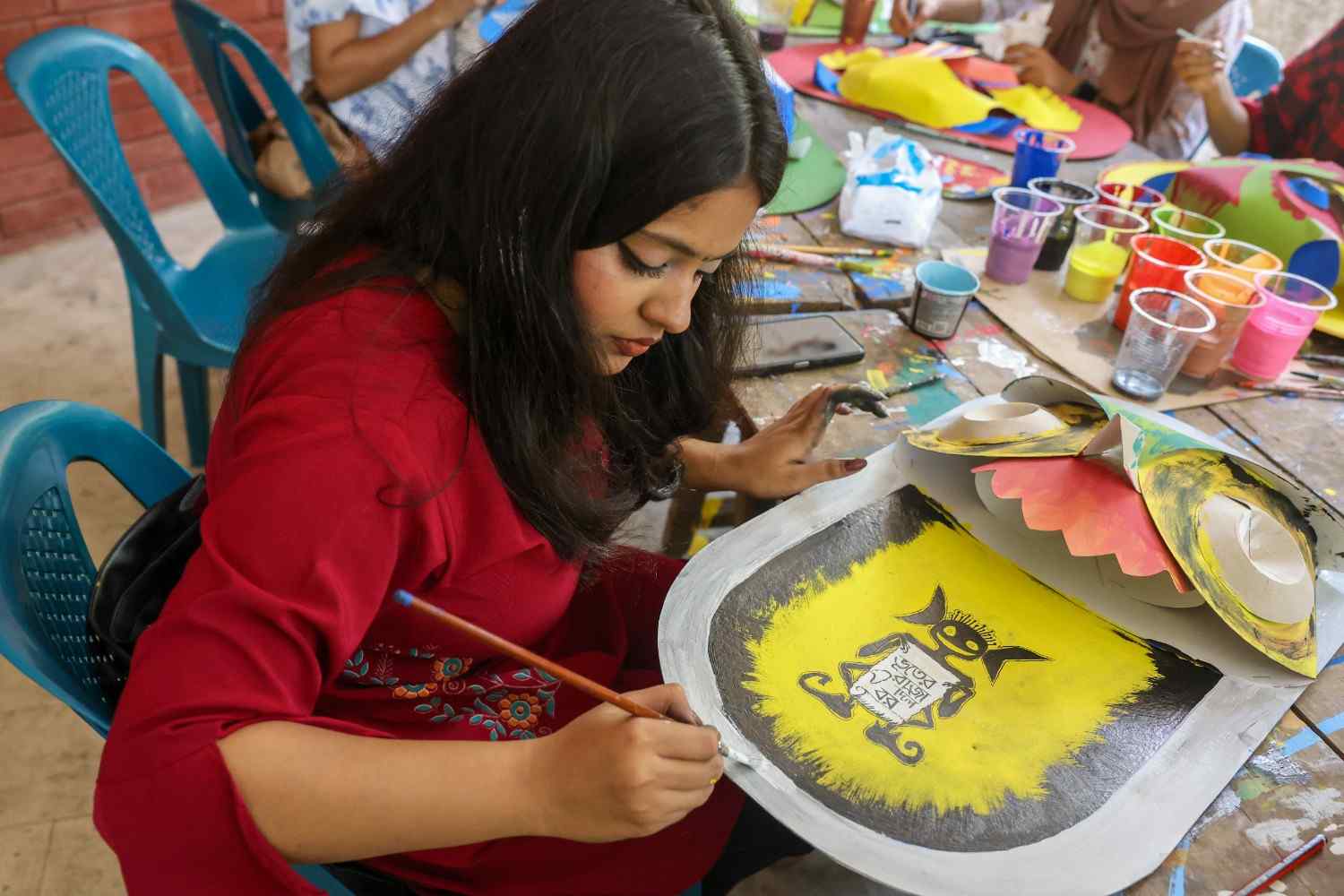
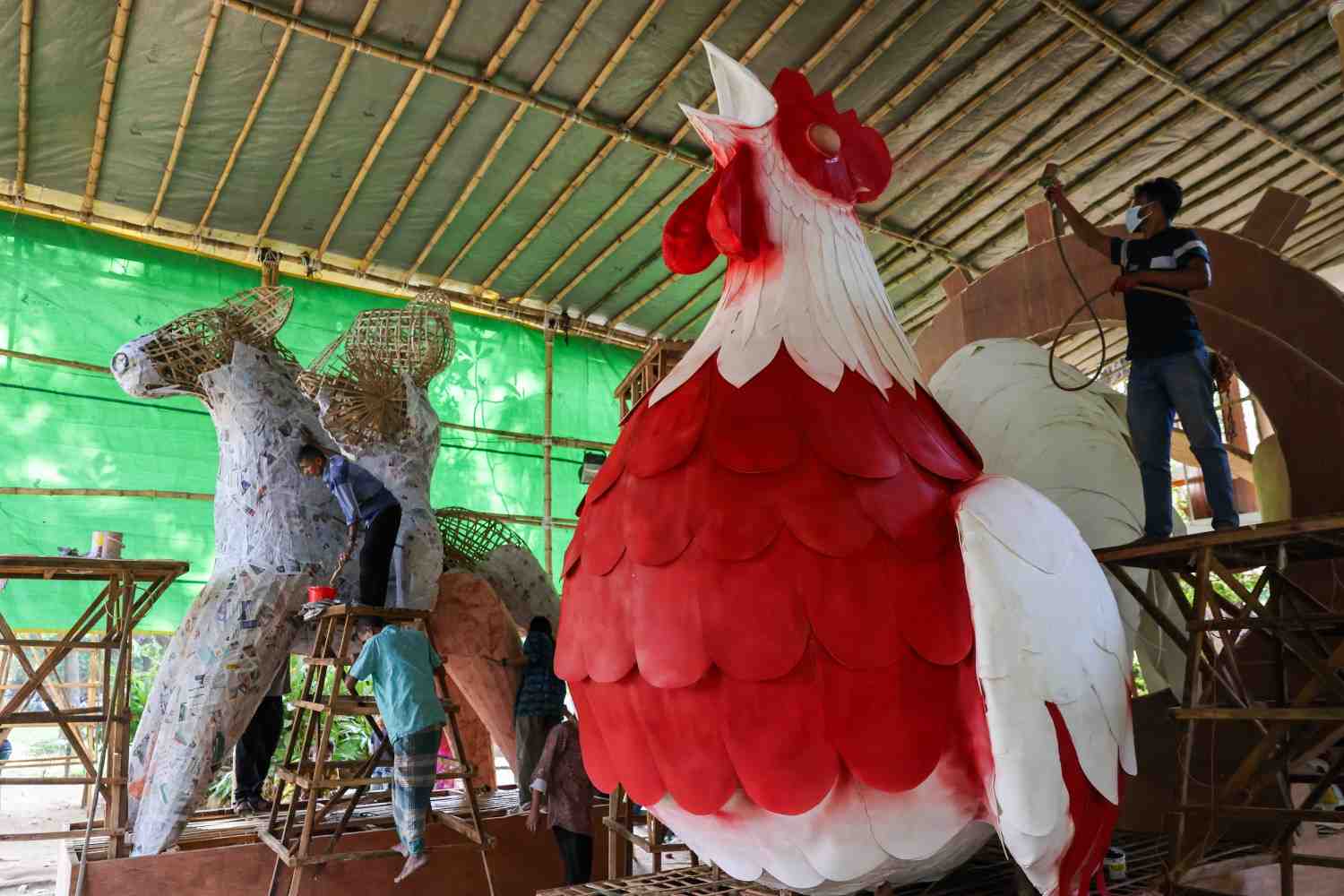
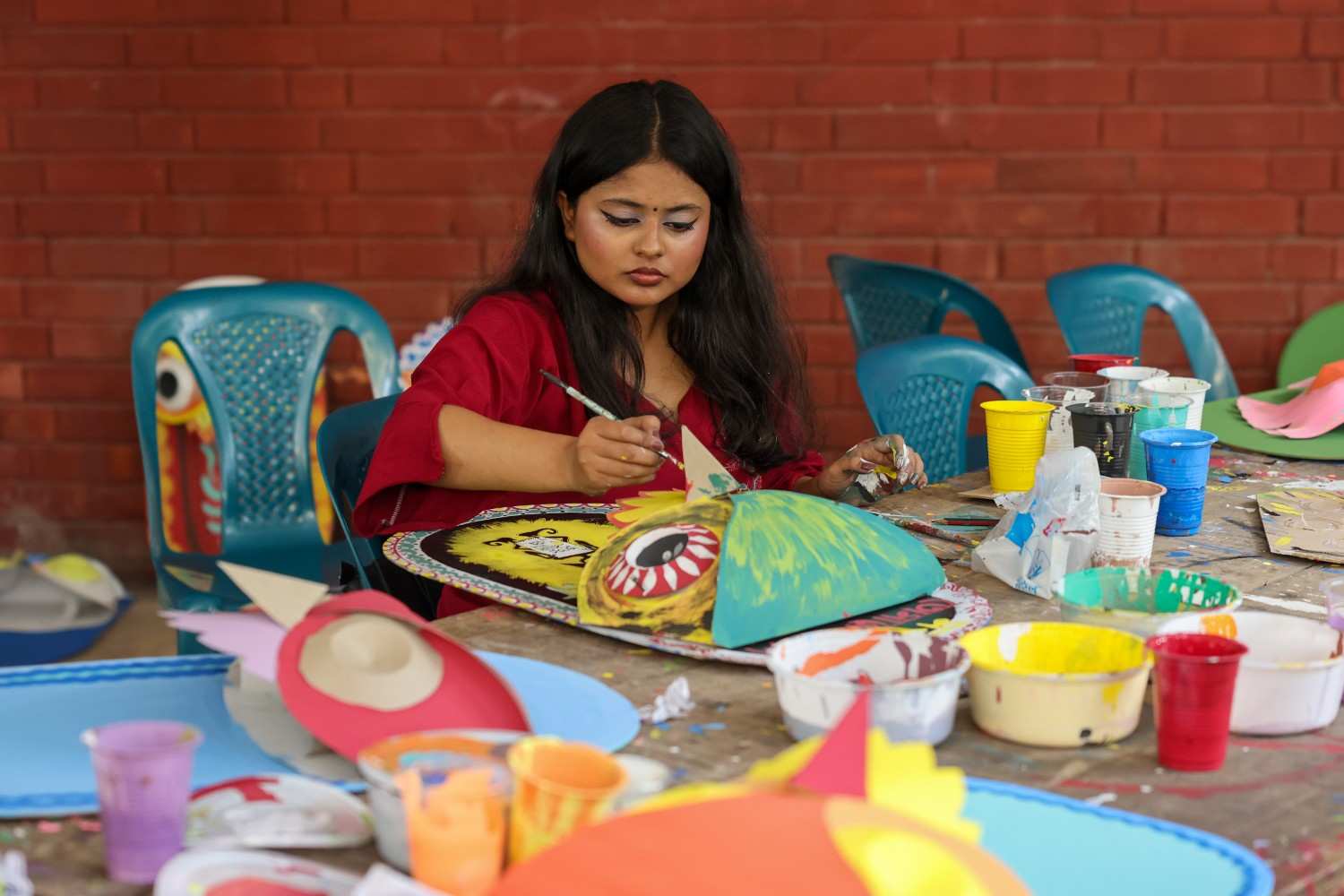
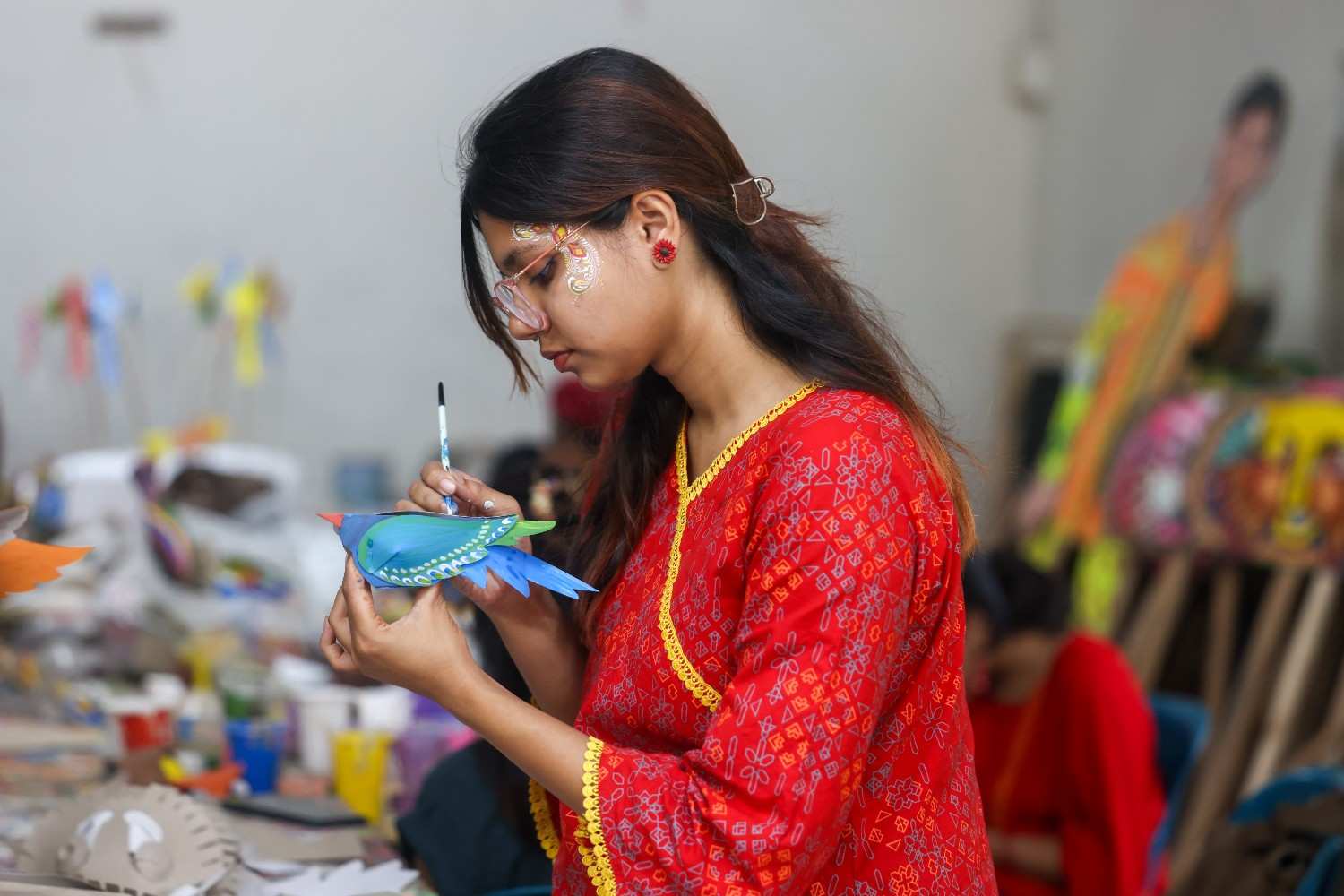
The iconic procession, Baishakhi Shobhajatra, organised by students and teachers at the University of Dhaka, captures the spirit of the day. With colourful masks, motifs inspired by folklore and symbolic figures, it reflects collective hopes for a brighter, more harmonious year ahead.




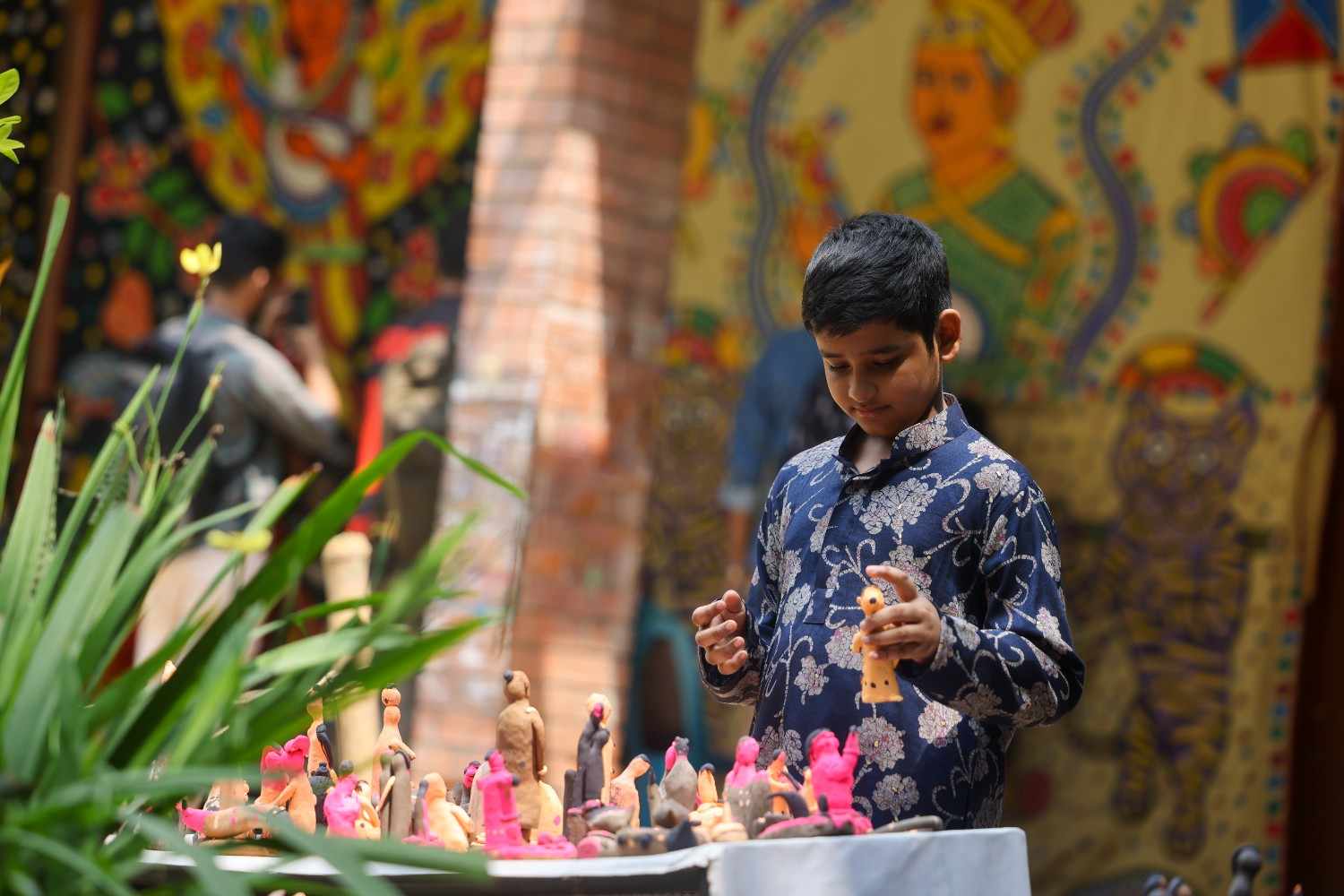
Music is central to the celebration. The timeless songs of Rabindranath Tagore echo through parks and open spaces, especially “Esho Hay Baishakh,” which has become an unofficial anthem of the festival. Cultural programmes, poetry recitations and folk performances fill the day with artistic expression, reminding people of their rich heritage.
Food, too, plays a meaningful role. Families and friends gather to enjoy traditional dishes, with Panta Bhat and Ilish forming a classic combination. The simplicity of the meal reflects a return to roots, a reminder of the rural life that once defined Bengal.
For the business community, Pohela Baishakh carries a distinct significance through the tradition of ‘Haal Khata’. On this day, shopkeepers ceremonially close old account books and open new ones, inviting customers to settle past dues and begin the year afresh.
Often accompanied by sweets, greetings and small gatherings, this practice blends commerce with culture, turning a routine financial ritual into a moment of social connection and goodwill.
In an increasingly globalised world, Pohela Baishakh remains a grounding force. It reconnects people with their language, traditions and shared history. More than just a festival, it is a reaffirmation of who Bengalis are. This day celebrates resilience, inclusivity and the enduring beauty of our cultural identity.