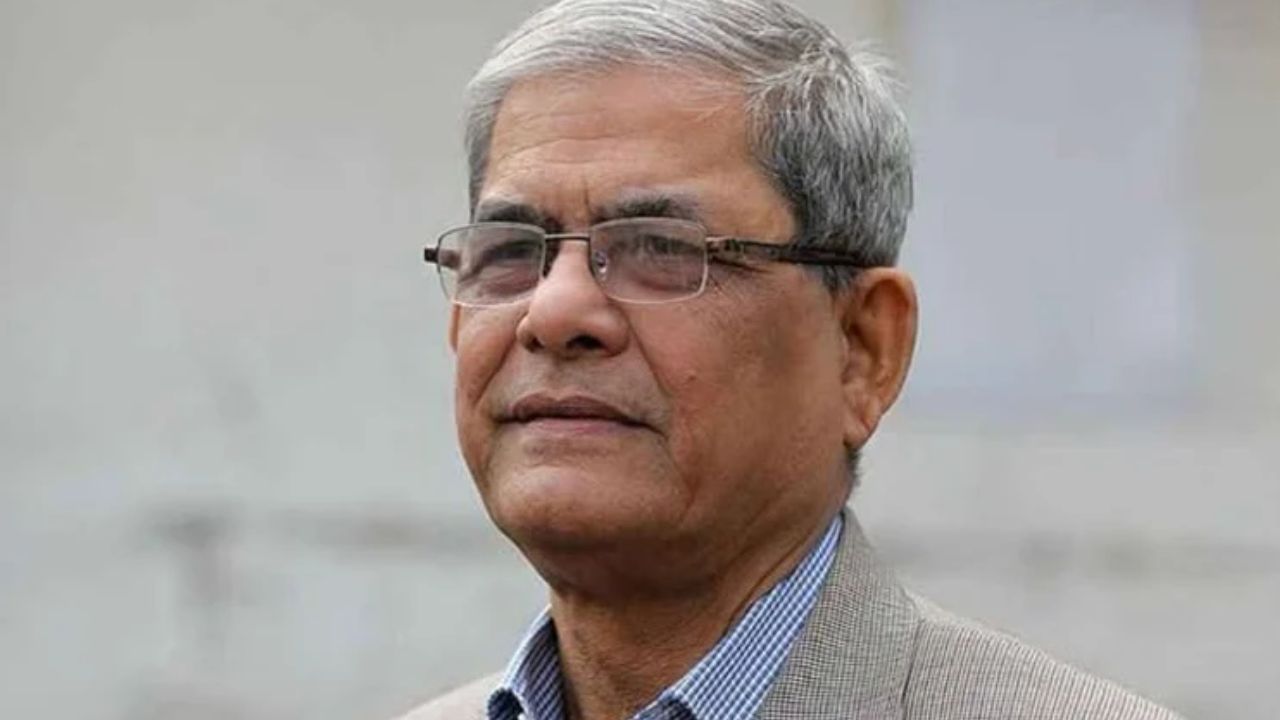
Prime Minister Tarique Rahman is scheduled to travel to Beijing on a four-day bilateral visit from June 23 to 26, marking his first engagement with a major global power since taking office in February.
The four-day visit is expected to be a key test of the new government’s approach to managing relations with China, one of Bangladesh’s closest development partners and a major source of infrastructure financing, and other regional powers.
Prior to China visit, the Bangladeshi PM is scheduled to fly to Malaysia on a two-day visit on 21 June, which will be his maiden overseas trip as prime minister.
It is not yet decided whether he will fly to China from Malaysia or come back to Dhaka and travel to Beijing. Foreign ministry officials said it will be determined once Foreign Minister Khalilur Rahman returns home today (Thursday).
While a wide range of bilateral, regional and international issues are expected to be discussed, diplomats and analysts argue that Dhaka may need to take clearer positions on several strategic issues if it hopes to secure meaningful outcomes from the visit.
Foremost among them are the long-delayed Teesta River Comprehensive Management and Restoration Project (TRCMRP) and China’s three flagship international frameworks — the Global Development Initiative (GDI), the Global Security Initiative (GSI) and the Global Civilisation Initiative (GCI).
The decisions taken during the visit could offer an early indication of how Tarique Rahman government intends to balance relations among the global and major regional powers, including India and Japan while advancing Bangladesh’s economic and strategic interests.
Teesta back in focus
The Teesta River project is expected to feature prominently in discussions between Dhaka and Beijing.

Khalilur Rahman raised the issue during his visit to China in May, when he held talks with Chinese Foreign Minister Wang Yi.
A joint statement issued after the meeting noted that “the Bangladeshi side sought the involvement and support of China in the Teesta River Comprehensive Management and Restoration Project”.
Although Bangladesh and China have discussed the project for years, Dhaka has yet to make a final decision on Chinese participation.
Former Prime Minister Sheikh Hasina had shown interest in involving China in the project in 2024. However, the decision was deferred following her visit to India in June that year.
Diplomatic observers say the postponement was not well received in Beijing and contributed to the limited outcomes of her subsequent visit to China in July 2024.




Dhaka cannot wait indefinitely
Former Bangladesh Ambassador and former Deputy High Commissioner in New Delhi Mahbub Hassan Saleh said Bangladesh must take practical decisions to address its long-standing Teesta challenges.
“Bangladesh and India agreed on the text of the Teesta water-sharing agreement and initialed it at the official level in 2011, but it has remained unsigned for the past 15 years, due to India’s failure to sign it” he said, talking to TIMES of Bangladesh.
According to Saleh, Bangladesh is fully entitled to seek Chinese cooperation on river management and restoration projects as a sovereign state.
“Dhaka cannot wait indefinitely. India showed interest regarding the Teesta project, but there has been no visible progress,” he said, pointing out that China has emerged as a trusted and tested development partner for Bangladesh, supporting several major infrastructure projects.
“India may not be happy with Chinese involvement in the Teesta project, but Bangladesh must pursue whatever options best serve its national interests,” he added.
The three Chinese initiatives
Another issue likely to feature in the discussions is Bangladesh’s position on China’s three major international initiatives — the GDI, GSI and GCI.
Proposed between 2021 and 2023, the initiatives collectively represent Beijing’s vision for international development, security and global governance in an increasingly multipolar world.
The Global Development Initiative, launched in 2021, focuses on accelerating implementation of the UN’s Sustainable Development Goals through cooperation in poverty reduction, green development, food security, digital connectivity and economic growth, particularly in developing countries.
The Global Security Initiative, unveiled in 2022, advocates what Beijing describes as a common, comprehensive and cooperative security framework. It emphasises respect for sovereignty, non-interference and dialogue-based conflict resolution.
The Global Civilisation Initiative, introduced in 2023, promotes mutual respect among different cultures and civilisations and argues that countries should be free to pursue development paths suited to their own historical and cultural contexts.
During Sheikh Hasina’s visit to China in July 2024, the two countries discussed all three initiatives, but Bangladesh didn’t show any interest in joining the China-led initiatives.
A joint statement issued after the visit noted that “the two sides discussed various aspects of the Global Development Initiative put forward by President Xi Jinping. The Chinese side is ready to share experience on GDI issues with the Bangladesh side.
The Chinese side also presented the Global Security Initiative (GSI) and the Global Civilization Initiative (GCI) to the Bangladesh side to ensure peace, development and shared prosperity for all.”
Balancing opportunity and sensitivity
Former Bangladesh ambassador to China Munshi Faiz Ahmed said Dhaka should carefully evaluate the initiatives based on its national interests.
“GDI and GCI are not particularly sensitive initiatives, and many countries have joined or supported them as part of broader development and cultural cooperation with China,” he said.
According to Ahmed, the GSI presents a different set of considerations because of its security dimension and the geopolitical sensitivities surrounding strategic competition among major powers.
“We should consider joining or engaging more actively with the GDI and GCI to strengthen development cooperation and expand areas of partnership with China,” he said.
Beijing is likely to seek a clearer indication of Bangladesh’s position on the three initiatives during the upcoming visit. While Dhaka may prefer to maintain strategic flexibility, some form of policy response could be necessary if the two sides are to elevate their partnership to a higher level, according multiple sources in the government.
For the new government, they said the challenge will be to maximise economic and development opportunities from China while maintaining balanced relations with other key partners in the region.