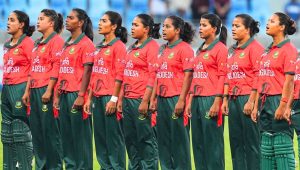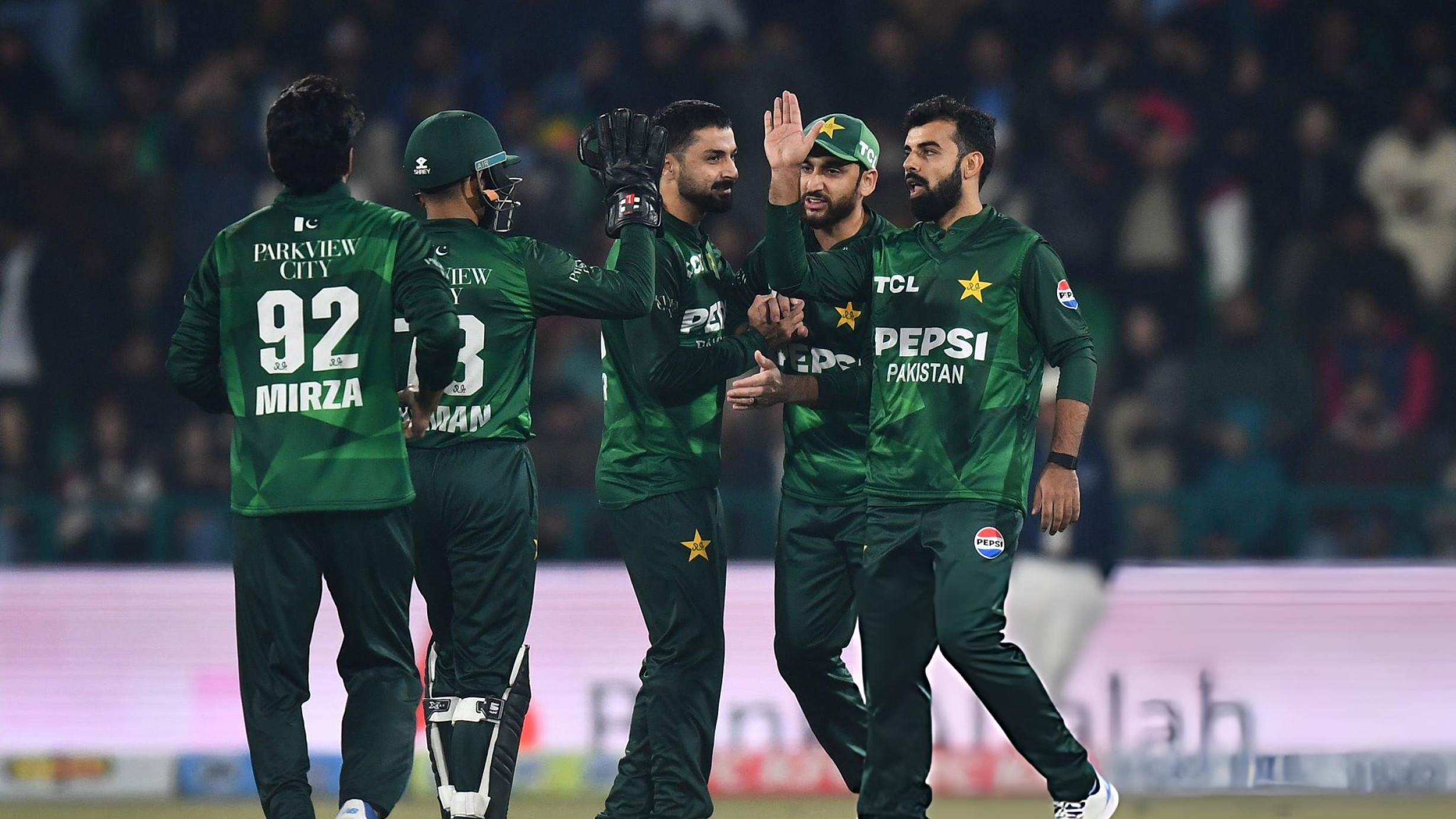

Pakistan will not face India in the World Cup group stage after Islamabad decided to boycott the fixture, citing protests over Bangladesh’s exclusion, and the decision landed this week after government talks in Pakistan.
The game sells itself. India vs Pakistan fuels broadcasters, sponsors and ticket sales like nothing else in cricket, so the immediate panic focuses on money and punishment.
Talk of billion-rupee losses and sweeping bans travels fast. Asia Cups, bilateral cricket and ICC sanctions all sit in the rumour mill.

History, though, cools the noise. This sport has seen boycotts before, and governments often sit at the centre of them.
Australia and West Indies refused to tour Sri Lanka in 1996 on security grounds. New Zealand and England skipped matches in Zimbabwe in 2003 under government instruction.




In every case, the ICC held its fire. Boards received full revenue, participation fees landed on time, and no long-term bans followed.
The key detail matters here. Governments made those calls, not cricket boards, and the ICC treated them differently.
Pakistan mirrors that path. The Pakistan Cricket Board spoke to the government, and the government made the call.
That distinction protects Pakistan. The ICC historically avoids punishing boards for sovereign decisions, especially when security or political concerns lead.
Financial loss also looks overstated. Pakistan earns its central revenue share from the tournament, not from a single fixture.
Yes, the ICC loses its marquee event. Pakistan likely does not.