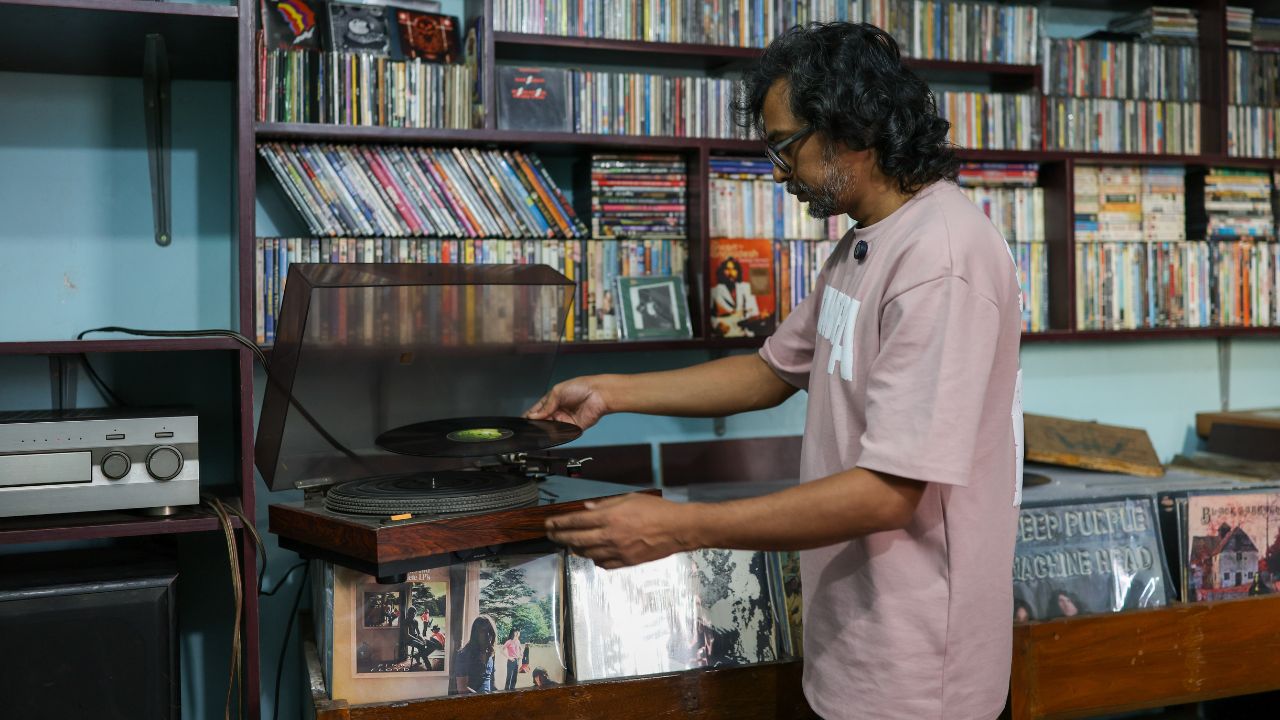



For decades, music lovers in Dhaka knew exactly where to go for new albums, rare recordings, and the latest bands.
A lane around Elephant Road became so closely associated with music that it came to be known simply as “Gaaner Goli” (Music alley). Its cassette, LP, and CD shops once formed an important part of Dhaka’s music culture.
Today, only a few remain.
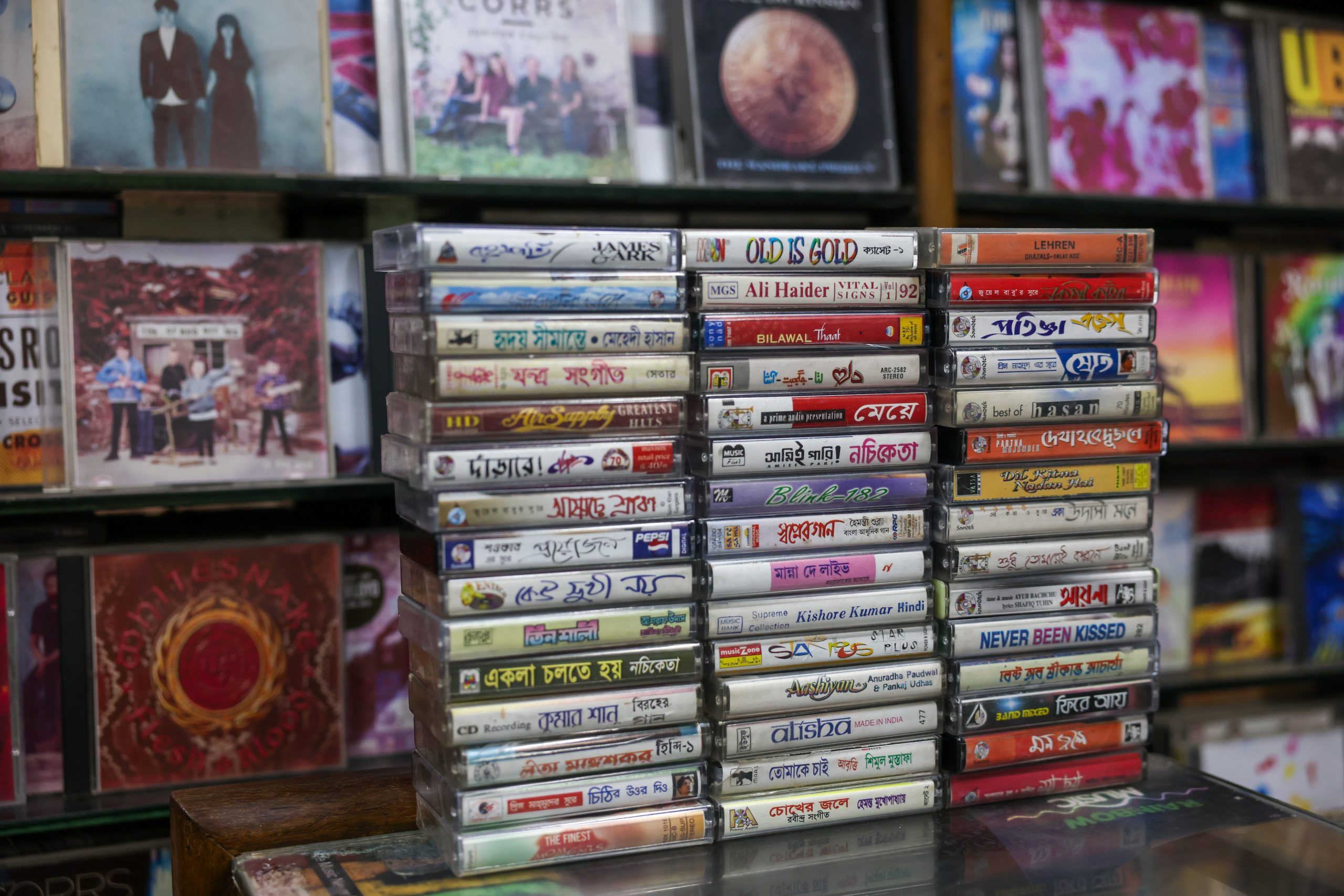
Surabina is one of them. Its shelves still hold old cassettes and CDs, but customers have almost disappeared. Nearby, Rainbow, once one of Bangladesh’s most important cassette houses, played a significant role in bringing emerging bands and musicians to listeners.
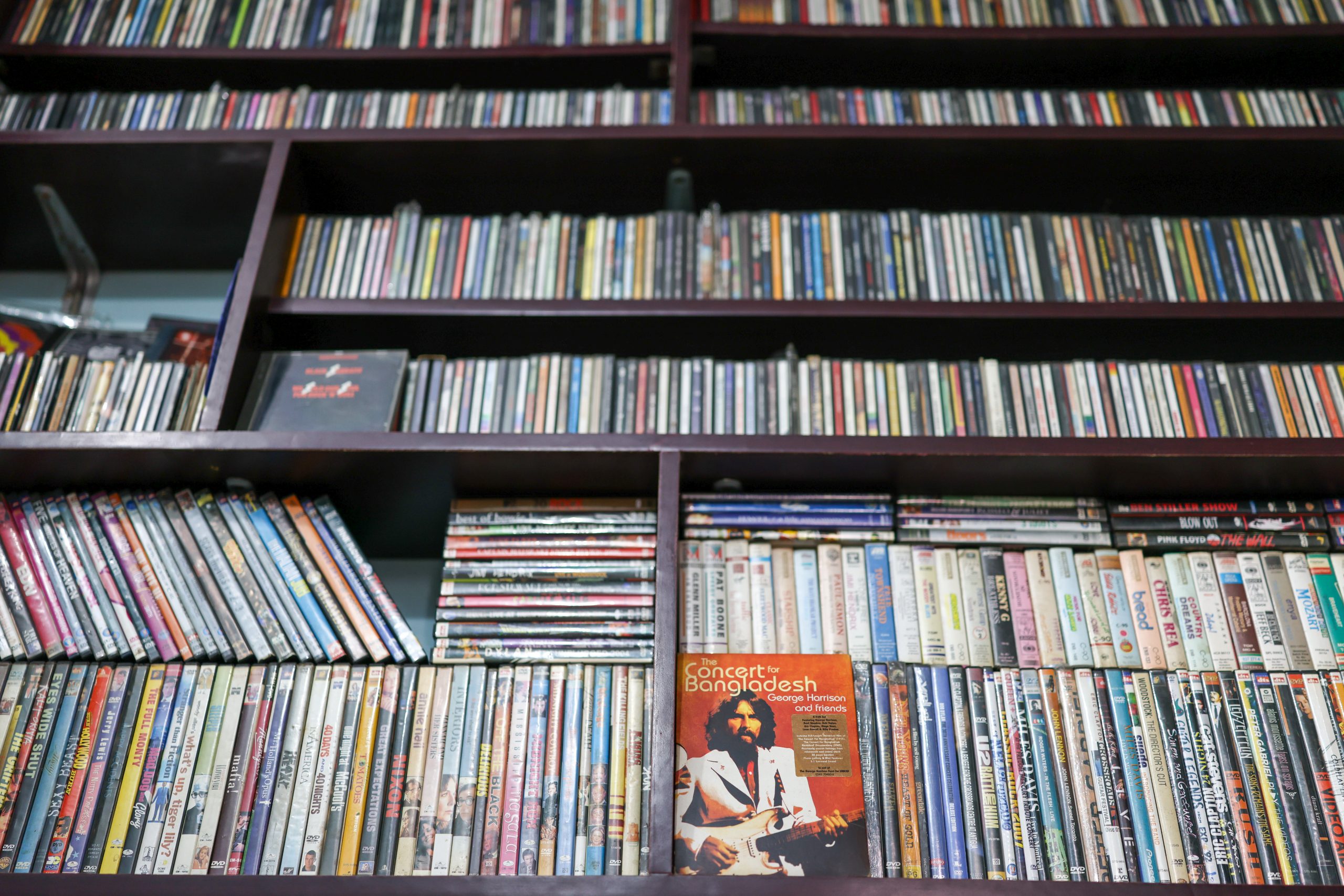
Mohammad Uzzal, owner of Surabina, has witnessed this change firsthand. “There was a time when this place was thriving,” he said. Now, some days pass without a single customer buying a cassette. Those who still come are mostly collectors.”

Yet Uzzal continues to keep his shop open. The business is no longer enough to support a family, but the shelves contain something more valuable than merchandise: Fragments of Bangladesh’s musical history.
Thousands of cassettes, CDs, and records preserve recordings, album artwork, labels, and other traces of a music industry that existed long before streaming. That raises a question beyond the survival of the shops: What will happen to these collections when their owners are gone?
Cassette collector Milu Aman has spent years building a personal collection of Bangladeshi, Indian, and Western music.




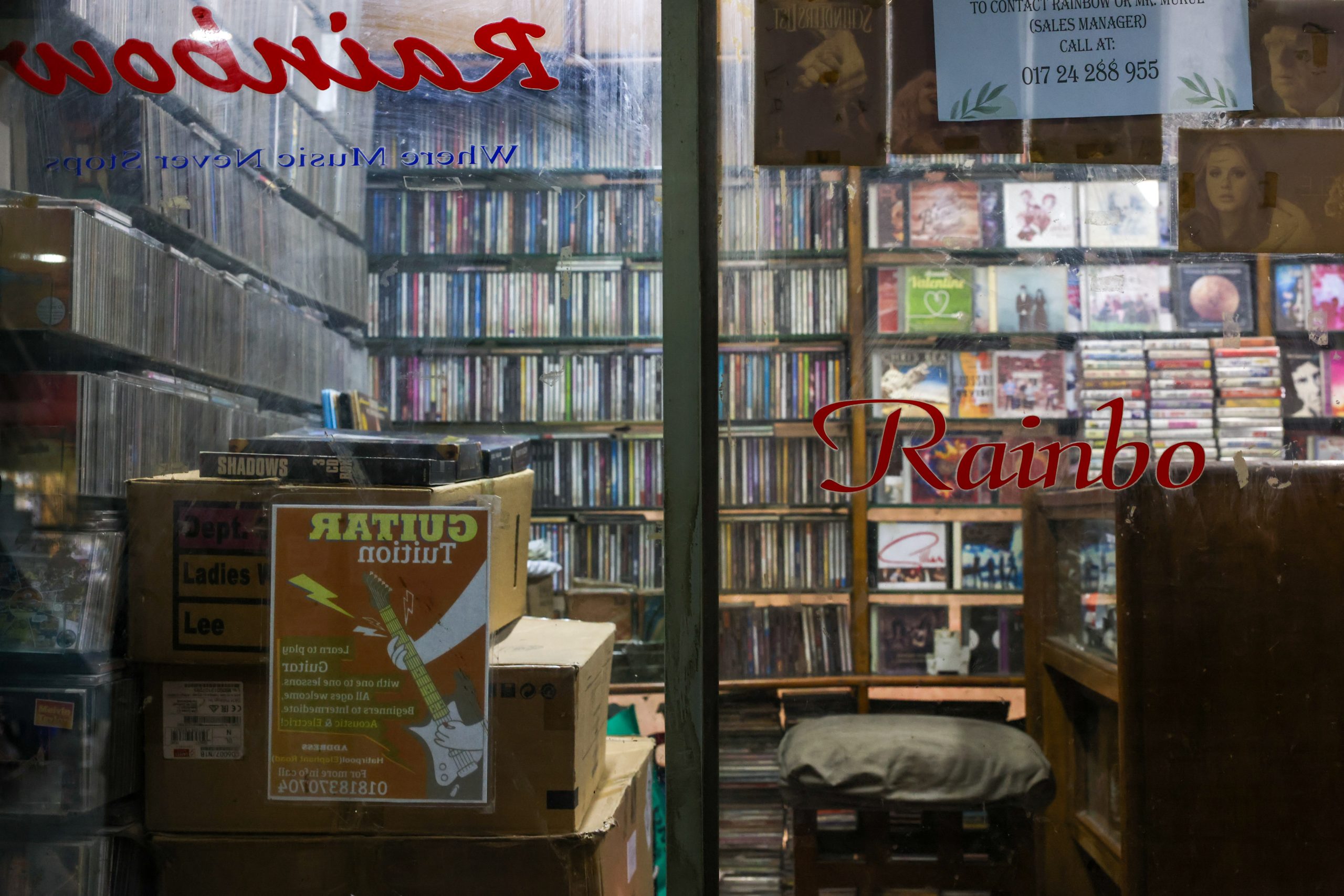
For him, collecting is not simply about listening – it is about preserving something from a particular time. But he is unsure what will happen to his collection after him. He does not know whether someone else will care for the recordings with the same attention, or whether they will eventually be discarded.
His concern reflects a wider problem. Much of Bangladesh’s popular music history remains outside formal archives, scattered among private collectors, old music shops, and personal collections. If those collectors disappear, parts of that history could disappear with them.
A cassette is more than the song recorded on its tape. Its cover, label, track list, artist, record company, and release information can all tell a story about Bangladesh’s music industry and popular culture.
Other countries have begun addressing the problem by combining physical preservation with digitisation. The U.S. Library of Congress, for example, maintains a vast Recorded Sound Collection containing recordings in formats ranging from discs and tapes to cassettes and CDs.
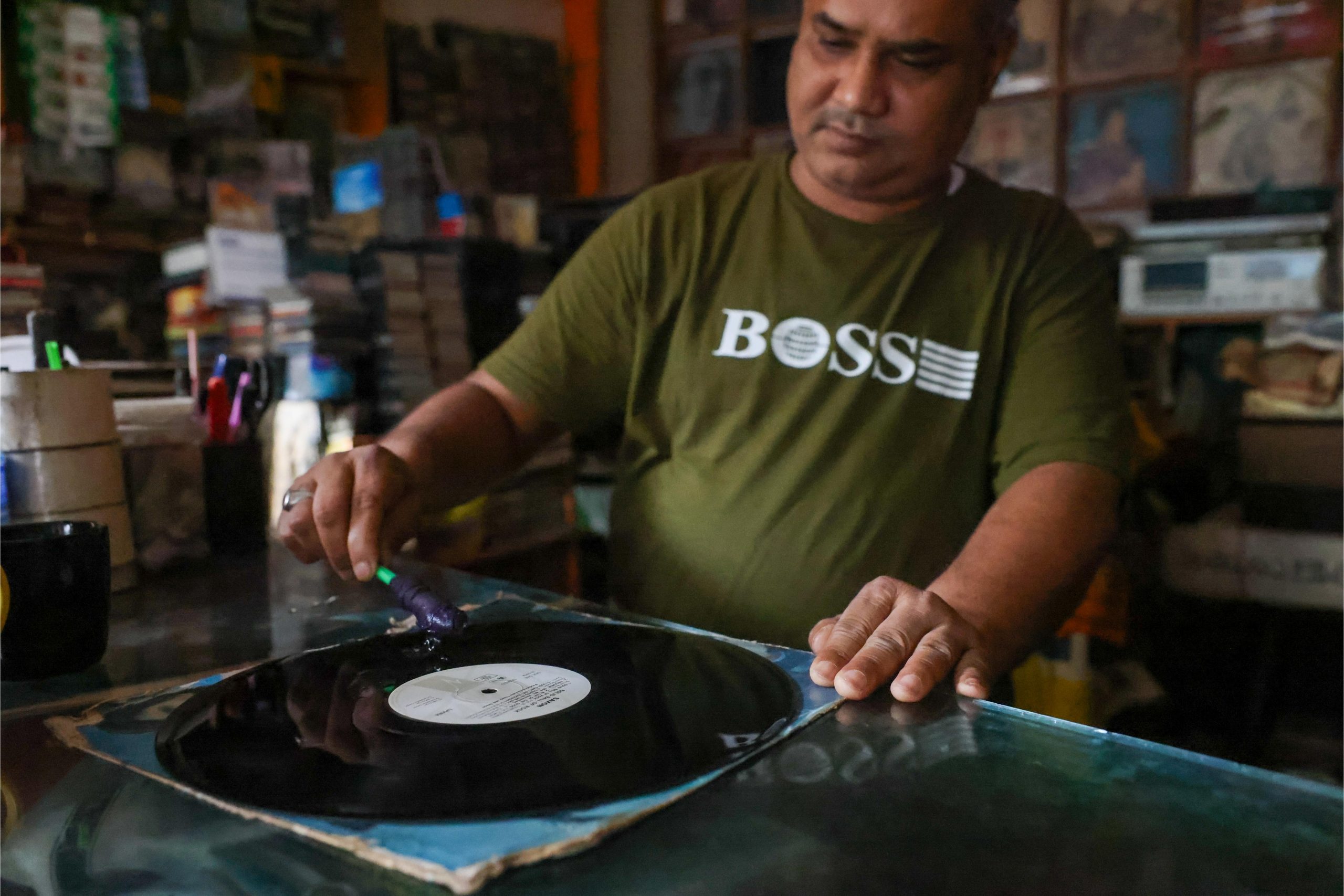
Vulnerable recordings are transferred into high-quality digital formats while the original materials are preserved. The approach recognises a simple reality: tapes deteriorate, CDs can fail, and the machines needed to play older formats may eventually disappear.
UNESCO has similarly promoted the digitisation of endangered audiovisual heritage, emphasising not only the preservation of sound but also the documentation of information about each recording.
For Bangladesh, a similar effort could begin with what already exists.
The collections of surviving cassette shops and private collectors could be catalogued and digitised. Information about artists, albums, labels, release dates, and original formats could be preserved alongside the recordings. Universities, cultural institutions, or a dedicated national sound archive could help build such a repository.
The urgency is increasing. The shops are disappearing. Collectors are getting older. Old playback machines are becoming harder to find. And once a collection is thrown away, recovering it may be impossible. Bangladesh today has easier access to music than ever before.
Almost any song can be streamed instantly. But the physical history of how generations discovered, bought, shared, and listened to that music is quietly disappearing.
Uzzal still opens his shop. Aman still protects his collection. But neither knows who will do it after them. When the last collectors are gone, who will preserve the songs, and the history they carry?