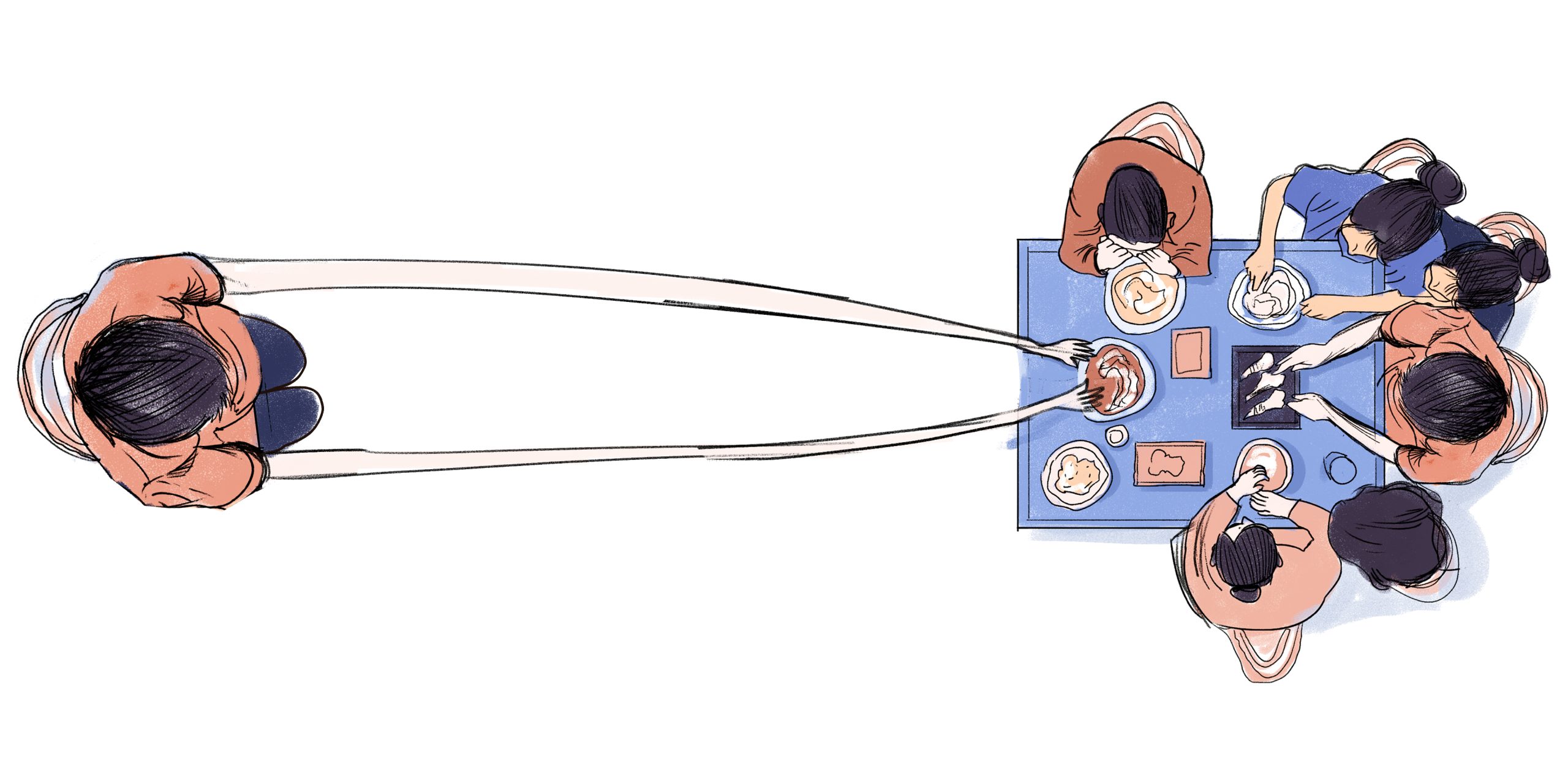

There’s a quiet movement stirring among young people, one that isn’t about being loud or hidden but about simply not belonging in the usual way. The term is “otrovert,” coined by psychiatrist Rami Kaminski to describe those who attend parties and laugh with friends yet still feel emotionally outside the group.
Imagine someone who can speak confidently in a meeting one moment, then step back at a campus mixer the next. Not because they’re shy or anti‑social, but because the group energy simply doesn’t match theirs. That’s the otrovert.
They don’t recharge in the same way as extroverts, nor do they withdraw like typical introverts. What defines them instead is the sense of non‑belonging: they can connect, but the belonging that others feel seems just out of reach.

For youth in Bangladesh, caught between university clubs, group outings, social media trends and peer pressure, this label can feel liberating. Maybe you’ve been that student who joins the circle, nods along, smiles, but inwardly wonders why you don’t feel part of it. Or you’ve said yes to group study sessions but secretly prefer the one‑on‑one chat late at night when the noise dies down. That’s the otrovert experience.




What’s interesting is how this trait is turning into a strength. An otrovert often thinks outside the box, questions the status quo, and prefers depth of connection over sheer numbers. They might skip the loud frat party but deliver work that resonates. And they might still be popular among peers, yet feel a subtle gap between “having friends” and “feeling part of the tribe.”
If you recognise this in yourself, permit yourself not to fit. It’s okay to quietly step out of the group if your heart isn’t in it. Choose two close allies over a crowded social feed. Build your path, not the one mapped by someone else’s idea of belonging.
Because for the otrovert, the gift lies in the not‑belonging in seeing the world sideways rather than head‑on, in forging authenticity instead of clusters. You don’t need to shout or retreat. You just need to be who you are, and there’s true power in that.