


The interim government has approved the July Uprising Protection and Accountability Ordinance, granting indemnity to participants in the July mass uprising.
As a result, no criminal cases can be filed for actions carried out during the student-led protests in July–August 2024 that led to the fall of the Awami League government.
The advisory council approved the ordinance at a meeting on Thursday chaired by Chief Adviser Muhammad Yunus at his office.
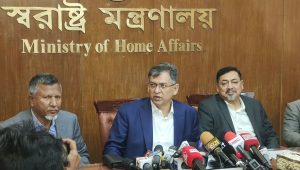
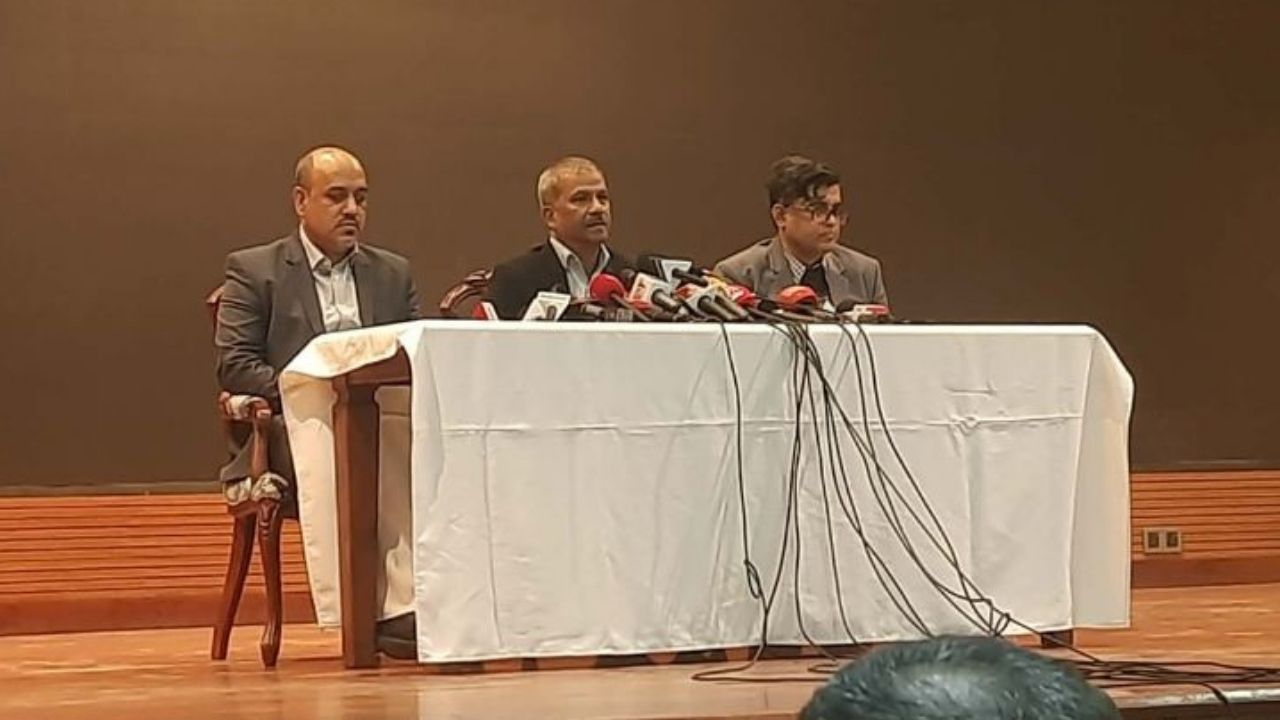
Following the meeting, speaking at a press conference at the Foreign Service Academy, Law Adviser Asif Nazrul said the indemnity would not apply to killings or acts of violence committed under the guise of political resistance for personal or narrow interests.

He said the National Human Rights Commission has been tasked with determining which killings occurred as part of political resistance and which were driven by personal or narrow motives.
The same principle will apply to cases involving police killings or other violent incidents, he added, noting that any killing unrelated to political resistance will fall outside the scope of immunity.
According to the adviser, under the ordinance the government will take initiatives to withdraw criminal cases filed against individuals for actions organised with the objective of political resistance between 1 July and 31 August 2024. No new cases can be filed for such actions.




He explained that “political resistance” refers to activities carried out with the aim of restoring democratic governance through the overthrow of a fascist government.
Asif Nazrul said killings committed out of greed, revenge, or personal interest will not be considered part of political resistance, and legal action will be taken against those responsible.
“If a victim’s family believes their relative was killed for personal reasons and that the incident had no connection to the overthrow of the fascist government, they may apply to the Human Rights Commission,” he said.
“The commission’s investigation report will be treated by the court in the same way as a police investigation report.”
He added that if the Human Rights Commission determines that a killing was part of political resistance but the victim’s family is entitled to financial compensation, the commission will be able to recommend such compensation to the government.
Asif Nazrul said a new Human Rights Commission will be formed by 31 January. It will be the strongest and most effective human rights commission in the country’s history.
He also said that around 20,000 politically motivated harassment cases filed over the past 15 years have already been withdrawn. An initiative is underway to form a separate cell, in coordination with the Ministry of Home Affairs, to examine whether any criminal cases are pending against participants in the July uprising.
The law adviser said that similar provisions for indemnity have been seen in various countries following mass uprisings or revolutions. Article 46 of the Constitution of Bangladesh also allows for the enactment of such laws.
The ordinance will be published in the official gazette within the next seven days, he added.