Europe is once again baking under an intense heatwave, with temperatures climbing above 40 degrees Celsius across several countries.
Authorities are warning that the worst may not yet be over. From Britain to Italy, the scorching conditions have disrupted daily life, strained infrastructure and raised fresh concerns about how the continent is adapting to a warming climate.
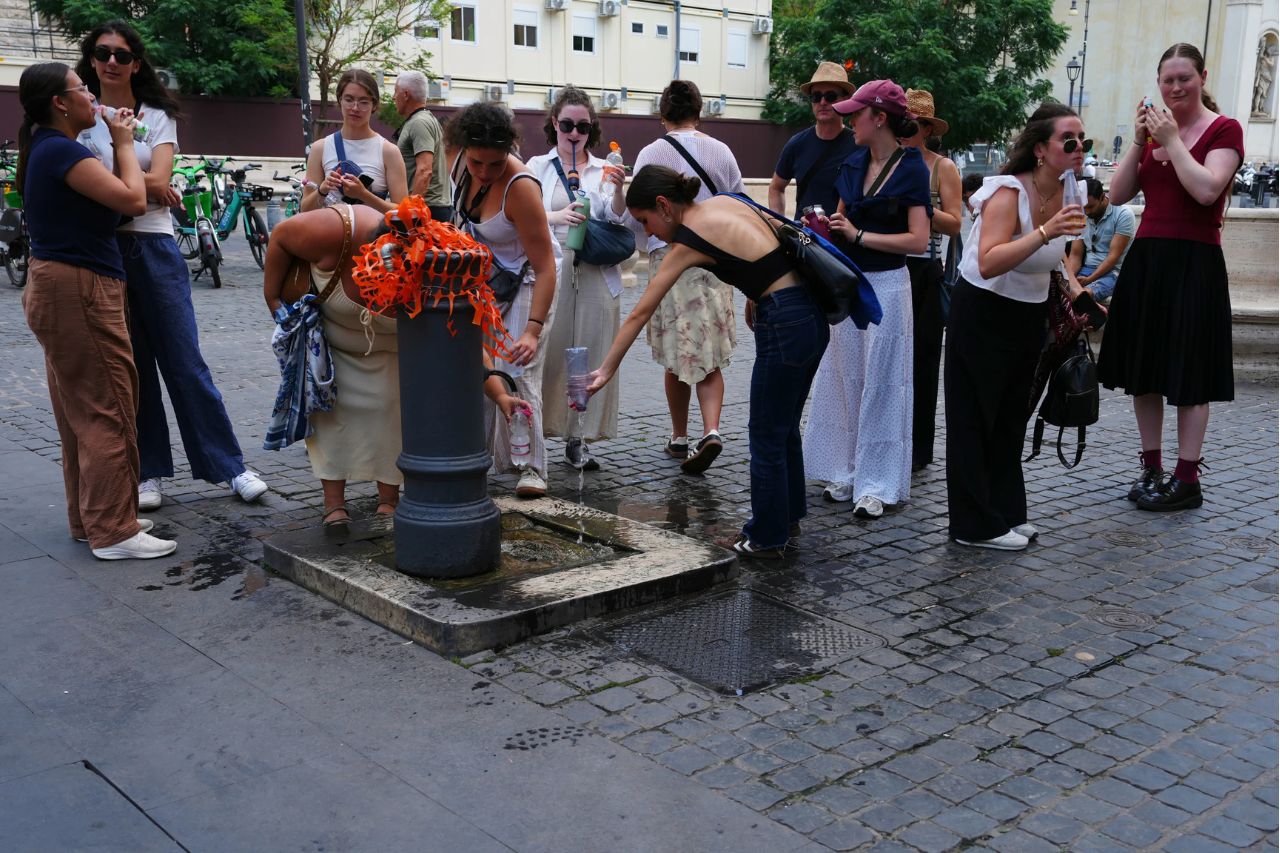
France has been among the hardest hit. The country recorded its hottest June day in nearly eight decades, with temperatures reaching 44.3°C in parts of the southwest.

Thousands of homes experienced power outages as electricity networks came under pressure, while authorities closed schools, restricted access to tourist attractions and urged residents to remain indoors during peak afternoon hours.

Elsewhere, Italy issued its highest-level heat alerts for major cities including Rome, Florence and Milan. Britain, a country where air conditioning remains uncommon, issued only its second-ever extreme heat warning as temperatures approached historic levels.




Rail services faced disruption, schools closed, and health officials warned that even healthy people could be at risk from prolonged exposure. Meteorologists attribute the heatwave to a rare atmospheric pattern known as an “Omega block.”

Named after its resemblance to the Greek letter Ω, the system traps hot air beneath a stubborn area of high pressure, preventing cooler weather from moving in. The result is a prolonged period of intense heat stretching across large parts of Western Europe. The impacts are becoming increasingly visible across the continent.
In France, authorities say at least 40 people have drowned since June 18 while trying to cool off in rivers, lakes and other unsupervised swimming areas during the extreme heat. Two young children also died after being left in a hot vehicle. Spain has reported heatstroke fatalities among elderly residents as temperatures exceeded 40°C in several regions.

Meanwhile, businesses are adjusting to the new reality: construction crews are starting work before dawn, farmers are harvesting grain at night, and retailers in cities such as Paris and London report fans and air conditioners selling out rapidly.
Scientists note that while heatwaves are natural weather events, climate change is making them hotter, longer and more frequent.
Europe is warming faster than the global average, turning what was once considered exceptional summer heat into a recurring reality. This week’s blistering temperatures are not just a weather story; they are another reminder that the continent’s climate future is already arriving.