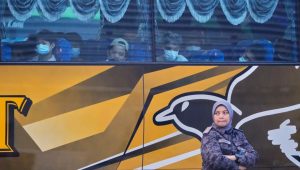
Myanmar’s military government on Sunday pushed ahead with the second leg of its three-stage national election, a process rights groups say is designed to prolong army rule under a civilian veneer.
Polling began at 6am in several townships including Kawhmu, south of commercial hub Yangon, where democracy icon Aung San Suu Kyi once stood for office. Voters trickled in to primary schools and community halls, though the mood remained subdued compared to pre-coup elections.
Speaking to reporters after casting her ballot, 54-year-old farmer Than Than Sint said the country was enduring “many problems”, but voting felt like a responsibility. “We hope for peace for our children,” she said, adding she believed improvements would be gradual.
Military seeks legitimacy through ballot
The ruling junta seized power in February 2021, scrapping the results of the last general election and detaining Suu Kyi and senior members of the National League for Democracy (NLD). The takeover plunged the country into turmoil and sparked a nationwide resistance movement.

After ruling by decree for nearly five years, the generals have promised that the election – scheduled to conclude on 25 January – will return power to elected civilians.
However, last month’s first-phase results showed the military-aligned Union Solidarity and Development Party (USDP) sweeping almost 90% of lower house seats, raising eyebrows at home and abroad.
With the NLD dissolved and Suu Kyi in detention, critics argue the polls are neither free nor inclusive. “People are not interested in this election. It changes nothing about our suffering,” said a Yangon resident, requesting anonymity citing security concerns.



‘Engineered for a foregone outcome’
The first round recorded around 50% turnout, well below the roughly 70% seen in 2020. Large swathes of territory controlled by ethnic armed groups or anti-junta forces are excluded from voting, and authorities accuse rebels of carrying out drone and rocket strikes during the first phase that killed five people.
UN Special Rapporteur Tom Andrews alleged last week that the generals were using the ballot to “entrench military domination” and “produce a facade of legitimacy” while repression continues.
The military has long defended its 2021 coup by insisting the NLD’s last landslide was fraudulent – allegations rejected by independent observers. Parties that won around 90% of seats in 2020 are no longer on the ballot.
Under the 2008 constitution, the armed forces are guaranteed 25% of parliamentary seats regardless of the vote outcome.
Shrinking civic space and ongoing conflict
Rights groups say more than 22,000 people are behind bars on political charges since the coup. Over 330 others are wanted under new laws that criminalise criticism of the polls and street protests, with penalties reaching up to 10 years in prison.
Meanwhile, clashes between the military and anti-coup forces have intensified in several regions, with reports of air strikes and heavy shelling. Voting has been cancelled in dozens of constituencies where rebel groups maintain parallel administrations.
There is no official death toll from Myanmar’s civil conflict, but monitoring group ACLED estimates around 90,000 people have been killed across all sides since 2021.
Junta chief Min Aung Hlaing has not ruled out seeking the presidency once a new government is formed – a move analysts say would cement army influence over the country’s political future for years to come.